Types of Card Tricks: The Main Kinds of Card Magic, Explained
Nov 25, 2026 · The Editors
The main types of card tricks, from predictions and transpositions to the ambitious card and gambling demonstrations: what each kind of effect looks like to an audience.
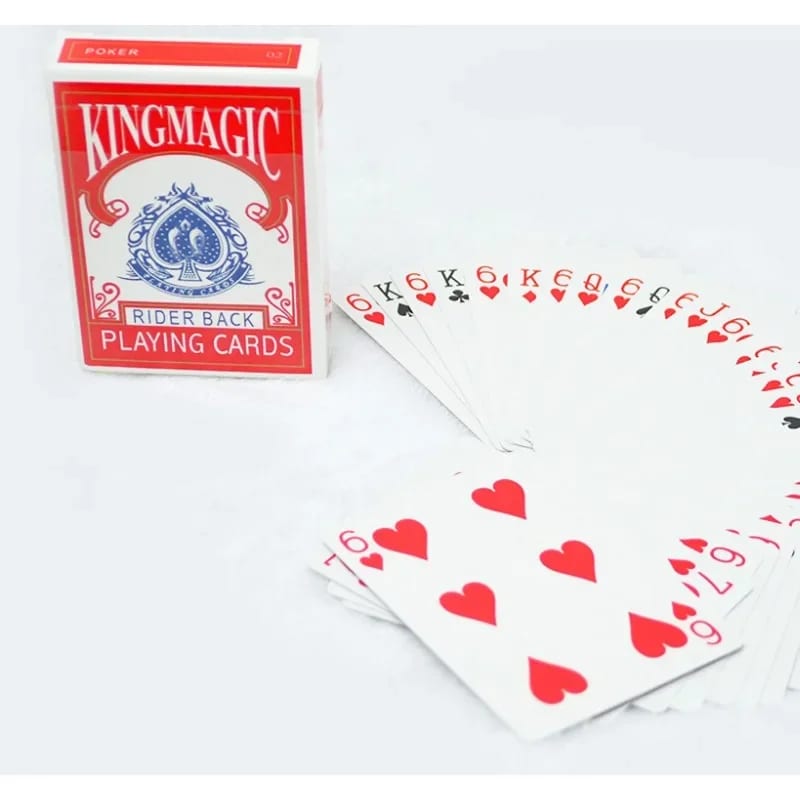
Card tricks fall into a handful of types, sorted by what the audience sees happen: a chosen card is found (discovery), a card is predicted in advance (prediction), cards change places (transposition), a card changes into another (transformation), a card keeps rising to the top (ambitious card), cards appear, vanish or float, and minds seem to be read. Most of the thousands of card tricks in print are variations on these.
This guide is about effects, what a spectator experiences, not about how any trick is done. For the wider picture, see types of magic tricks.
Discoveries: find the chosen card
The classic "pick a card". A spectator chooses a card, loses it in the deck, and the magician finds it: by cutting to it, spelling to it, having it turn face up, or producing it from somewhere impossible. It is the most common type of card trick, and the one most people picture first.
Predictions
Before anything is chosen, the magician writes something down or sets a card aside. At the end, the prediction matches the spectator's free choice. Predictions feel strongest when the spectator does all the handling.
Transpositions
Two cards, or two packets, change places. A card signed by one spectator is found in another's pocket; red and black cards swap piles. The Oil and Water routine, where red and black cards refuse to stay mixed, is a famous relative; see oil and water.
Transformations and colour changes
A card changes into another in full view: the wrong card becomes the right one, or a whole deck changes its back colour. A visible change is one of the most surprising moments in card magic.
The ambitious card
A chosen card is pushed into the middle of the deck and rises to the top, again and again, however it is buried. It is one of the most performed routines in magic; see the ambitious card.
Productions, vanishes and impossible locations
- Productions: cards appear at the fingertips, or the four aces appear one by one.
- Vanishes: a card or a whole deck disappears.
- Impossible locations: the chosen card turns up inside a sealed envelope, a wallet or a box.
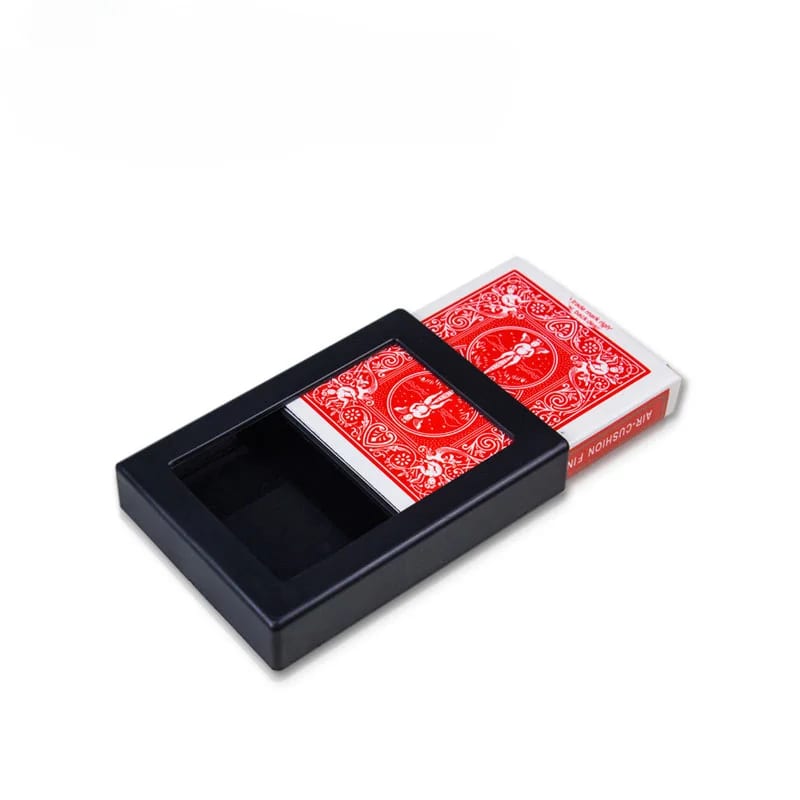
Boxes that make cards vanish or appear are a classic of this kind; see the card box.
Levitations and animations
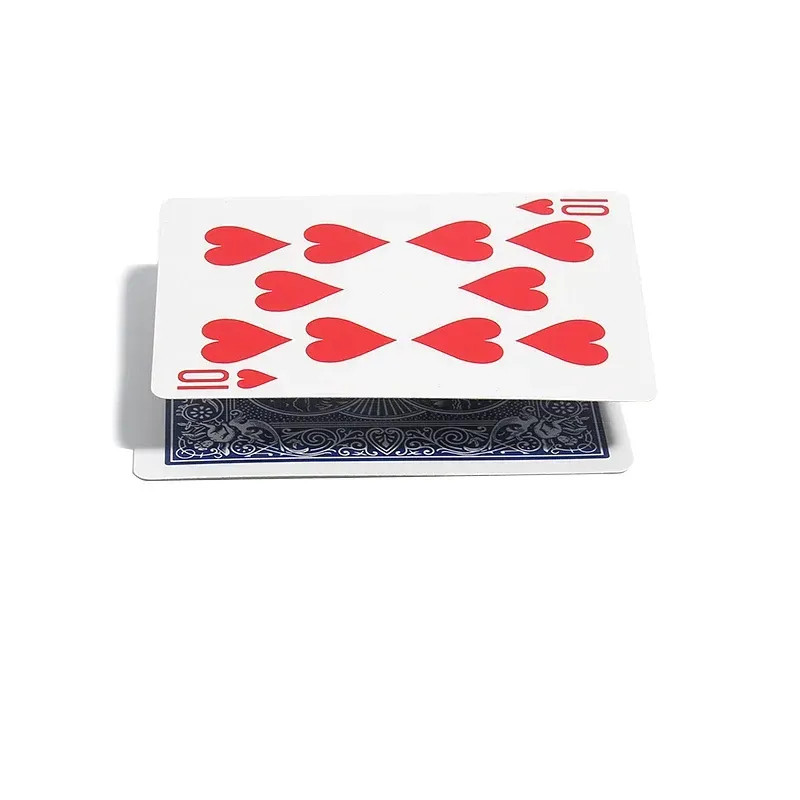
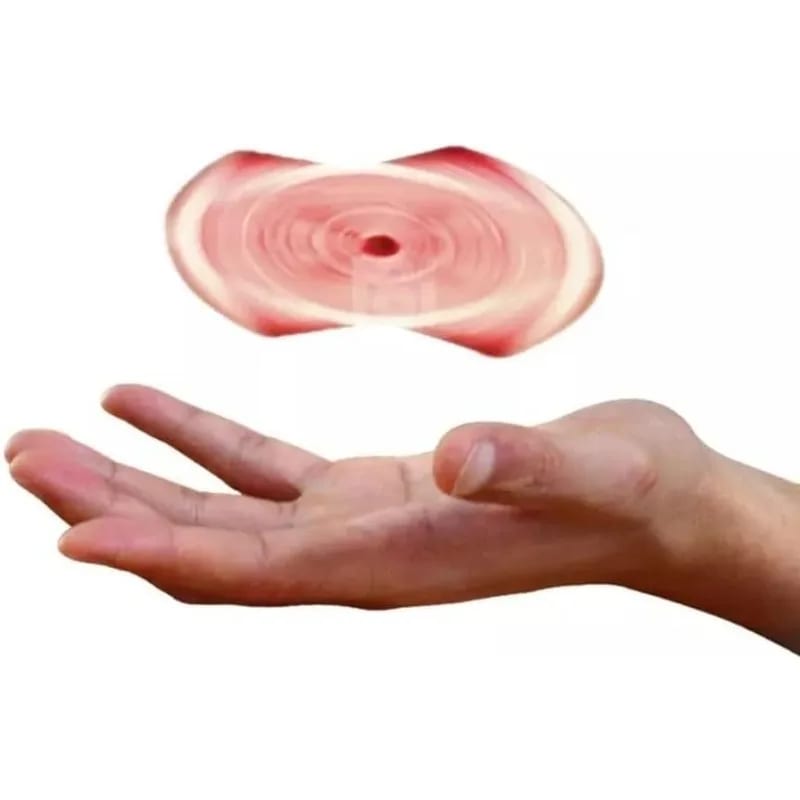
Cards that float, rise from the deck, spin or move by themselves. See the floating card.
Mind reading with cards
Card magic presented as mentalism: the performer names a merely thought-of card, or a spectator separates the deck into red and black by "intuition", as in the famous plot Out of This World. See mentalism vs traditional magic.
Gambling demonstrations
The performer deals himself a royal flush, cuts to the four aces, or finds the winning hand after the deck is shuffled. These play on the cardsharp's reputation and are a favourite for poker nights. Related: Triumph, where a deck shuffled face up and face down rights itself except for the chosen card.
Self-working, sleight of hand and special decks
Card tricks are also sorted by what they demand of the performer:
- Self-working tricks need no special skill, only careful presentation.
- Sleight-of-hand tricks take practice, sometimes years.
- Special decks and gimmicks do some of the work, so a beginner can perform strong effects from the first day.
Many great card magicians, such as Dai Vernon and Cardini, are remembered for making difficult techniques look like nothing at all. Showy flourishes with no trick at all are their own art: see cardistry for beginners.
Where to start
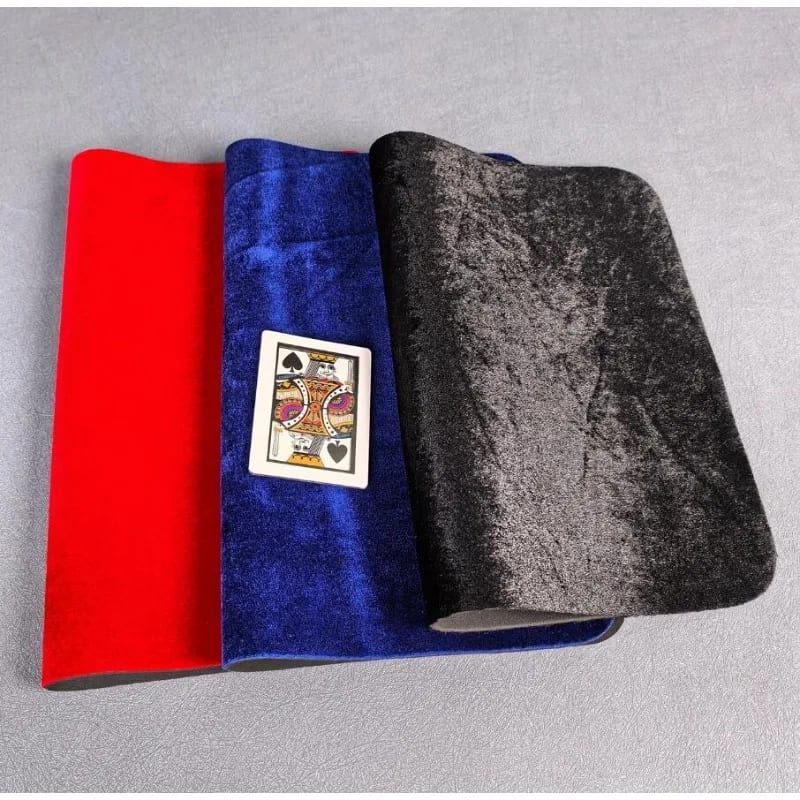
A beginner does best with one strong effect learned well. The Svengali deck performs several kinds of effect above and is where many magicians began. The floating card gimmick and the hummingbird card gimmick cover levitations and animations, and the vanishing card box makes a whole deck disappear and come back. A close-up mat gives every trick a proper stage. More in card magic for beginners.
Frequently asked questions
What are the main types of card tricks?
Discoveries, predictions, transpositions, transformations, the ambitious card, productions and vanishes, levitations, mind reading and gambling demonstrations.
What is the most common type of card trick?
The discovery: a spectator picks a card, loses it in the deck, and the magician finds it.
What is a self-working card trick?
A trick that needs no sleight of hand, only careful presentation, which makes it a good first trick to learn.
What is a gambling demonstration in card magic?
A routine where the performer controls the cards like a cardsharp, for example dealing himself a winning poker hand from a shuffled deck.
Coming soon
Want to learn magic properly?
We're preparing lessons that teach classic tricks step by step, for members. Leave your email and we'll write once, when they open. Nothing else.