Sold out
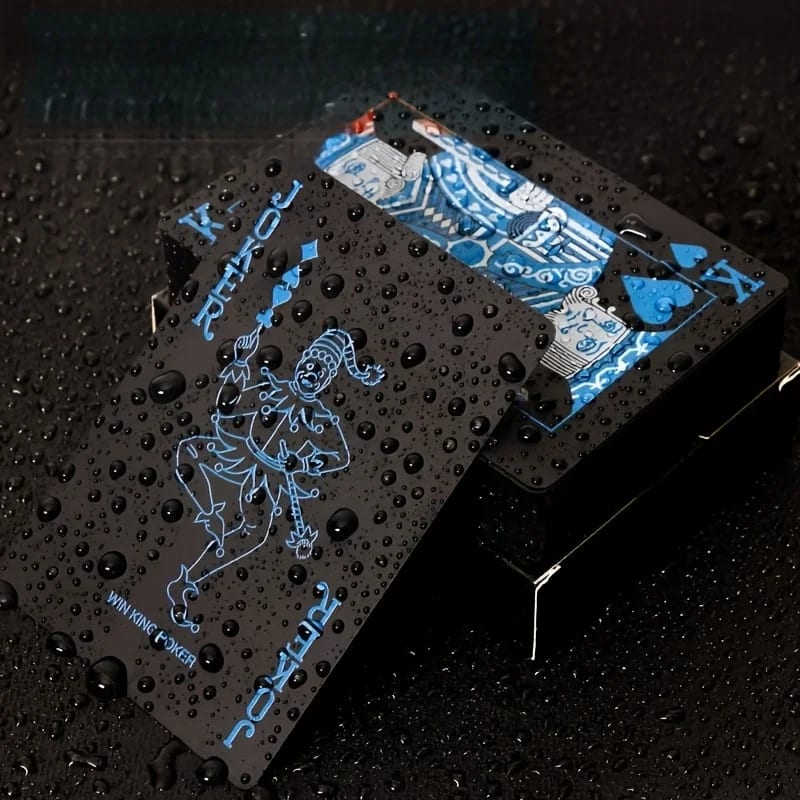
Waterproof Performer Deck
4.9 · 40 bought
$11.99
Red and black cards are mixed together, one by one, in plain view — and separate back into two colours as if they refused to mix.
What they see
A handful of cards, usually four red and four black, are shown and laid out so the colours alternate: red, black, red, black. They are squared up into one small packet.
The packet is spread. The reds are together and the blacks are together.
It is repeated, each time more fairly: the cards are mixed by the spectator, then dealt one at a time onto the table, then mixed face up so every card can be seen going in. The colours keep separating. The title is the whole patter — like oil and water, they will not mix — and the best versions end with the cards separating while the spectator holds them.
Provenance
A classic of the twentieth-century card table rather than of the stage. Its exact origin is disputed, and it would be wrong to name one inventor. What is certain is that a remarkable number of card specialists have worked on it: Ed Marlo alone published many separate handlings, and Roy Walton and others produced well-known versions of their own.
That volume is the reason magicians argue about it. Some consider it the purest test of a card worker's technique; others find the repetition tiresome. Both camps tend to agree that a short version done well is better than a long one done adequately.
Learning it
Intermediate. The packet is small, which helps, but the moves have to be done on a very few cards held in plain sight, which leaves nowhere to hide a hesitation.
Plan on several weeks of daily practice for a three-phase routine. Learn one handling thoroughly before reading about the others; the sheer number of published versions is a trap for a beginner, who can spend months collecting variations instead of learning one.
A good paper deck matters here more than in most tricks. A slippery or stiff deck makes small-packet work harder than it needs to be.
Coming soon
We're preparing lessons that teach classic tricks step by step, for members. Leave your email and we'll write once, when they open. Nothing else.
What you need
Next
Card Effect
A spectator deals cards face down into two piles, guessing red or black for each without looking — and gets every single one right.
Card Effect
A signed card is pushed into the middle of the deck and keeps arriving back on top — again, and again, under closer and closer conditions.
Card Effect
Half the deck is turned face up and shuffled into the other half. A snap, and every card rights itself — except the one the spectator chose.