Cardistry for Beginners: The First Moves to Learn
Nov 7, 2026 · The Editors
Cardistry for beginners: what cardistry is, the first moves to learn — the Charlier cut, the swing cut, the thumb fan and the spring — how to practise, and how to choose a deck.

Cardistry is the art of moving a deck of cards beautifully: cutting, spinning, fanning and displaying packets in patterns that look impossible. It is not magic — nothing vanishes and nobody picks a card. It grew out of the flourishes magicians used between tricks and has become a hobby of its own, with its own decks, videos and competitions.
These are the first moves to learn, roughly in order.
1. The Charlier cut (one-handed cut)
The classic one-handed cut, and the first flourish most people learn.
- Hold the deck in your right hand from above, with your thumb on one long side and your middle, ring and little fingers on the other. Your index finger curls underneath.
- Let the bottom half drop from your thumb's side, so the deck splits in two like an open book.
- Push the bottom half up with your index finger, so it rises past the top half.
- Let the top half fall onto your palm, then let the original bottom half settle on top of it.
The deck is cut. Practise over a bed or a sofa — you will drop it.
2. The swing cut
A two-handed cut that is the building block for dozens of moves.
- Hold the deck in your right hand from above: thumb at the near end, fingers at the far end.
- Lift the top half with your index finger and swing it to the left, pivoting on your thumb.
- Catch it in your left hand between thumb and fingers.
You now have a packet in each hand — the start position for most two-handed cuts.
3. The thumb fan
A smooth half-circle of cards, fanned with one sweep of the thumb. Step-by-step instructions.
4. The spring
The flashy one: cards shooting from one hand to the other in an arc.
- Hold the deck in your right hand by its ends: thumb on one end, fingers on the other.
- Squeeze so the cards bow towards your palm.
- Let them slip off your fingertips one by one, towards your left hand held a short distance away.
Start with the hands nearly touching and widen the gap slowly. Expect cards on the floor for a week.
After these: the Sybil
Once the Charlier and the swing cut are reliable, most beginners learn the Sybil — a cut that splits the deck into five packets held between the fingers in a frame, then reassembles them. It is the move that makes people stop and stare, and it is built entirely from the moves above.
How to practise
- Ten minutes a day beats an hour once a week. Cardistry is muscle memory.
- Watch your hands in a mirror, or film yourself — that is what an audience sees.
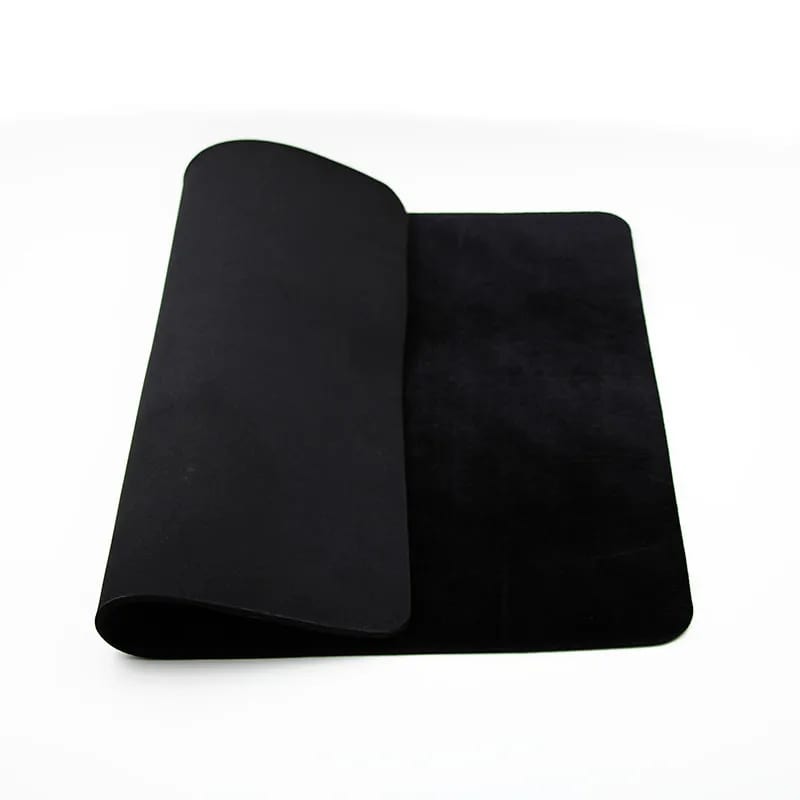
- Practise over something soft. A card mat on the table saves your deck and your patience.
- Learn one move until it is smooth before starting the next.
Choosing a deck
The deck matters more than you would think.
- Cardists prefer thin, smooth paper decks. They are lighter and spring and fan easily. Plastic and foil decks are heavier and stiffer, which makes springs and fast cuts harder, though they are fine for fans and simple cuts.
- Use a deck you do not mind wearing out for practice. Cardistry is hard on cards.
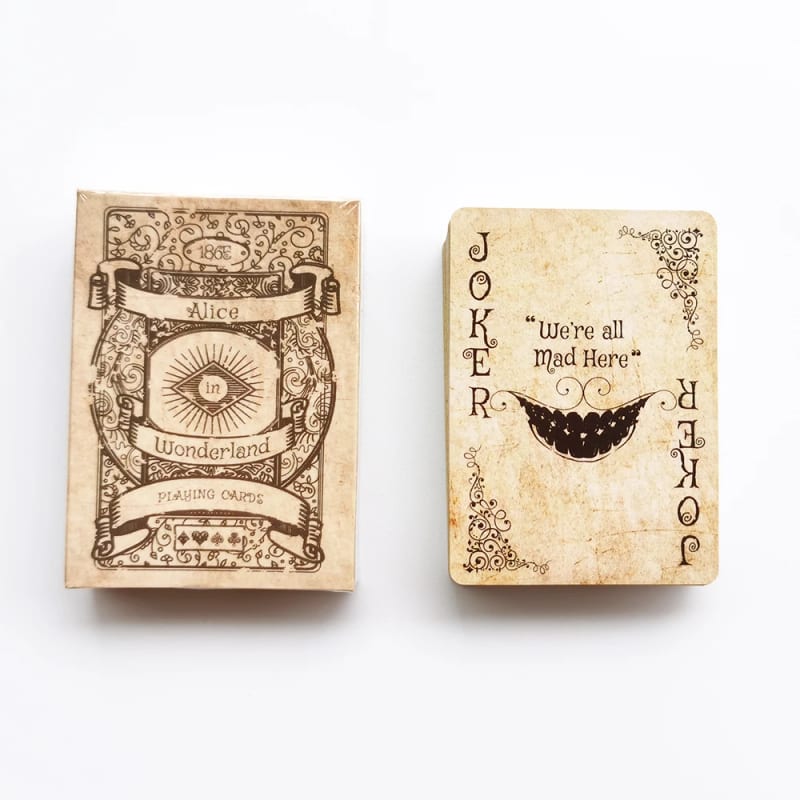
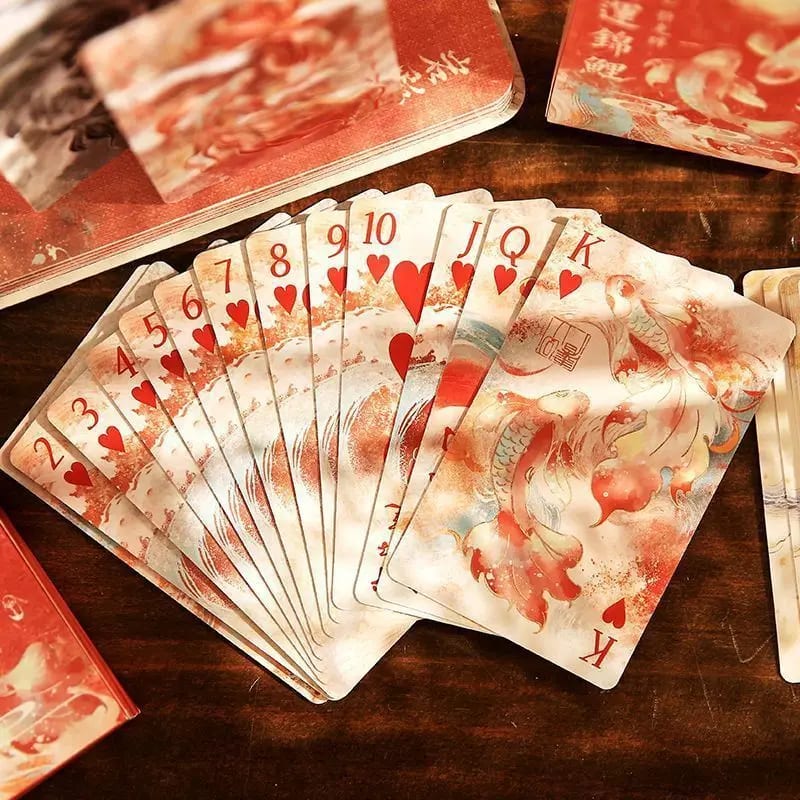
- Keep a beautiful deck for showing off. Cardistry is about how a deck looks in motion: bold, high-contrast backs and courts with character — skulls, storybook figures, Chinese koi — make every cut look better.