Card Magic for Beginners: Where to Start with a Deck
Nov 8, 2026 · The Editors
Card magic for beginners: self-working tricks, trick decks and sleight of hand, the classic card effects as an audience sees them, the books every card magician reads, what deck to use, and card magic's great names.
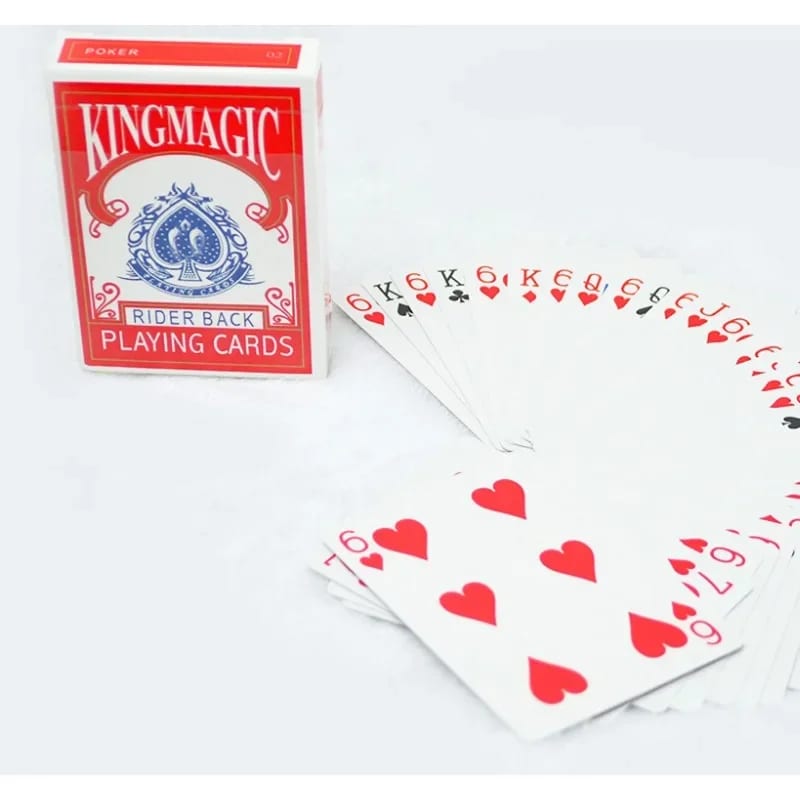
Card magic is the largest branch of magic. Everyone recognises a deck of cards, everyone has seen a card trick, and a deck goes everywhere — which makes a truly baffling card trick one of the most powerful things a magician can do.
Three ways in
Card magic divides roughly three ways, and beginners can start with any of them.
1. Self-working tricks. Tricks that work by mathematics or by the arrangement of the deck, with no sleight of hand. They are where most people begin, and some are strong enough that professionals still use them.
2. Trick decks. Specially made decks that do some of the work for you. The [Svengali deck](/effects/svengali-deck) is the classic: it makes it possible to force a card and to perform a whole series of effects within an hour of opening it. The [stripper deck](/effects/stripper-deck) is the natural second. Trick decks let a beginner concentrate on presentation from day one.
3. Sleight of hand. Control, forces, false shuffles and colour changes performed with an ordinary deck. This is the deep end — years of practice — and the heart of card magic for serious performers.
The classic card effects
As the audience sees them:
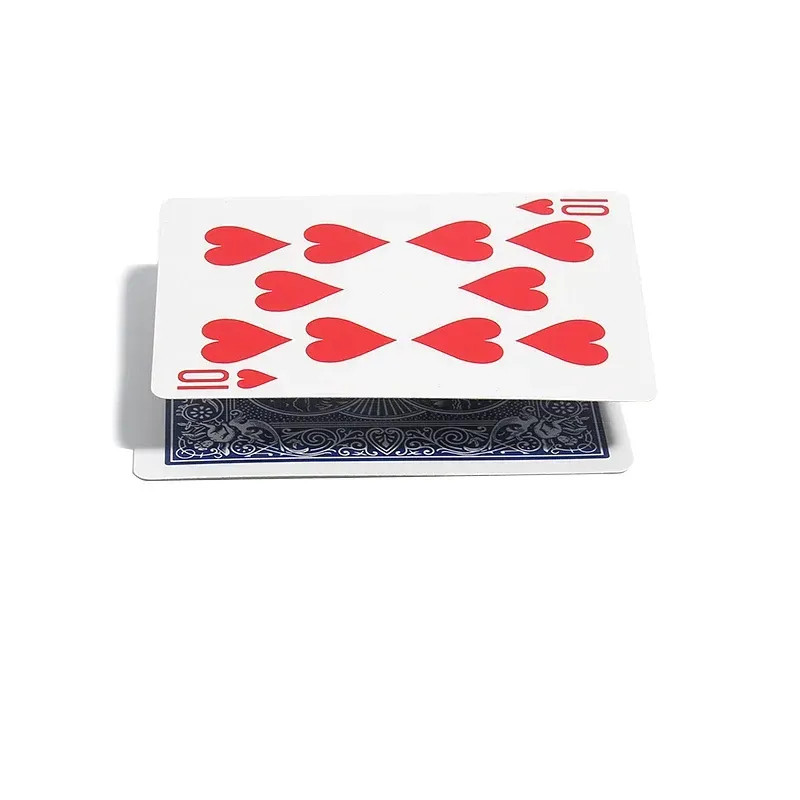
- Pick a card — a freely chosen card is found, named or revealed in an impossible way.
- The ambitious card — a signed card placed in the middle of the deck keeps rising to the top.
- Card to impossible location — the chosen card turns up in a wallet, a sealed envelope, a shoe.
- The rising card — a card rises out of the deck on its own.
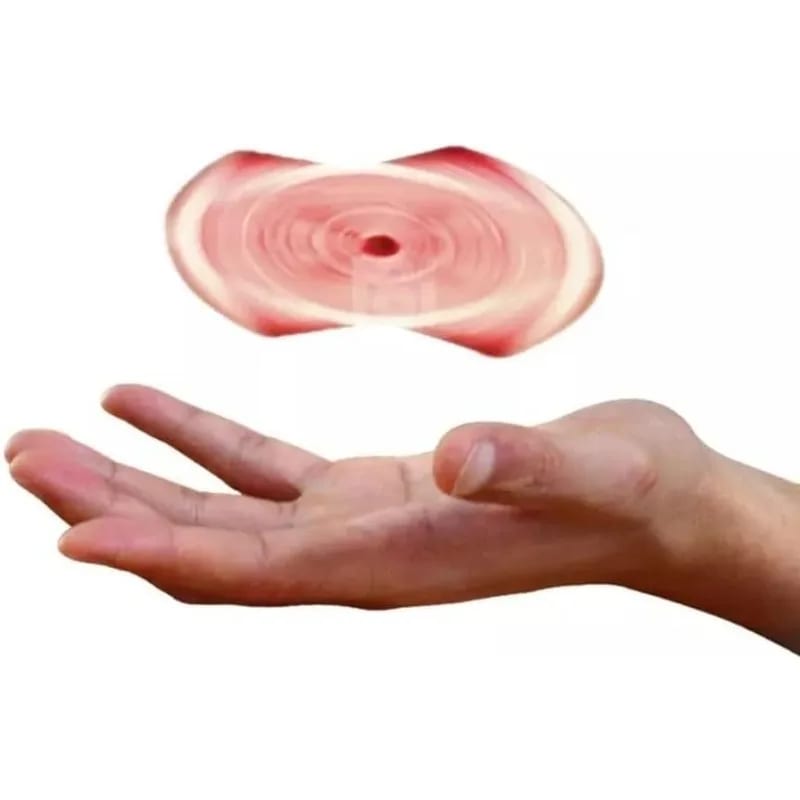
- The floating card — a card hovers over the hand. Floating card.
- Triumph — face-up and face-down cards are shuffled together, and the whole deck rights itself except the chosen card.
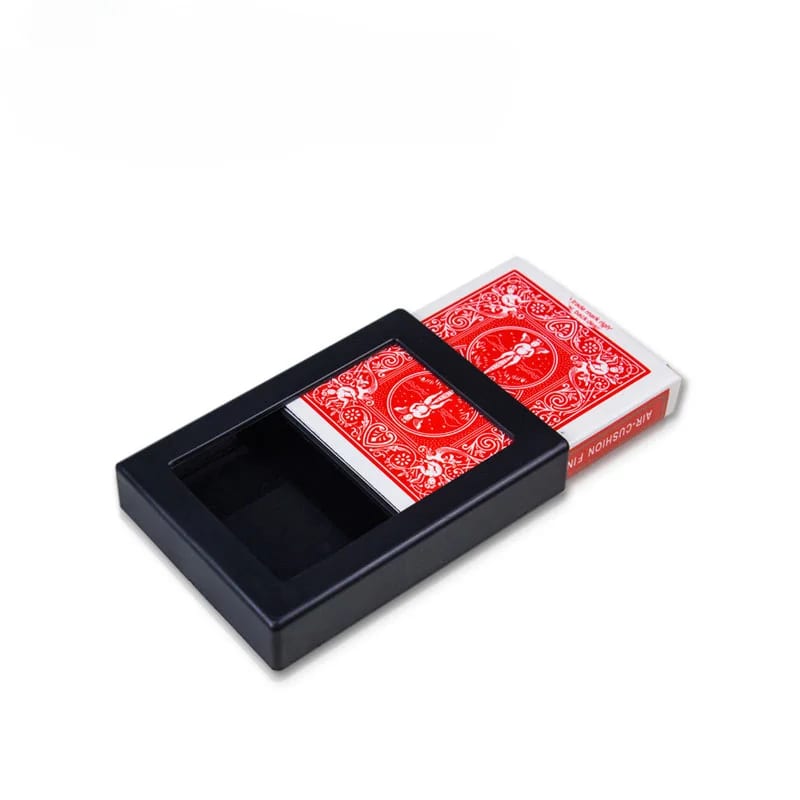
- Card box vanish — a card vanishes from a small box and reappears elsewhere. Card box.
The books every card magician reads
- *The Royal Road to Card Magic* (Hugard and Braue, 1948) — the classic beginner's course.
- *The Expert at the Card Table* (S. W. Erdnase, 1902) — the most famous book on card sleights ever written, by an author whose identity is still debated.
- The writings of Dai Vernon, the twentieth century's most influential card magician.
What deck to use
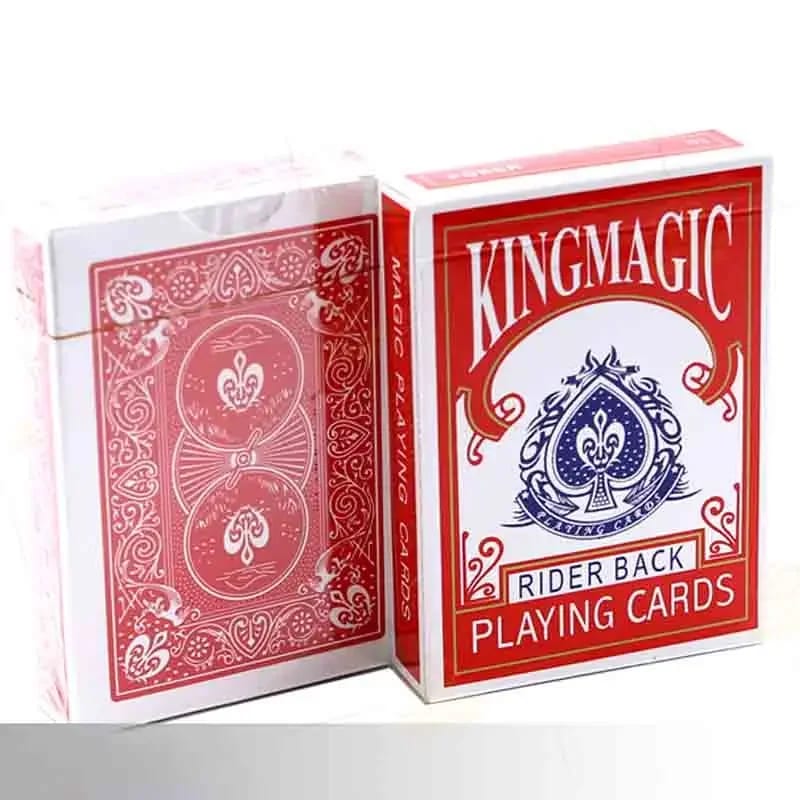
- A standard poker-size deck with a classic back — the deck every card trick is designed for.
- A fresh deck. Old, sticky cards make everything harder.
- Several decks. Card magicians go through them fast.
Collectible and themed decks are wonderful for display and cardistry, but ordinary-looking decks are best for performing: a strange deck invites suspicion. Cardistry for beginners.
Card magic's great names
Dai Vernon, who fooled Houdini with a card trick; Ed Marlo, who invented hundreds of card techniques; Ricky Jay, scholar and sleight-of-hand master; and today's close-up stars on television and in Las Vegas. Famous magicians.
Where to start
Learn two or three self-working tricks and one trick deck routine this week. Perform them for friends. Then pick up The Royal Road and start learning the moves, slowly. Magic tips for beginners.