Dai Vernon
1894–1992 · Canada

Canadian-born sleight-of-hand artist known as the Professor, who famously fooled Houdini and shaped modern close-up magic, including the card trick Triumph and an influential cups and balls routine.
From the shop
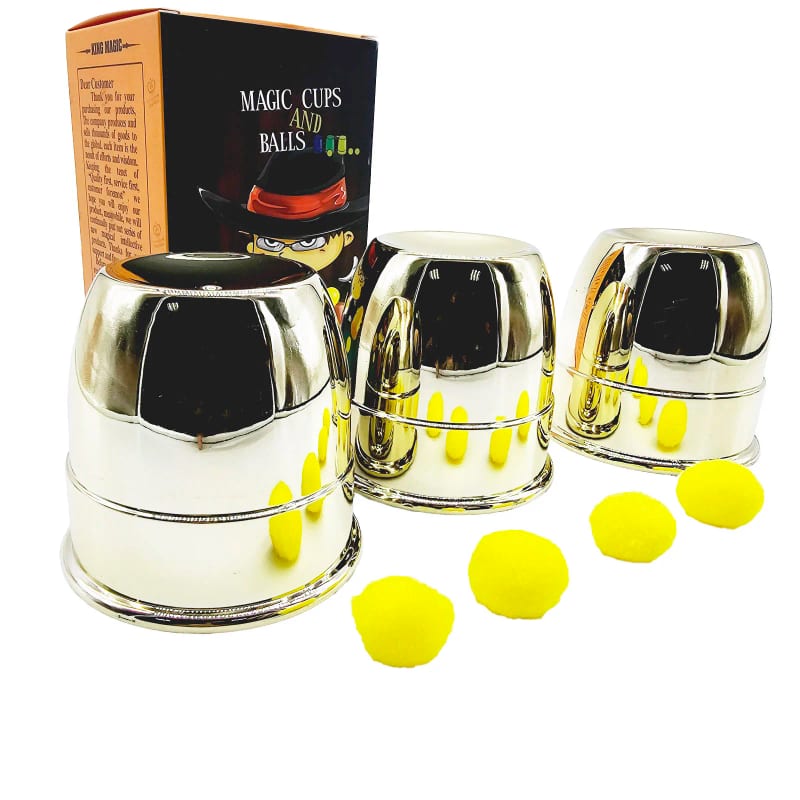
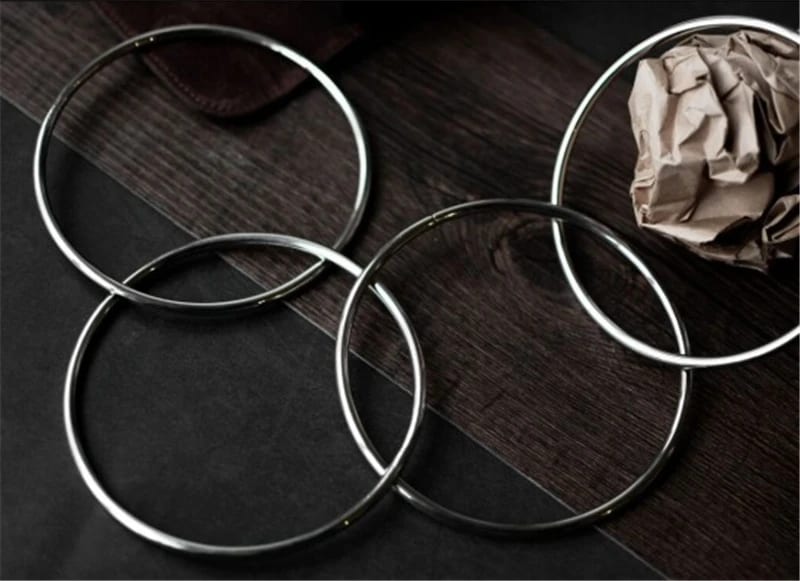

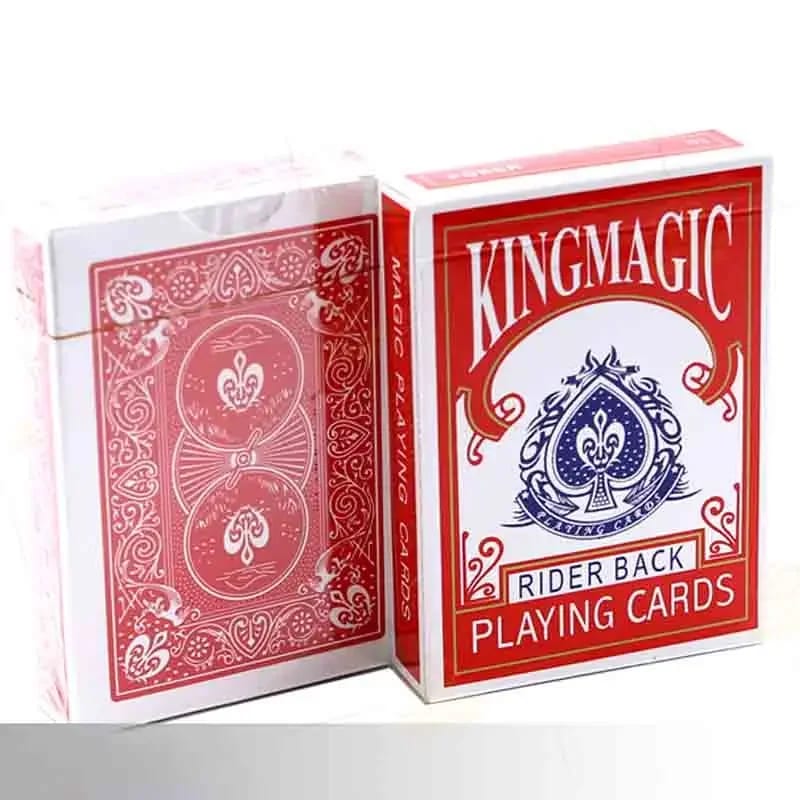
Dai Vernon (1894–1992) was a Canadian-born magician, known to other magicians as the Professor, who did more than anyone in the twentieth century to shape modern close-up and card magic. He is famous for fooling Harry Houdini and for routines such as Triumph and his cups and balls.
Early life
He was born David Frederick Wingfield Verner in Ottawa on 11 June 1894. He took up magic as a boy and is said to have learned from the 1902 book The Expert at the Card Table, which he studied closely. The name Dai is usually explained as a misprint of Dave in an early newspaper notice, which he then kept; Verner became Vernon on stage.
In New York in the 1910s and 1920s he mixed with the best card handlers of the day while earning much of his living as a silhouette cutter, snipping profiles out of black paper for customers.
The man who fooled Houdini
Harry Houdini boasted that he could work out any card trick if he saw it three times. The story usually dated to 1922, in Chicago, is that Vernon showed him a version of the ambitious card, with a signed card returning to the top of the deck, again and again, and Houdini could not explain it. Vernon was billed for years afterwards as the man who fooled Houdini.
The Professor's work
Vernon was rarely a star of big theatres. His influence came through the magicians who watched him and the books written from his teaching, among them the Stars of Magic series of the 1940s and The Dai Vernon Book of Magic (1957), written by Lewis Ganson.
His central idea was naturalness: magic should look like nothing more than ordinary handling, with no visible effort. Pieces strongly linked to him include:
- Triumph, in which a shuffled mix of face-up and face-down cards rights itself, all except the spectator's card
- a cups and balls routine that many professionals still build on
- a linking rings routine for close audiences
He also worked with and learned from Max Malini, and he spent years searching America for gamblers and card experts whose skill he had heard about.
The Magic Castle years
From the 1960s he lived in Los Angeles and was a fixture at the Magic Castle, the Hollywood club of the Academy of Magical Arts, where young magicians came to show him their work and hear his opinion. He held court there almost until his death on 21 August 1992, at the age of 98. For more on close-up work, see close-up magic and card magic for beginners.
Frequently asked questions
Who was Dai Vernon?
A Canadian-born magician (1894–1992), known as the Professor, whose ideas about natural handling shaped modern close-up and card magic.
How did Dai Vernon fool Houdini?
He showed Houdini a version of the ambitious card several times in a row, and Houdini could not explain it. Vernon never published every detail of that performance.
What is Dai Vernon's Triumph?
A card trick in which a deck shuffled face up into face down rights itself, leaving only the spectator's chosen card reversed. It is usually credited to Vernon and first appeared in print in the 1940s.
What books did Dai Vernon write?
His teaching appears in the Stars of Magic series, The Dai Vernon Book of Magic and several later collections written with or about him.
Coming soon
Want to learn magic properly?
We're preparing lessons that teach classic tricks step by step, for members. Leave your email and we'll write once, when they open. Nothing else.