Sold out
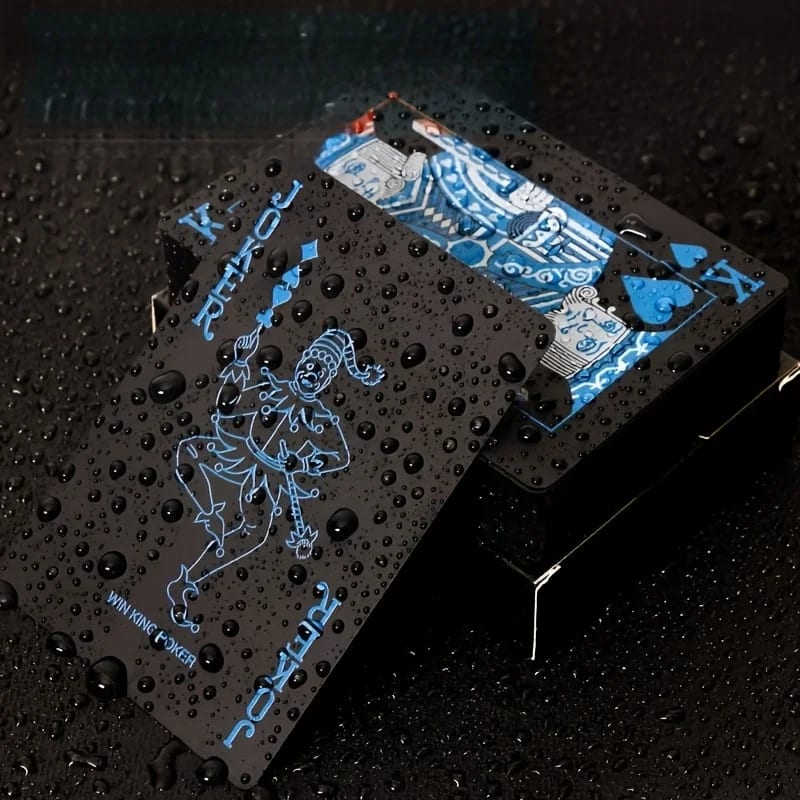
Waterproof Performer Deck
4.9 · 40 bought
$11.99
Half the deck is turned face up and shuffled into the other half. A snap, and every card rights itself — except the one the spectator chose.
What they see
A spectator chooses a card and loses it in the deck. The performer then makes a mess on purpose: half the deck is turned face up and shuffled into the other half, so that face-up and face-down cards are visibly mixed all the way through. The spread proves it.
The deck is squared, tapped once, and spread across the table. Every card is face down — except one, face up in the middle.
It is the chosen card.
What makes it land is that the audience saw the mess happen and could have described it. Nothing is hidden at the point that matters, and the shuffle looks exactly like the kind of shuffle that cannot be undone.
Provenance
Dai Vernon's routine, published under the name Triumph in the Stars of Magic series in the 1940s, is the version the plot is named after. Vernon himself acknowledged that the idea of face-up and face-down cards righting themselves had earlier roots, and magic historians point to nineteenth-century ancestors.
The name stuck, and "Triumph" is now used as the generic title for the whole plot. Card magicians have devised a great many versions since, from easy ones to some that are very hard indeed, and it remains one of the routines every serious card worker is expected to know.
Learning it
Intermediate to advanced, depending entirely on the version. Some handlings are within reach of a beginner after a few weeks; the classic shuffle-based versions take considerably longer to do convincingly.
The hard part is not the finish but the middle: the face-up and face-down mixing must look as careless as an ordinary shuffle, and that look only comes after a lot of repetition.
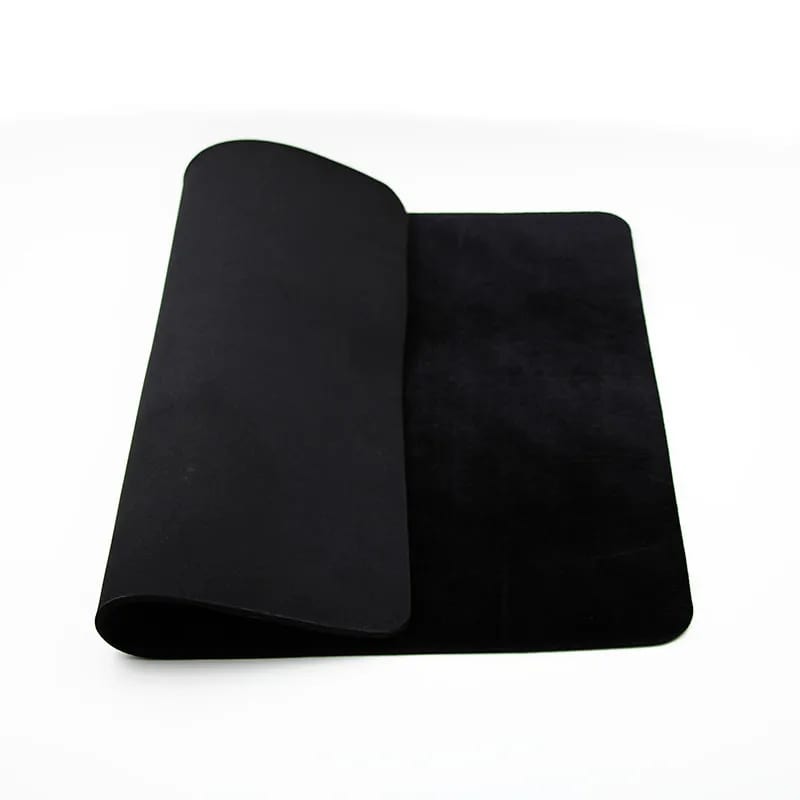
It is a sleight-of-hand routine with no special deck. A plain paper deck and a soft working surface are all it needs.
Coming soon
We're preparing lessons that teach classic tricks step by step, for members. Leave your email and we'll write once, when they open. Nothing else.
What you need
Next
Card Effect
A signed card is pushed into the middle of the deck and keeps arriving back on top — again, and again, under closer and closer conditions.
Card Effect
Red and black cards are mixed together, one by one, in plain view — and separate back into two colours as if they refused to mix.
Card Effect
A spectator deals cards face down into two piles, guessing red or black for each without looking — and gets every single one right.