Types of Magic Tricks: The 8 Main Effects and Styles of Magic
Nov 13, 2026 · The Editors
The types of magic tricks explained: the eight main effects magicians perform — production, vanish, transformation, transposition, restoration, penetration, levitation and prediction — and the styles from close-up to stage.
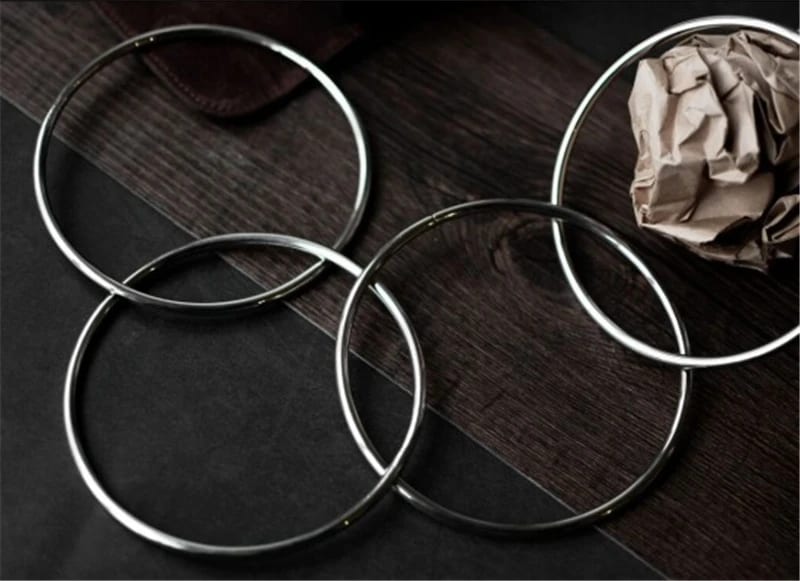
Most magic tricks fall into eight types of effect: production (something appears), vanish (something disappears), transformation (something changes), transposition (something moves invisibly), restoration (something destroyed is made whole), penetration (solid passes through solid), levitation (something floats) and prediction or mind-reading. Magicians have sorted tricks this way for over a century, because what the audience sees matters more than how it is done.
The 8 types of magic tricks
| Type | What the audience sees | Classic example |
|---|---|---|
| Production | Something appears from nothing | A dove from an empty pan |
| Vanish | Something disappears | A coin vanishes from the hand |
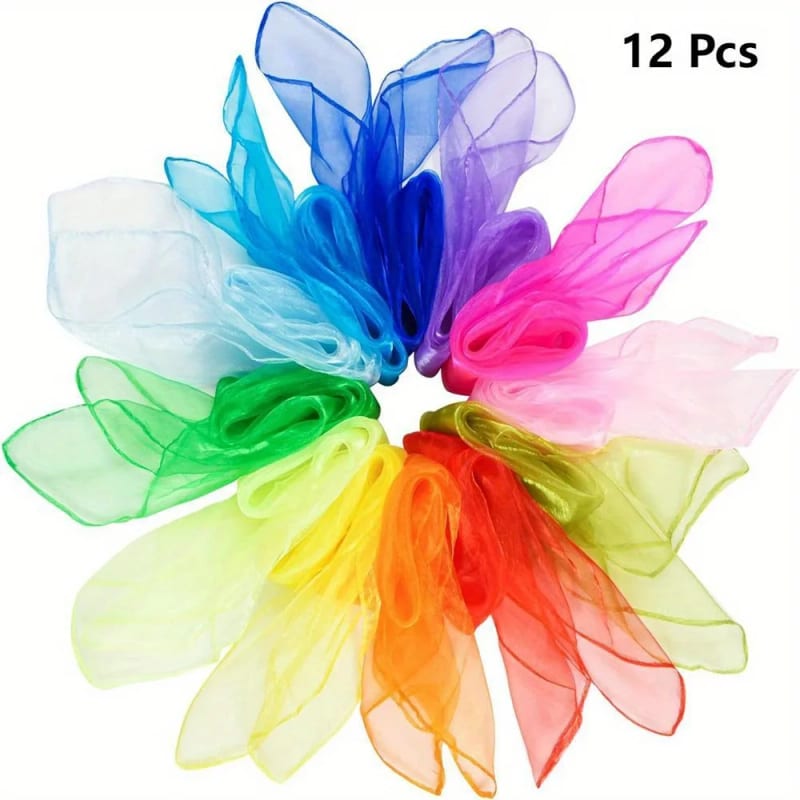
| Transformation | One thing becomes another | A silk changes colour |
| Transposition | Two things change places | Coins travel from hand to hand |
| Restoration | Something destroyed is restored | A cut rope made whole |
| Penetration | Solid through solid | Steel rings link together |
| Levitation | Something floats | A card hovers in the air |
| Prediction / mentalism | The performer knows what they cannot know | A thought-of card revealed |
Some lists add escape and invulnerability, and others merge transposition and transformation. The idea is the same: an effect is described from the audience's side.
Productions and vanishes
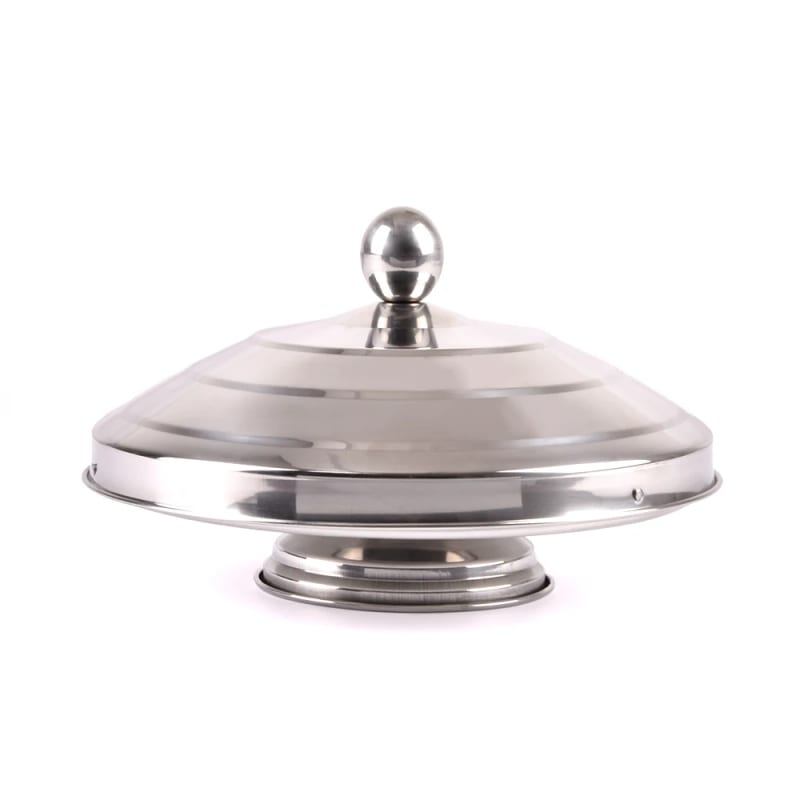
The oldest and simplest effects. A production is the classic magician's image: a rabbit from a hat, flowers from a cane, a dove from a pan. A vanish is its mirror. See the dove pan and the history of pulling a rabbit out of a hat.
Restorations and penetrations
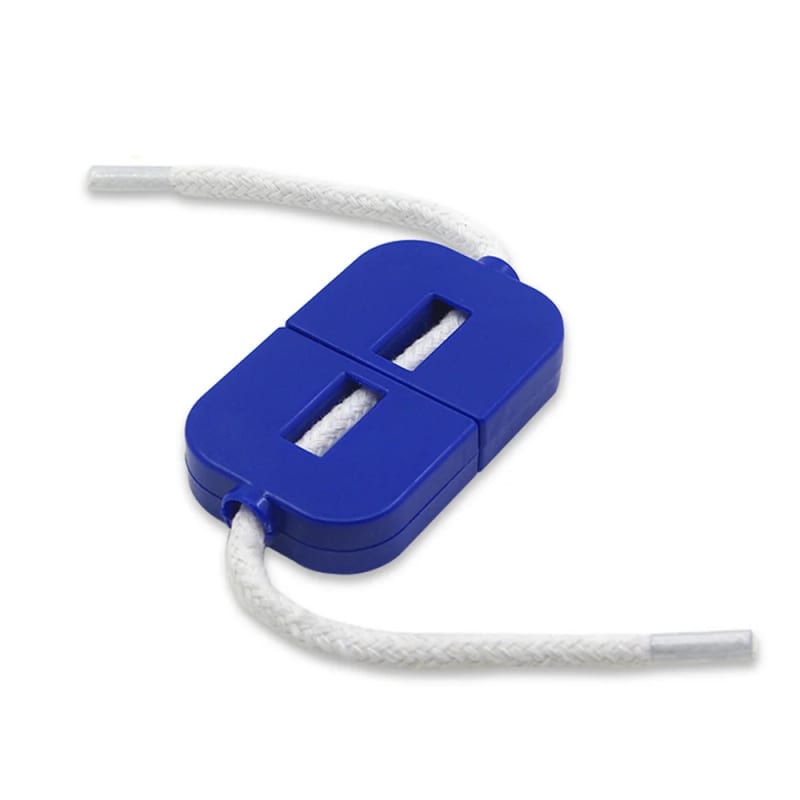
Two of the most visual effects. The cut and restored rope is cut in the middle and shown whole again; the linking rings pass solid steel through solid steel. Both are centuries old and still in every working magician's act. See the linking rings.
Transformations, transpositions and levitations
A transformation turns one object into another, often in full view. Transpositions — coins across, cards changing places — are the backbone of close-up magic. Levitations range from a floating card on a table to a person on stage.
Mentalism
Prediction, mind-reading and influence form a whole branch of magic called mentalism. The effect is not that something impossible happens to an object, but that the performer knows something they could not. See mentalism vs traditional magic.
Styles of magic
Effects are one way to sort magic; the setting is the other:
- Close-up magic — at a table or in the hand, a few feet from the audience: coins, cards, cups and balls.
- Parlour magic — for a room of people: ropes, silks, rings, small props seen from across a room.
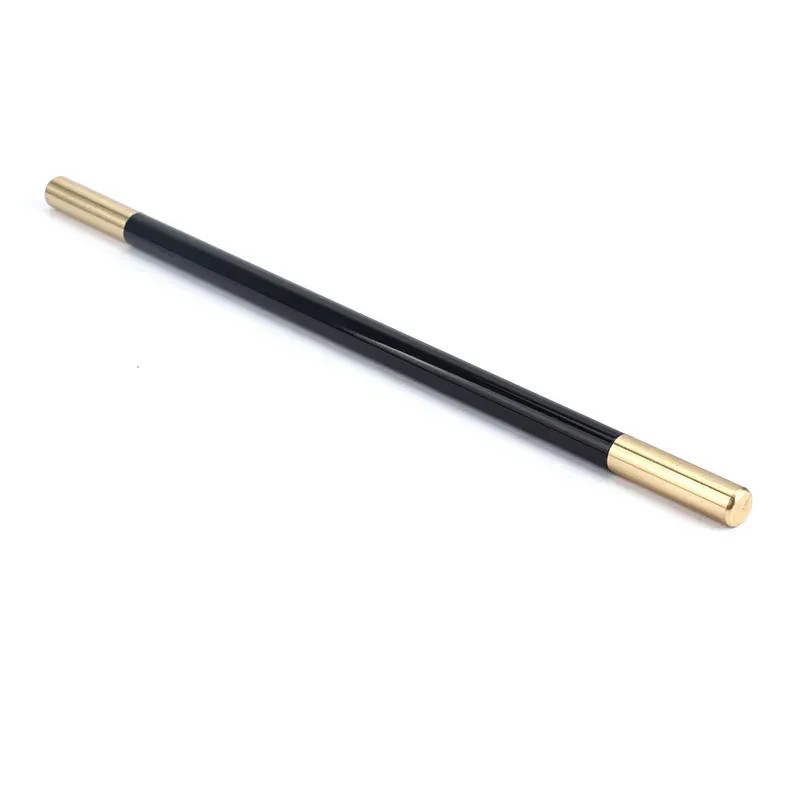
- Stage magic — for a theatre: large productions, illusions, doves, canes.
- Street magic — performed on the spot to passers-by.
- Mentalism — performed in any setting.
Most magicians start with close-up or parlour magic, because the props are small and the audience is close. See best magic tricks for beginners.
Frequently asked questions
What are the main types of magic tricks?
Production, vanish, transformation, transposition, restoration, penetration, levitation and prediction. Some lists also add escapes.
What is the most common type of magic trick?
Productions and vanishes are the most common, because almost every other effect is built from something appearing or disappearing.
What are the styles of magic?
Close-up, parlour, stage, street and mentalism, sorted by how close the audience is and how big the props are.
What type of magic is mentalism?
Mentalism is the branch of magic built on prediction and apparent mind-reading, rather than on objects behaving impossibly.