Sold out
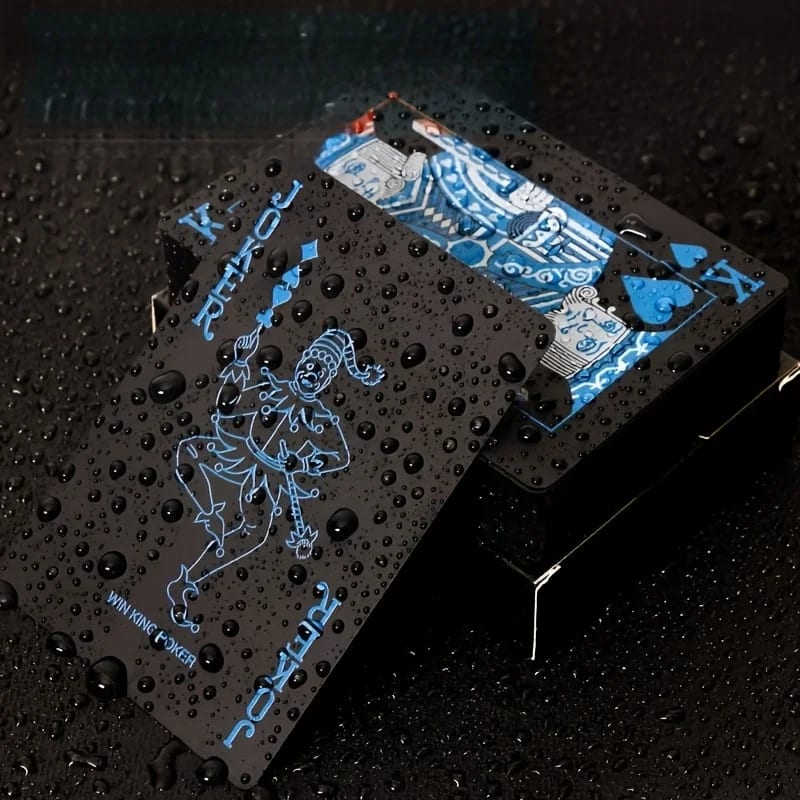
Waterproof Performer Deck
4.9 · 40 bought
$11.99
A signed card is pushed into the middle of the deck and keeps arriving back on top — again, and again, under closer and closer conditions.
What they see
A spectator picks a card and signs it, so there can be no question of a duplicate. It goes into the middle of the deck, slowly, with the end left sticking out until the last moment.
A snap of the fingers, and the top card is turned over. It is the signed card.
The whole power of the plot is repetition. Each phase removes the explanation the audience settled on after the last one: the card goes in face up, then it goes in held by the spectator, then the deck is in their hands. By the fourth or fifth time they have stopped looking for the trick and started laughing, and the best routines finish with the card somewhere it cannot be at all — in a sealed box, in the performer's mouth, under the spectator's own hand.
Provenance
The idea of a card that will not stay in the middle is old, and versions of it appear in nineteenth-century magic writing. The routine as close-up magicians now think of it — a sequence of rising-card phases, each harder than the last — took shape in the twentieth century, and Dai Vernon's handling did a great deal to set its form.
It has since become the plot every card magician makes their own. Daryl's instructional series The Ambitious Card Omnibus collected dozens of phases from different performers, which says something about how many people have added to it and how little anyone can claim to own it.
Learning it
Easy to start and almost impossible to finish. A first phase can be learned in an afternoon; a routine that holds up under a spectator's nose takes months, and most professionals go on rebuilding theirs for years.
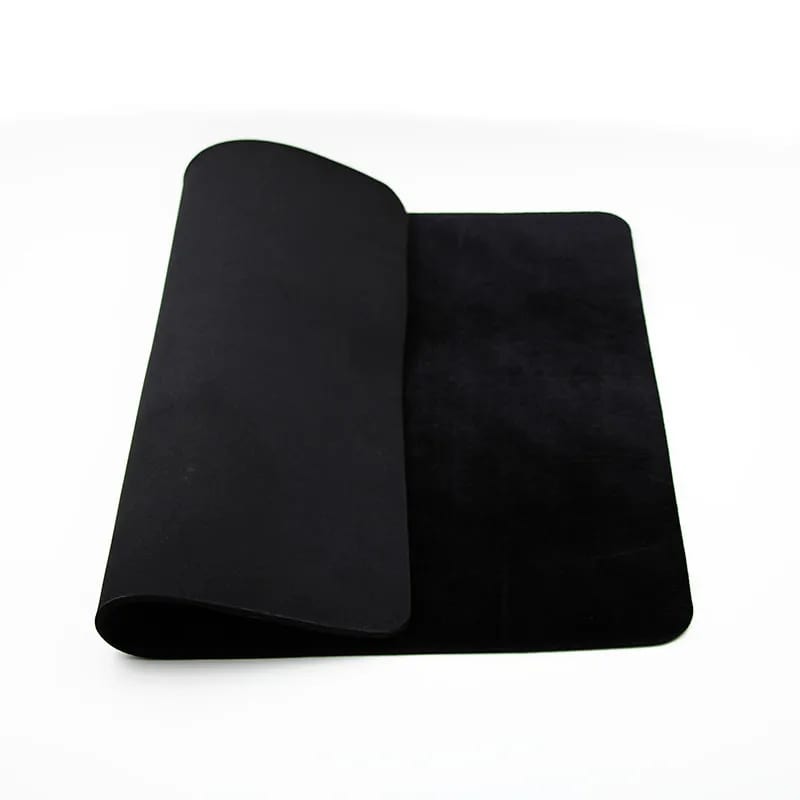
It is pure sleight of hand. There is no gimmick and no special deck, so what you need is a good paper deck that handles well, a surface to work on, and a lot of practice in front of a mirror.
It is also the most forgiving routine to perform badly: a beginner with two clean phases and a good line of patter will still get a reaction, which makes it a sensible first card routine for someone willing to put the hours in.
Coming soon
We're preparing lessons that teach classic tricks step by step, for members. Leave your email and we'll write once, when they open. Nothing else.
What you need
Next
Card Effect
Half the deck is turned face up and shuffled into the other half. A snap, and every card rights itself — except the one the spectator chose.
Card Effect
Red and black cards are mixed together, one by one, in plain view — and separate back into two colours as if they refused to mix.
Card Effect
A spectator deals cards face down into two piles, guessing red or black for each without looking — and gets every single one right.