Magic Supplies: What Every Magician Needs
Nov 8, 2026 · The Editors
Magic supplies and magician props, sorted by what they are for: the working surface, card and coin supplies, classic props, utility devices, consumables for stage and parlour, and how to carry it all.
Every magician's kit is different, but the supplies fall into the same few groups. Here is what working magicians and serious hobbyists actually keep in the case — sorted by what each thing is for.
1. A working surface
A close-up mat is the first purchase most close-up performers make and the one they replace least often. Cards slide off it cleanly, coins land without a sound, and everything looks more deliberate against dark cloth. A large mat — around 60 × 40 cm — gives room for a full set and a spectator's hands; a smaller one fits in a bag.
2. Cards
- A good deck of ordinary cards — several, because they wear out.
- A trick deck or two. The Svengali deck is the classic first one; a stripper deck is the classic second.
- Card gimmicks for specific effects — a floating card, a card box, a hummingbird card.
3. Coins
- Half-dollar-sized coins — the standard size for coin magic, big enough to see.
- Specialist coin sets for particular effects.
4. Classic props
The props that have been in magicians' cases for centuries, each built around one strong effect:
- [Cups and balls](/effects/cups-and-balls) — the oldest trick in magic.
- [Sponge balls](/effects/sponge-balls) — magic that happens in the spectator's own hand.
- [Linking rings](/effects/linking-rings) — solid rings that link and unlink.
- [Rope](/journal/rope-magic-tricks) — cut, restored, stiffened.
- [Chop cup](/effects/chop-cup) — one cup, and a ball that will not stay put.
5. Utility devices
Utility devices are not tricks on their own. They are tools that make dozens of different effects possible — which is why magicians call them utilities. The [thumb tip](/effects/thumb-tip) and the [change bag](/effects/change-bag) are the best known. Most magicians own several of each and replace them as they wear.
6. Consumables
Some supplies get used up every show:
- Silks for productions and vanishes. Silk magic.
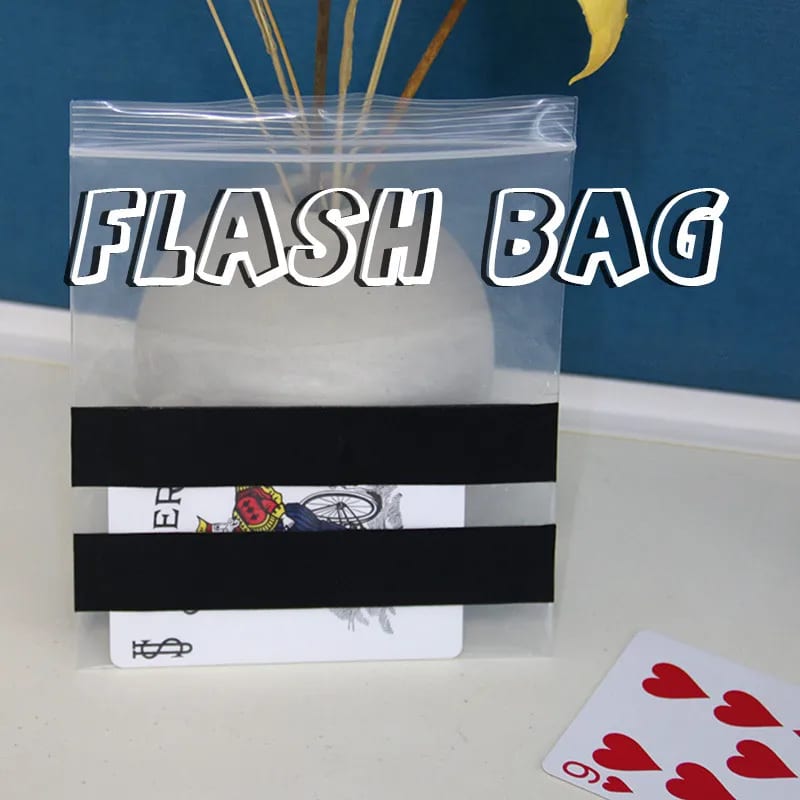
- Flash paper and flash bags for a burst of flame.
- Snowstorm paper for the classic finale.
- Sponge balls, which wear out and get given away.
- Rope, which gets cut.
Running out of a consumable before a show is the most avoidable problem in magic. Keep spares.
7. Stage and parlour props
For performers working to a room rather than a table: appearing and vanishing canes, dove pans, stage-size linking rings and stick to flowers. Bigger props, seen from the back row.
8. Carrying it all
A case with compartments, a close-up pad that rolls, and a short checklist taped inside the lid. Experienced performers pack the same way every time so nothing is ever left behind.
Where to buy magic supplies
Independent magic shops are rarer than they were — here is how to find one near you — and most magicians now buy supplies online. Whatever you buy, buy from a seller that sells the real prop rather than a toy version, and expect the classics to be simple, well-made and quietly ingenious.
How to become a magician · Best magic tricks for beginners · Gifts for magicians.
Mentioned above
Products in this guide
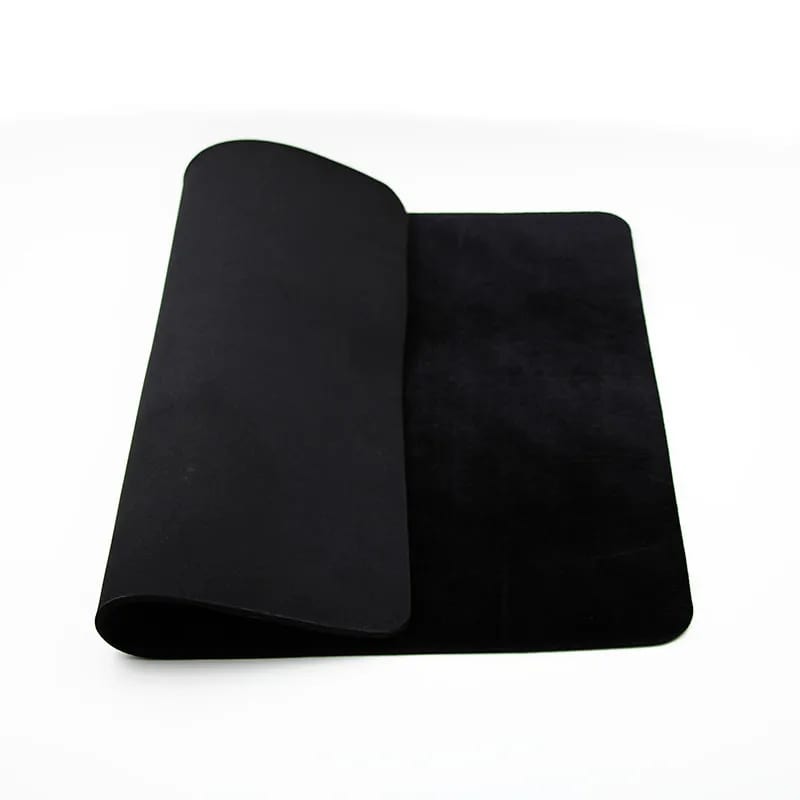
Close-Up Mat — Large, 60 × 40cm
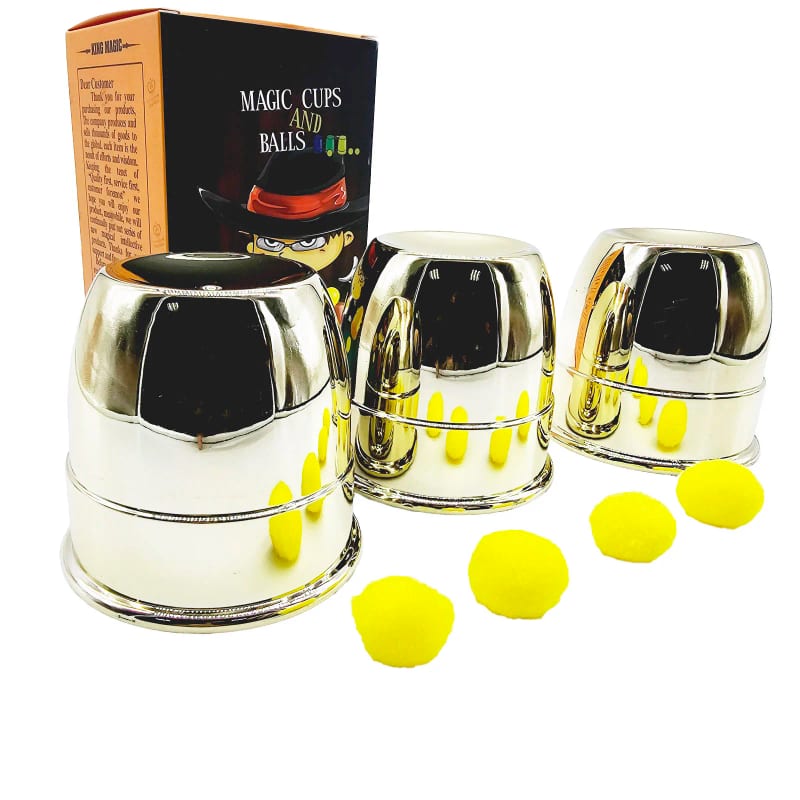
Three Cups and Balls — Chrome Finish
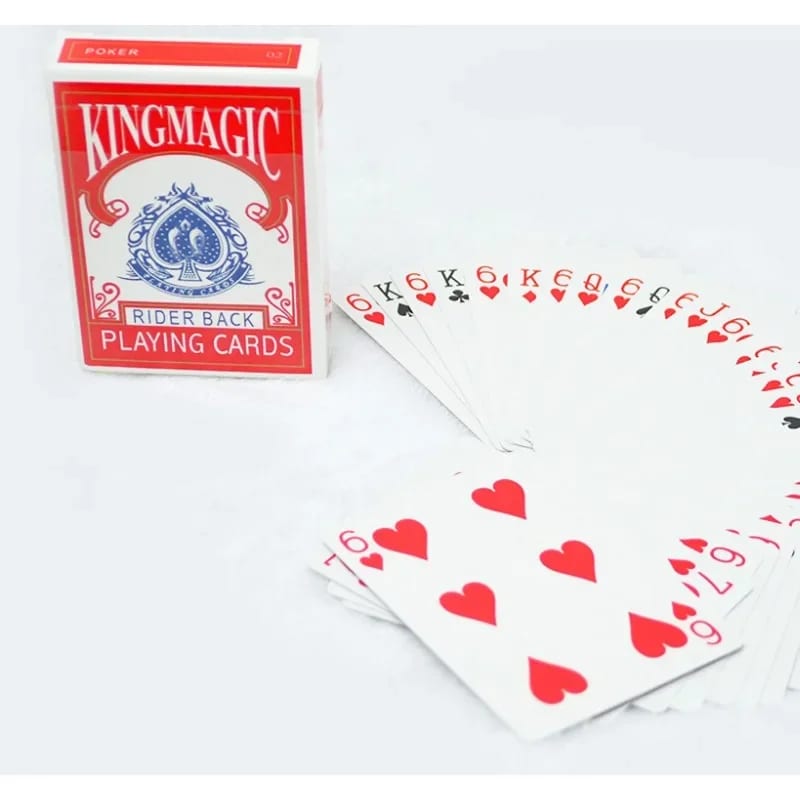
Svengali Deck
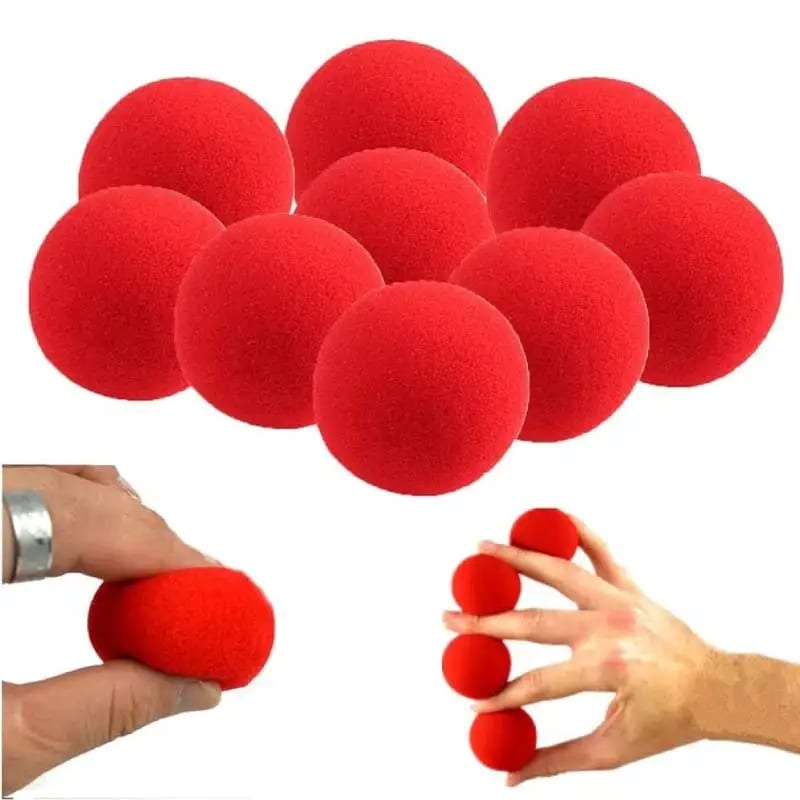
Sponge Balls — Red, Set of Ten

Hard Thumb Tip — Set of Five
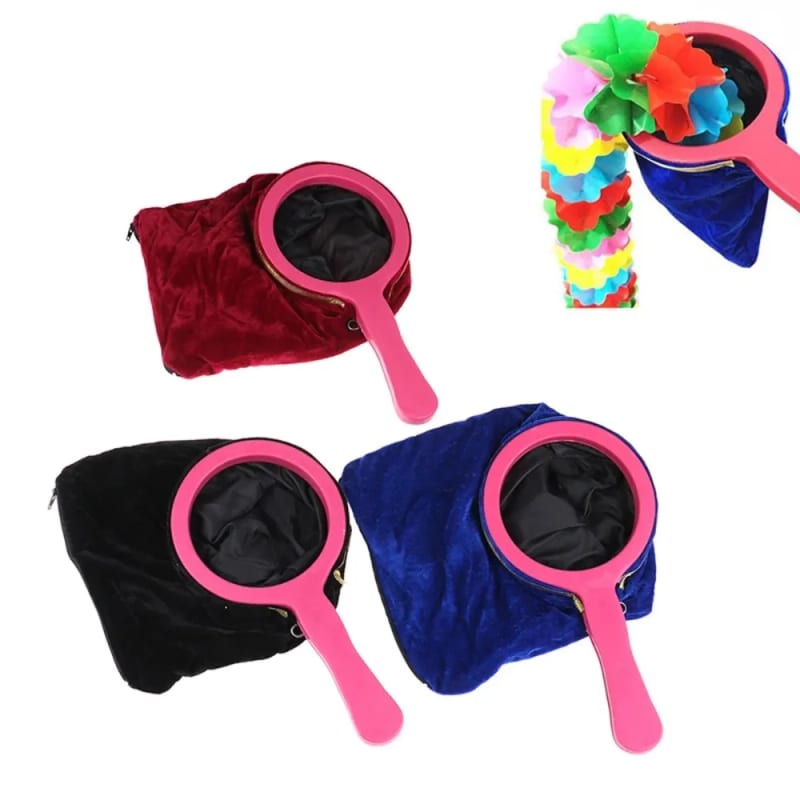
Change Bag — Handheld

Performance Silks — Set of Ten