Svengali Deck
$11.99Beginner
A spectator names a card, the deck is riffled to show every card different, and the named one is the only one there — the trick deck that has sold at fairgrounds for a century.
What they see
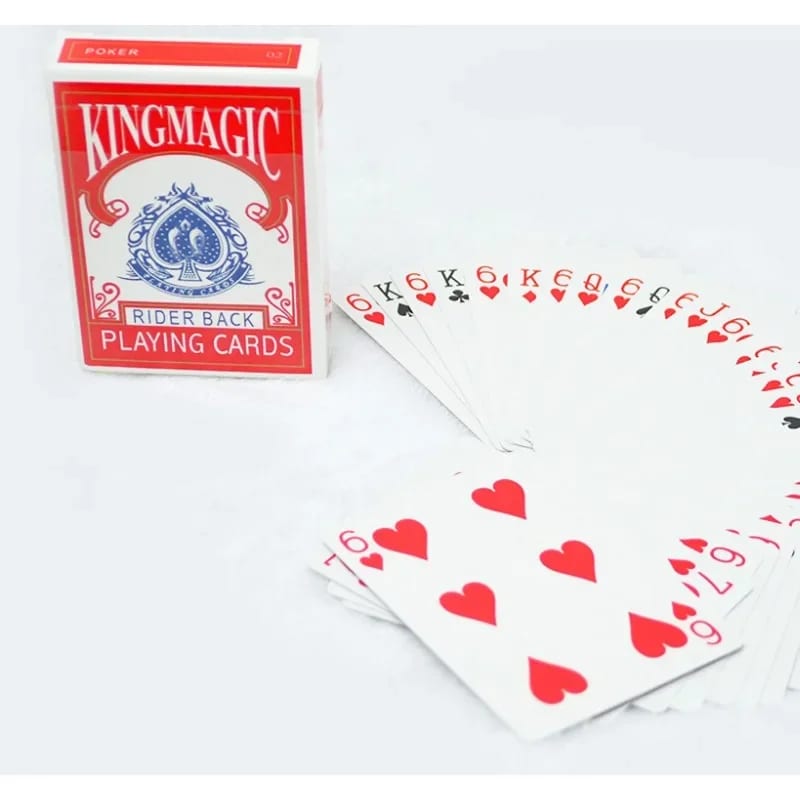
The deck is riffled from front to back and every card is different. A spectator stops the riffle wherever they like and remembers the card they stopped at. The deck is squared, shuffled, handed over, inspected.
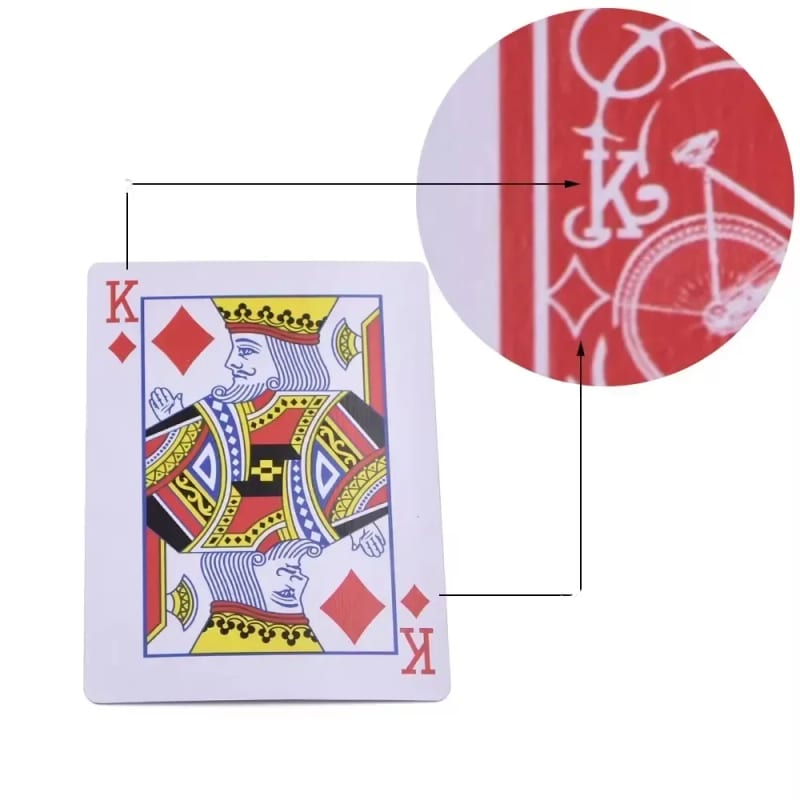
Then the deck is riffled again and every single card is theirs. Fifty-two of the card they chose, in a deck they watched being mixed moments earlier.
The stronger version does less. One card is named out loud before anything is touched, the deck is spread face up, and that card is the only one missing — it is already in the performer's pocket, or in the spectator's.
Provenance
Usually credited to Burling Hull, who was selling it by about 1909, though the principle it rests on is older and several dealers claimed it at once — a common pattern in magic, where a good idea tends to have four fathers and no paperwork.
The name comes from Trilby, George du Maurier's 1894 novel, and its hypnotist Svengali, who bends a young woman entirely to his will. The deck was marketed on that association: the cards do what you tell them.
It became the demonstrator's deck. Boardwalk pitchmen, fairground stalls, department-store counters and, later, late-night television all sold it by the crate, which is why it is simultaneously the most famous trick deck in the world and the one experienced magicians are most reluctant to admit owning.
Learning it
Easier than any sleight you will ever learn, and that is the trap.
The handling takes an evening. What takes longer is restraint: the deck will do several different tricks and the temptation is to do all of them to the same person, at which point an intelligent spectator works out that the deck is the common factor. Pick one revelation, do it once, and put the deck away.
The other discipline is letting them handle it at the right moment and not the wrong one. Knowing which moments those are is the whole skill, and it is worth more than any flourish.
What you need
Next
Card Effect
A deck tapered down one edge so a reversed card can be found by touch — the workhorse gaff that does a dozen tricks and asks almost nothing.
Card Effect
Decks bought to be looked at rather than played with — foil, transparency, custom courts — and the overlap between collecting them and performing with them.
Vanish
A small hinged box that vanishes a signed card, produces one, or changes it for another — a utility prop that ends routines cleanly.