How to Become a Magician: A Real-Life Guide
Nov 7, 2026 · The Editors
How to become a magician in real life: choosing close-up, parlour or stage magic, the first tricks and books to learn from, practice, finding clubs and mentors, your first performances, and how working magicians earn a living.

Nobody is born a magician. Every working performer started with a single trick and an audience of one. This is the route most of them took — for adults taking up magic as a hobby or working towards performing for money. It teaches no secrets; it shows you the path.
1. Choose your kind of magic
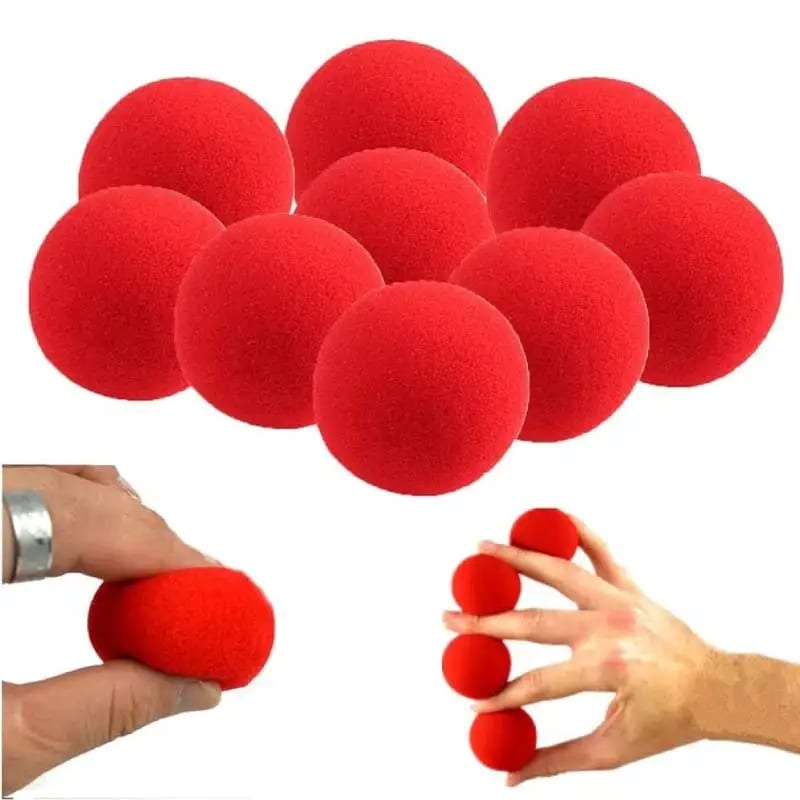
- Close-up magic — cards, coins, sponge balls and small objects, performed inches from the audience at a table. Cheapest to start, and the most portable. How to build a close-up set.
- Parlour magic — for a room of twenty to a hundred people, standing: ropes, rings, silks, larger props.
- Stage magic — illusions and big props for a theatre audience.
- Mentalism — mind-reading and prediction. Mentalism vs traditional magic.
Most magicians start close up and add the others later.
2. Learn a handful of strong tricks
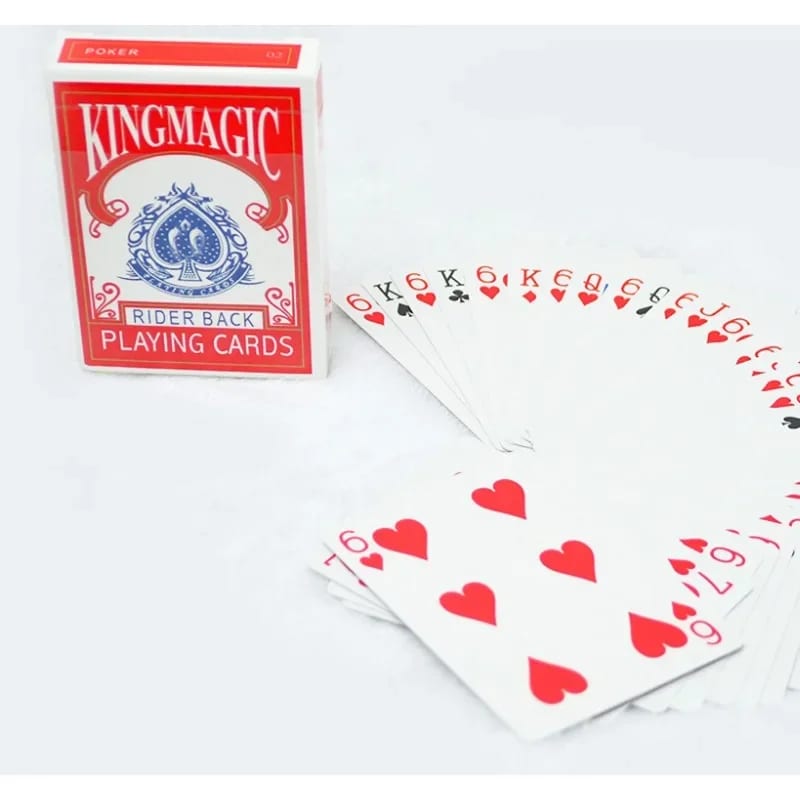
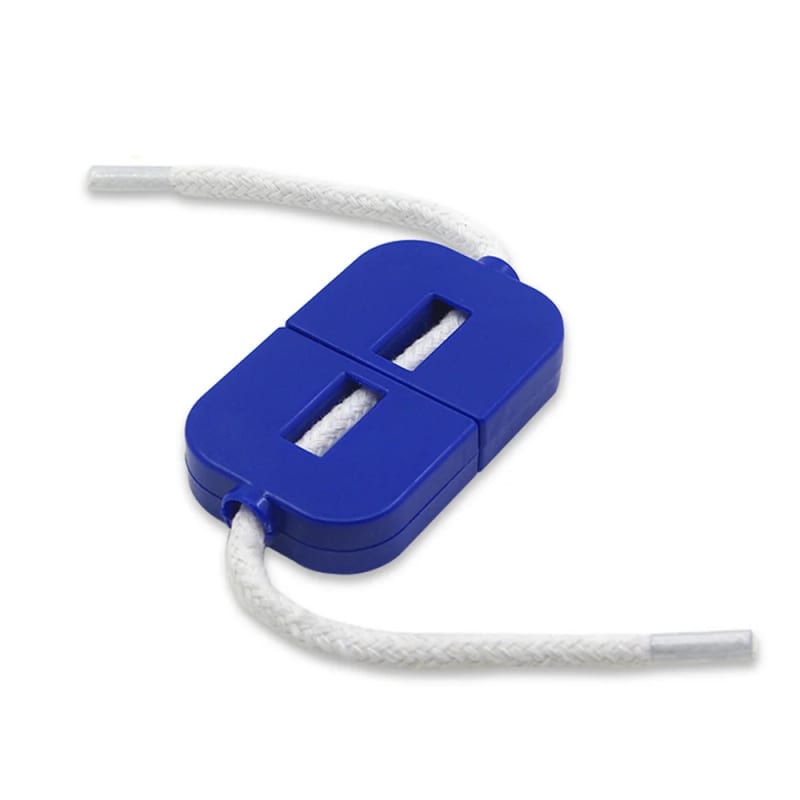
Begin with a few tricks that are easy to do and strong to watch, so you can perform early while your skills grow. Self-working card tricks, a trick deck, sponge balls and a rope routine are the classic starting points. Best magic tricks for beginners.
3. Learn from books
Videos are useful for seeing a move, but magicians agree that books are where the real teaching is. Classic beginner's books on card magic and general magic from the mid-20th century are still in print and still teach better than most online lessons. Ask at a magic shop or club which to start with.
4. Practise — properly
- In front of a mirror, then on video — you need to see what the audience sees.
- Slowly, then up to speed. A move done smoothly at half speed beats a fast, jerky one.
- The patter too. What you say is half the trick. Write it out and rehearse it.
5. Find other magicians
- Join a magic club. Most cities have a local society or ring of one of the big national magicians' organisations, with meetings, lectures and members happy to help a beginner.
- Find a mentor — an experienced magician who will watch you perform and tell you the truth.
- Go to a magic convention once you are hooked.
6. Perform
Start with friends and family. Then:
- Open mics, talent shows and charity events.
- Busking — the oldest training ground there is.
- Volunteer shows for community groups and hospitals.
Every performance teaches you more than a month of practice.
7. Turn professional (if you want to)
Working magicians earn from:
- Restaurants and bars — strolling table to table.
- Weddings and private parties.
- Corporate events and trade shows.
- Theatre and cruise ships, for the most established.
You will need a short demo video, a simple website, public liability insurance, and a show you can do reliably every time.
The magician's code
Never reveal how a trick is done, never perform a trick for the same audience twice in a row, and always practise before you perform. Those three rules have held for centuries.
Your first props
A set of cups and balls, a close-up mat, a trick deck, sponge balls and a rope cover the first year of close-up and parlour magic. Gifts for magicians.