Stripper Deck
$17.99Beginner
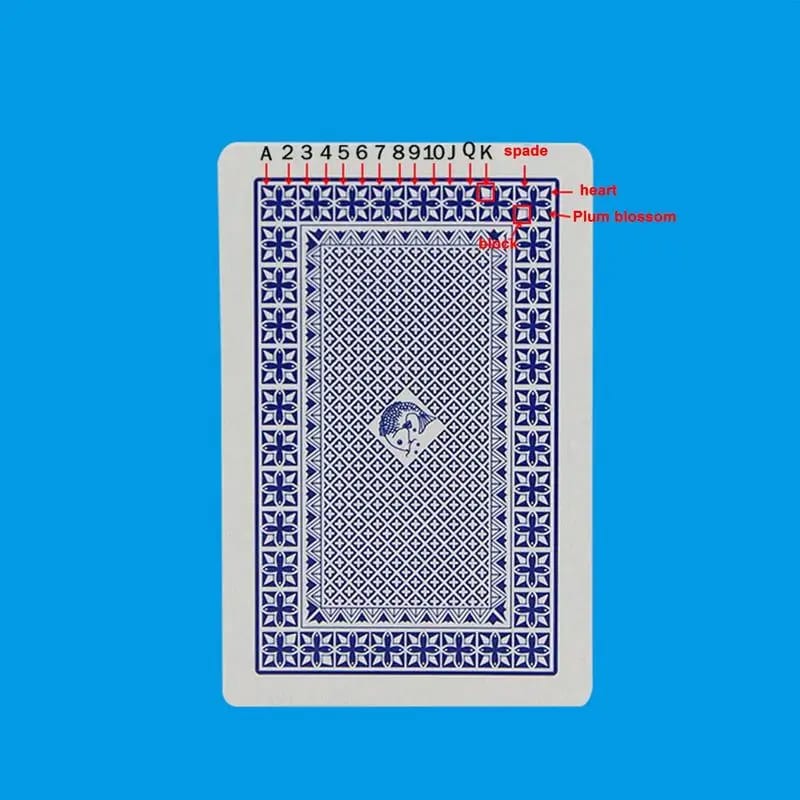
A deck tapered down one edge so a reversed card can be found by touch — the workhorse gaff that does a dozen tricks and asks almost nothing.
What they see
A card is chosen, returned anywhere, and the deck is squared and shuffled by the spectator. The performer cuts once and it is on top.
Four spectators each take a card. All four come back to different places. All four are produced in a row without a pause.
Nothing looks adjusted. The deck is shuffled normally, spread normally, and handed over at the end of the routine to a spectator who finds a deck of cards.
Provenance
Nineteenth-century in origin and sold under a dozen names — tapered deck, wizard deck, svengali's quieter relative. It came out of the same gambling-adjacent world as marked cards and was commercialised by magic dealers in the same era.
It remains one of the few gaffs that survived the twentieth century unchanged, because there is nothing about it to improve.
Learning it
The least demanding gaff deck there is, and the most useful of them.
The handling is a normal shuffle and a cut. An hour gets you a working effect. The restriction is that the deck cannot be spread face up for long or handed out mid-routine, which rules out some sequences and matters less than beginners expect.
It pairs with a marked back — a deck that is both tapered and marked will carry an entire card set on its own, which is why that combination is the one most working performers end up owning.
What you need
Next
Card Effect
A spectator names a card, the deck is riffled to show every card different, and the named one is the only one there — the trick deck that has sold at fairgrounds for a century.
Card Effect
Decks bought to be looked at rather than played with — foil, transparency, custom courts — and the overlap between collecting them and performing with them.
Vanish
A small hinged box that vanishes a signed card, produces one, or changes it for another — a utility prop that ends routines cleanly.