Coin Magic for Beginners: The Effects, the Coins and Where to Start
Nov 8, 2026 · The Editors
Coin magic for beginners: the classic coin effects as an audience sees them, which coins magicians use and why, coin props and sets, how to practise, coin flourishes, and the great coin magicians.
Coin magic is close-up magic at its purest: small, hard, shiny objects that appear, vanish, travel and change in plain view, inches from the audience. It is also one of the most demanding branches of sleight of hand — which is exactly why it impresses.
The classic coin effects
Almost every coin trick is a version of one of these, described as the audience sees them:
- The vanish — a coin is there, then it is not.
- The production — a coin appears from nowhere, or from somewhere it should not be.
- The transposition — a coin in one hand ends up in the other.
- [Coins across](/effects/coins-across) — coins travel one by one, invisibly, from one hand to the other.
- The matrix — coins under four cards gather together under one.
- The miser's dream — the magician plucks coin after coin from the air and drops them into a bucket.
- Transformations — a coin changes into a different coin, or a different metal.
- Penetrations — a coin passes through a solid object.
Which coins magicians use
- Half-dollar size — around 30 mm — is the standard for American coin magic: large enough for the audience to see, small enough to handle. Many magicians use Kennedy or Walking Liberty half dollars.
- Large foreign coins — the British old penny, the Chinese coin with a square hole — have a character all their own.
- Larger coins and commemorative medallions, 38–40 mm, read beautifully on stage and are good for flourishes.
Avoid very small coins for magic. Nobody can see what is happening to a dime.
Coin props and sets
Alongside ordinary coins, coin magicians use specially made coin sets and gimmicks that make particular effects possible. A Chinese coin set — square-holed coins, sometimes with a shell — is a classic for transformation and travel routines; a transparent coin effect makes a coin visibly see-through. Each comes with its own routine.
How to practise coin magic
- Practise in front of a mirror — coin magic is all about angles.
- Work over a close-up mat. A dropped coin on a hard table is loud.
- Learn one effect at a time and perform it before learning the next.
- Patience. Coin sleights take weeks to look natural. That is normal.
The classic textbook is Modern Coin Magic by J. B. Bobo, first published in 1952 and still the book most coin workers start with.
Coin flourishes
Flourishes are not tricks — nothing vanishes — but they show skill and make a performer look at home with coins. The best known is the coin roll across the knuckles. How to roll a coin across your fingers.
The great coin magicians
- T. Nelson Downs (1867–1938), "The King of Koins", built a whole vaudeville act around coins and the miser's dream.
- Dai Vernon, Slydini and David Roth each changed how coin magic is performed — Roth in particular created many of the modern classics.
Where coin magic fits
Coin magic suits strolling and table-side performing: it needs no table, packs into a pocket and plays to a small group. Many magicians open with a coin vanish because it is instant and needs no explanation.
Mentioned above
Products in this guide
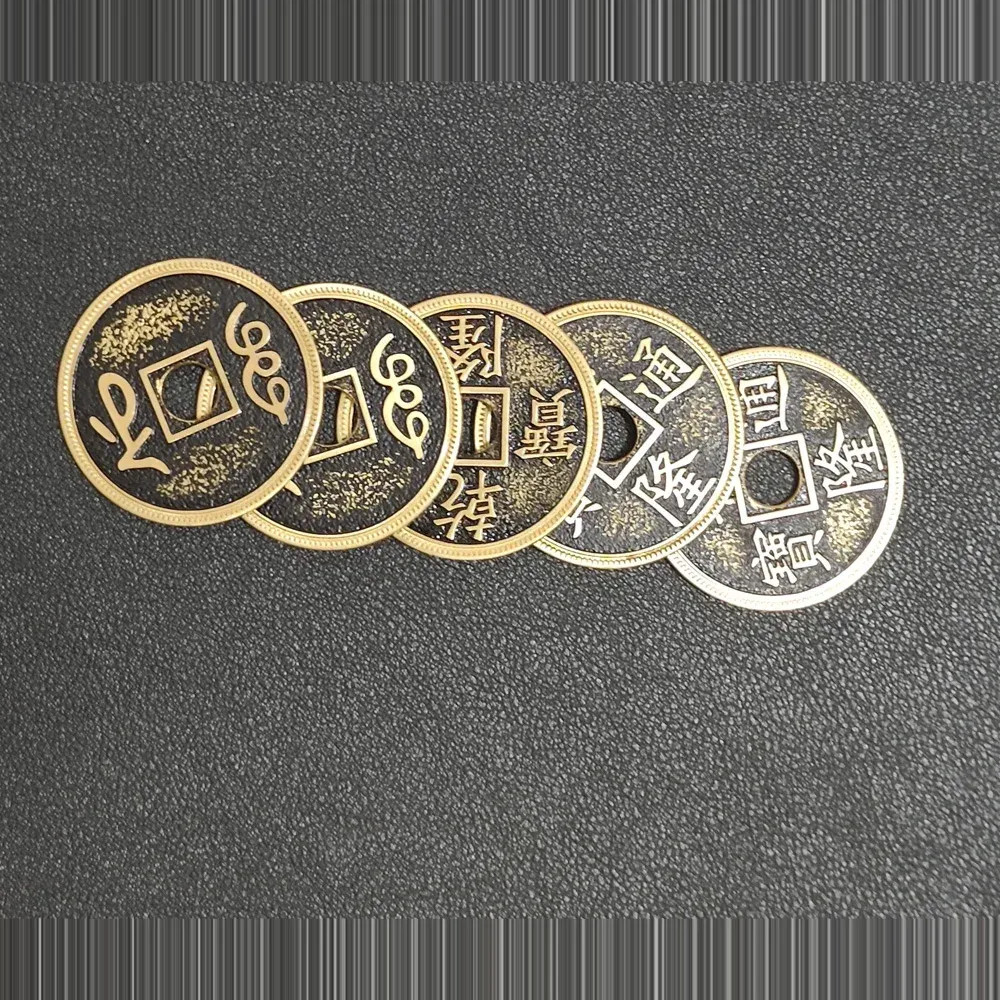
Chinese Palace Coin Set — Four Coins and a Shell
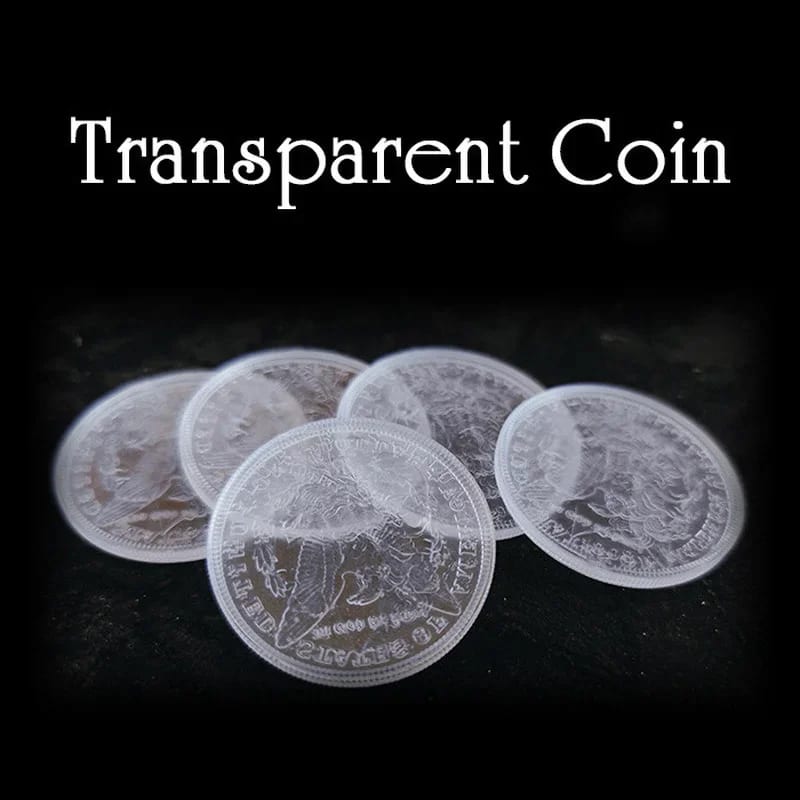
Transparent Coin — Half Dollar
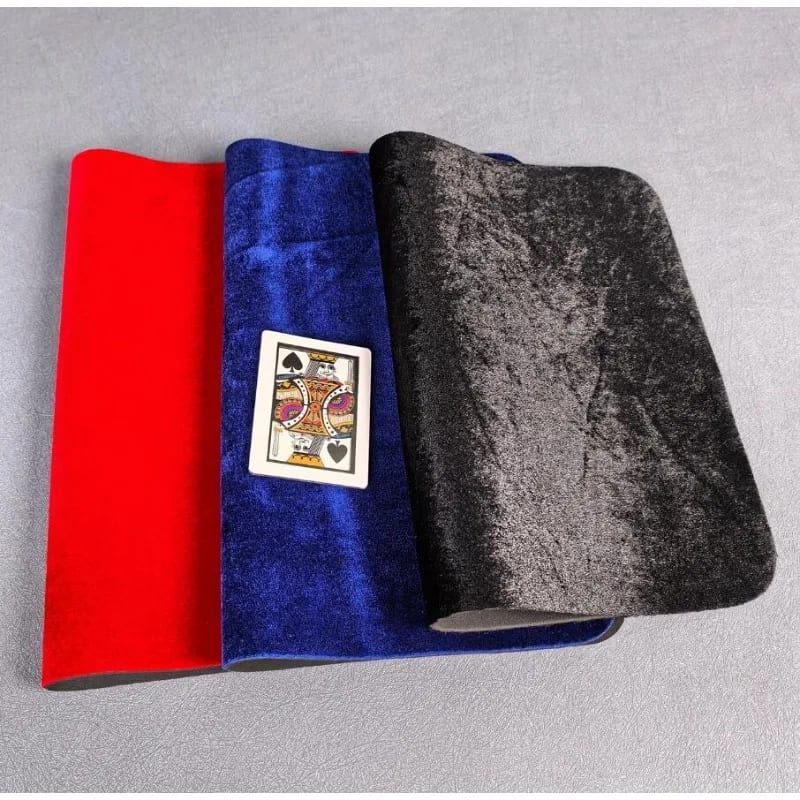
Close-Up Mat — 41 × 32cm
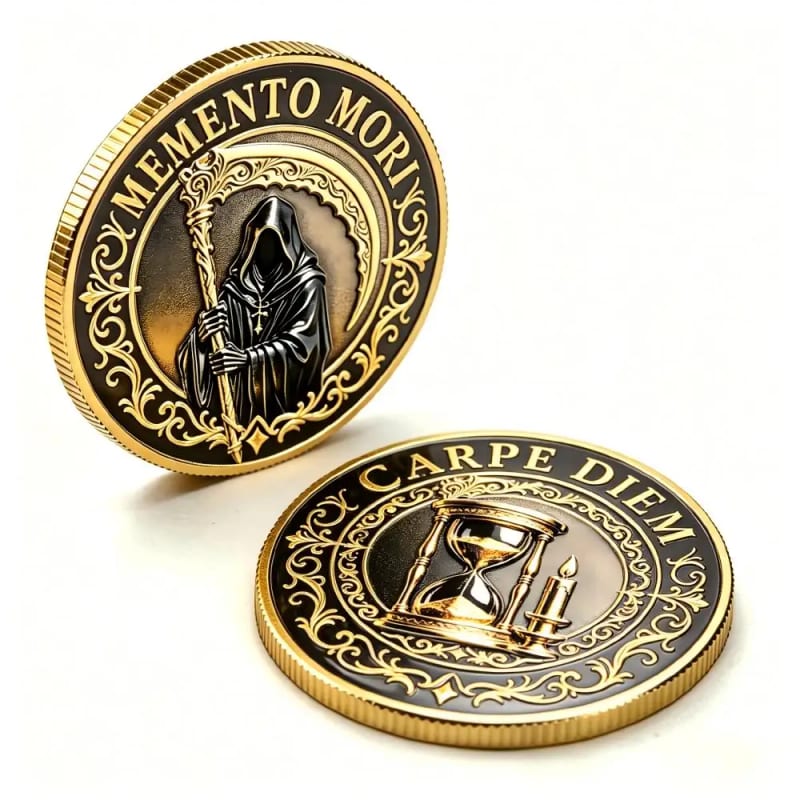
Memento Mori Coin — Grim Reaper, Gold, in Display Case