What Is Stage Magic? Illusionists, Grand Illusions and the Great Stage Acts
Nov 15, 2026 · The Editors
What stage magic is and what a stage magician is called: illusionists, grand illusions, the history from Robert-Houdin and the Egyptian Hall to modern theatre shows, and the classic stage effects.
Stage magic is magic performed in a theatre or on a stage for a large audience, usually with large props, music, assistants and lighting. A stage magician who specialises in large-scale effects — vanishing people, levitations, sawing someone in half — is usually called an illusionist, and those big effects are called illusions or grand illusions.
What is a stage magician called?
| Name | Usually means |
|---|---|
| Illusionist | a stage magician who performs large illusions |
| Conjuror / conjurer | the traditional, general word for a magician |
| Escape artist | a performer of escapes, from Houdini onwards |
| Manipulator | a stage magician who produces cards, balls, doves or silks from the hands |
| Mentalist | a stage performer of mind reading and prediction |
Stage magic vs close-up and parlor magic
Stage magic is the largest of the three performing sizes. Close-up is done at arm's length for a handful of people; parlor for a room; stage for a theatre. On stage, everything must read from the back row: big props, bold movement, music and light. See what is parlor magic and what is close-up magic.
A short history of stage magic
- 1845 — Jean-Eugène Robert-Houdin opens his theatre in Paris. He performs in evening dress on an elegant, uncluttered stage, and modern stage magic is often dated from him.
- 1873 — John Nevil Maskelyne and George Cooke begin their long run at the Egyptian Hall in London, which became known as "England's Home of Mystery."
- Late 1800s to early 1900s — the golden age of touring illusion shows: Harry Kellar, Howard Thurston and others took full evenings of magic around the world by train.
- Early 1900s — Harry Houdini turns escapes into headline stage acts.
- 1921 — P. T. Selbit presents one of the first versions of sawing through a woman in London, soon followed by other versions in America.
- Later 20th century — television specials and long-running theatre shows, especially in Las Vegas, make the illusionist a household name.
More on the people in famous magicians in history.
Classic stage magic effects
- Levitation — a person floats in the air.
- Sawing a person in half — and restoring them.
- Vanishes and appearances — of people, animals or objects.
- Escapes — from chains, trunks, tanks of water.
- Manipulation acts — doves, canes, silks and cards produced from bare hands. See why do magicians use doves.
- The stage linking rings — large steel rings joined and separated in full view. See linking rings.
- The dancing cane — a cane that floats and moves around the performer.
- The dove pan — a pan that produces a live dove or a surprise. See the dove pan.
What makes stage magic work
- Scale. The props and actions must be seen by every seat.
- Music and lighting. Stage acts are choreographed, often with no speaking at all.
- Assistants. Many illusions need a team on and off stage.
- Rehearsal. A big illusion can take months to stage safely.
- A story. The best acts are more than a list of tricks; each piece builds to a finale.
Starting on stage
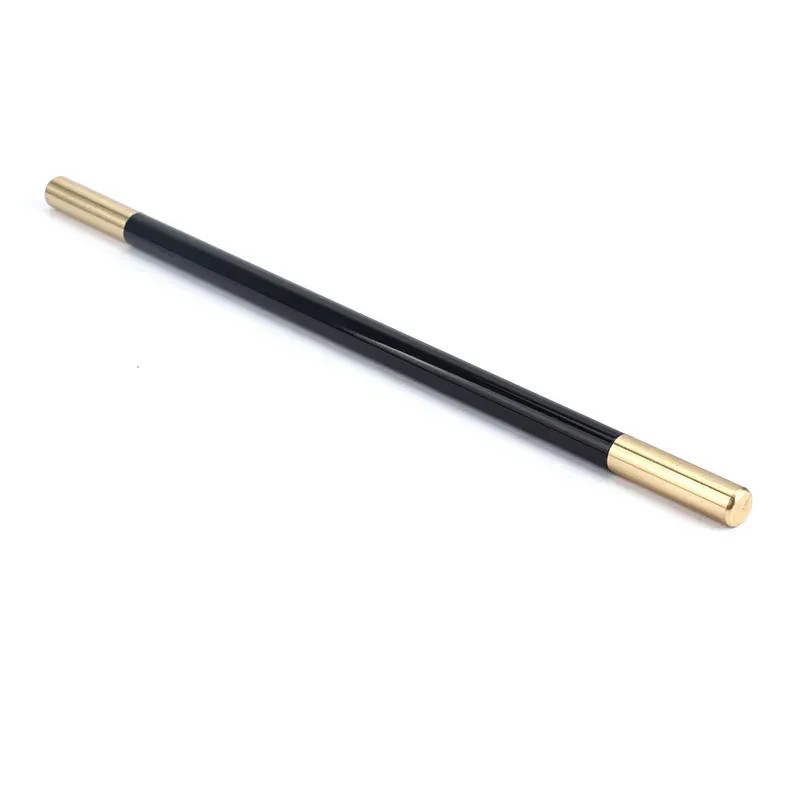
Few magicians start with grand illusions. Most begin with manipulation and stand-up effects that work on any stage — the stage linking rings, a dove pan, an aluminium dancing cane, a vanishing cane or appearing cane, and performance silks. For the history of the classic prop, see history of the magic wand, and for the overall map of effects, types of magic tricks.
Frequently asked questions
What is stage magic?
Magic performed in a theatre or on a stage for a large audience, usually with large props, music, lighting and assistants.
What is a stage magician called?
Usually an illusionist, especially one who performs large illusions. Conjuror is the traditional general word.
What is the difference between a magician and an illusionist?
Magician is the general term; illusionist usually means a stage magician who specialises in large-scale illusions such as levitations and vanishes.
Who is considered the father of modern stage magic?
Jean-Eugène Robert-Houdin, the French clockmaker-turned-magician who opened his Paris theatre in 1845.
Mentioned above
Products in this guide
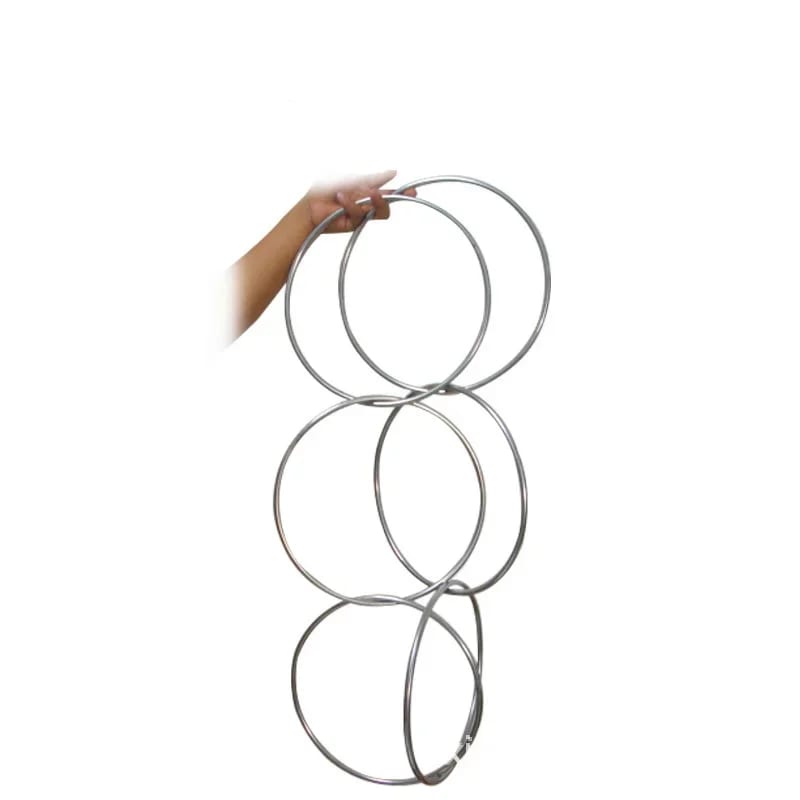
Linking Rings — Stage Set of Six, 30cm
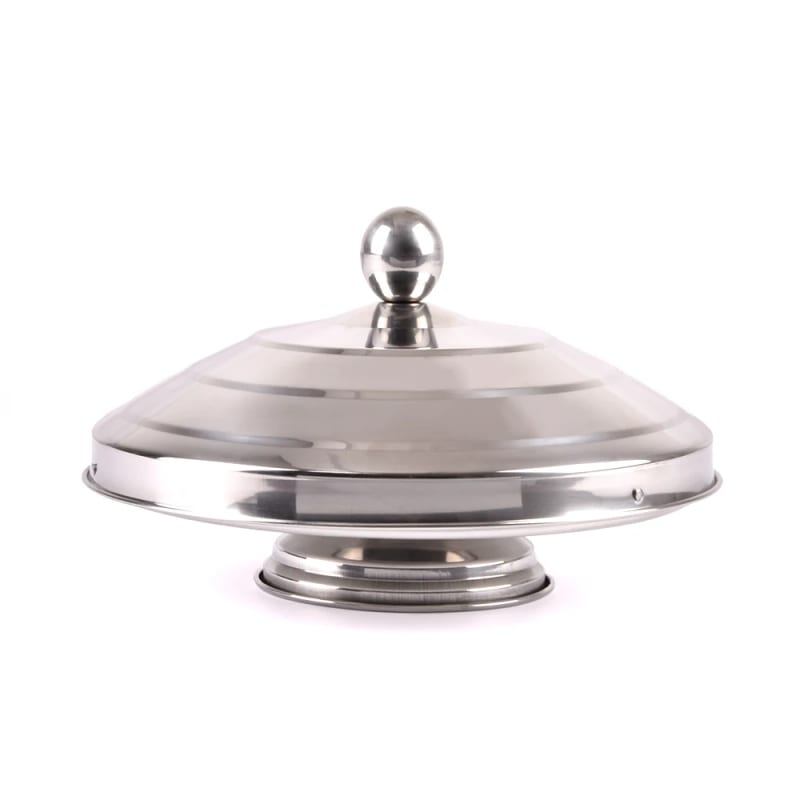
Dove Pan — Silver, 24cm
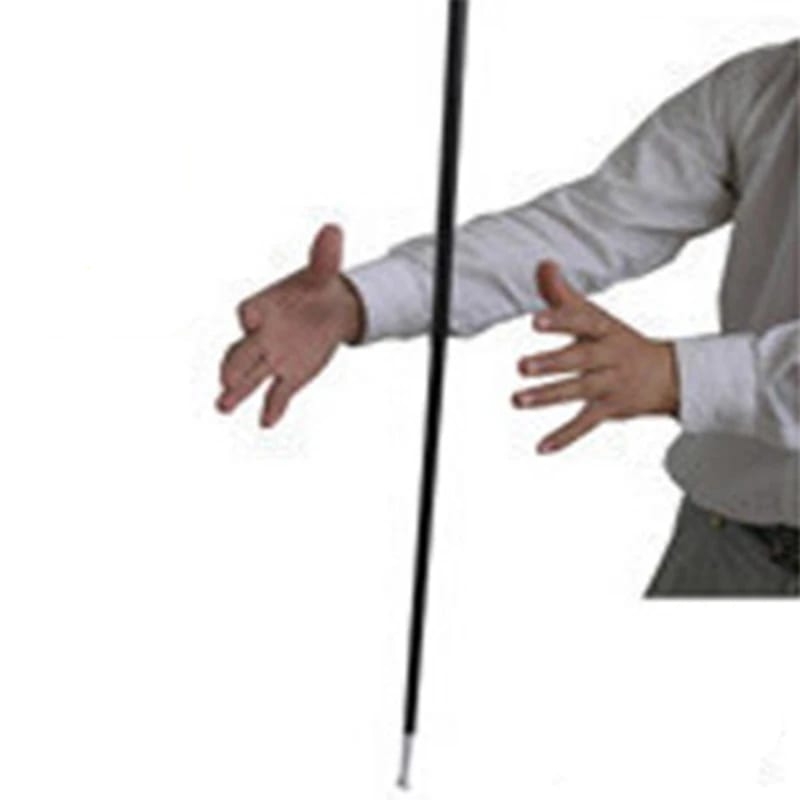
Dancing Cane — Aluminium

Vanishing Cane — Metal
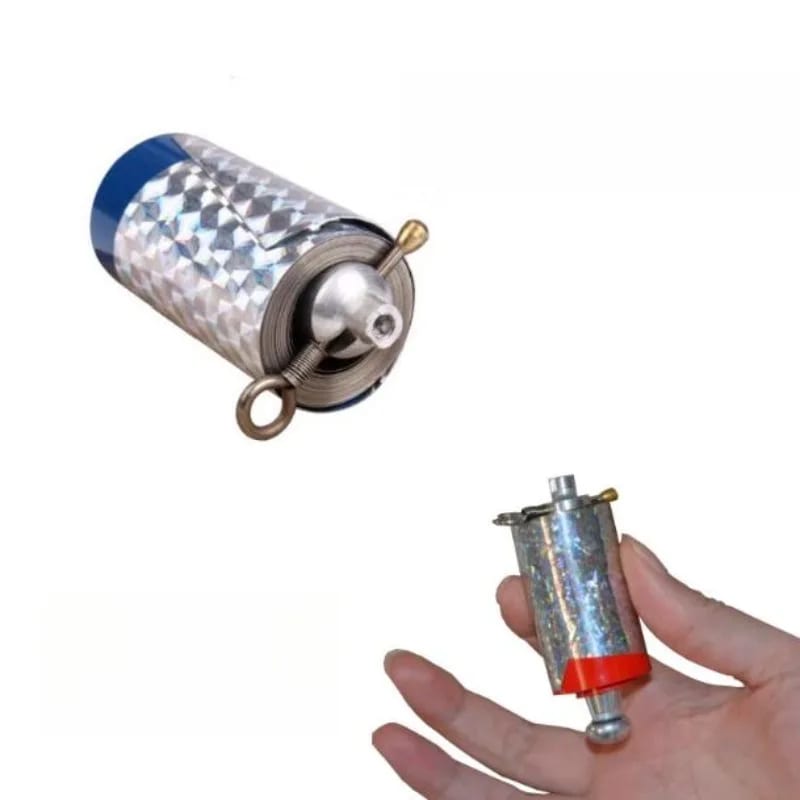
Appearing Cane — Metal

Performance Silks — Set of Ten