What Is Close-Up Magic? The Art of Magic at Arm's Length
Nov 14, 2026 · The Editors
What is close-up magic: magic performed a few feet from the audience with cards, coins and everyday objects, what it is also called, how it differs from parlour and stage magic, and the classic effects.
Close-up magic is magic performed a few feet from the audience — often at a table, sometimes in their hands — with small, everyday objects such as cards, coins, rings, rubber bands and cups and balls. The audience can see everything up close, which is what makes it so astonishing. It is also called table magic, micromagic or, when the magician moves from group to group, strolling or walk-around magic.
Close-up, parlour and stage magic
Magicians sort performances by how far away the audience is:
| Style | Audience | Typical props | Setting |
|---|---|---|---|
| Close-up | A few people, within arm's length | Cards, coins, rings, small objects | Tables, restaurants, parties |
| Parlour | A room of 10 to 100 | Ropes, silks, linking rings, mentalism | Living rooms, small venues |
| Stage | Hundreds or more | Large props, assistants, illusions | Theatres |
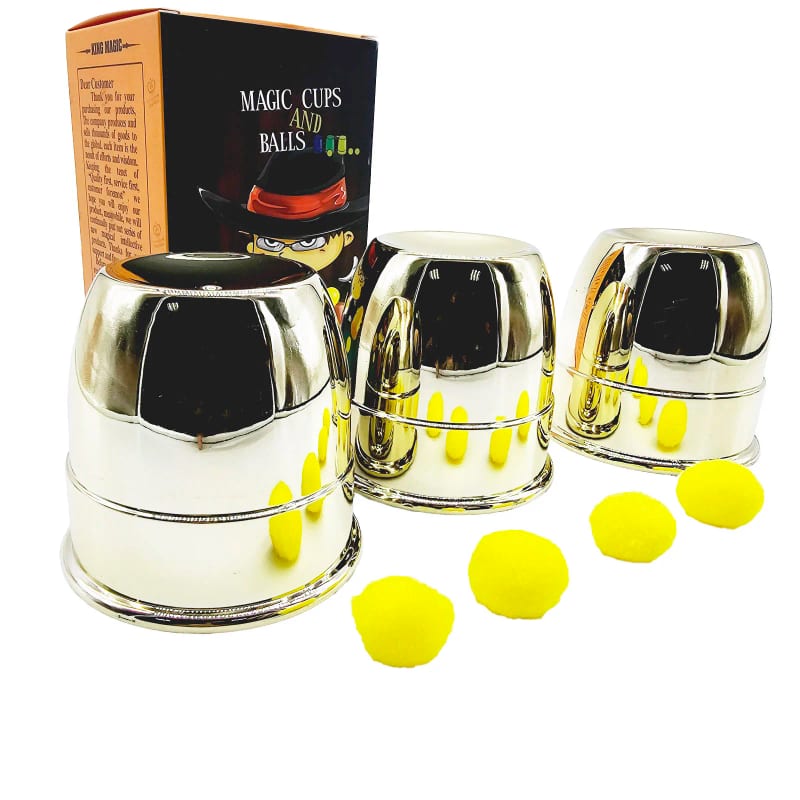
The same effect can move between them. The linking rings are a parlour and stage classic, while cups and balls began as close-up street magic and is still played at the table.
What a close-up show looks like
A close-up magician might sit at a dinner table or stand at a cocktail party with a small group gathered round. In a few minutes they could:
- make a signed card rise to the top of the deck again and again,
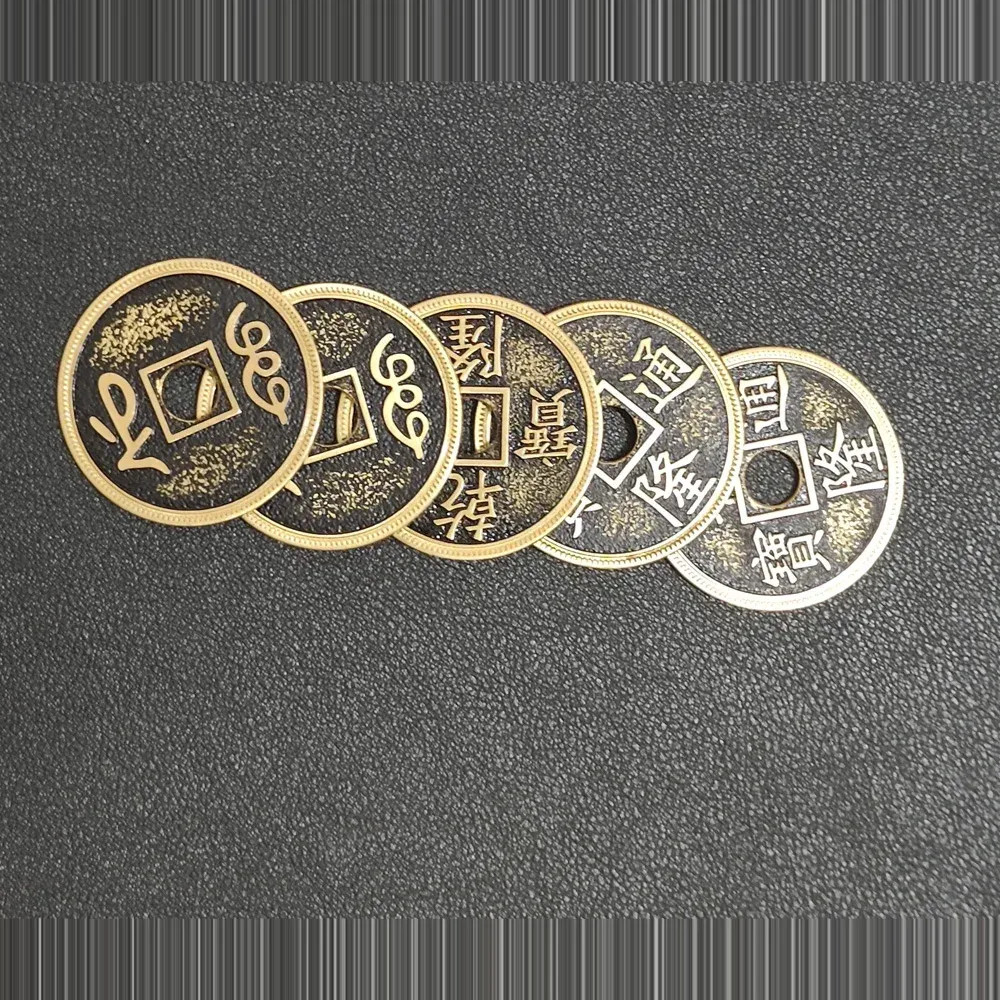
- send coins invisibly from one hand to the other,
- make balls appear and vanish under cups,
- borrow a ring and make it vanish and reappear somewhere impossible.
Because the audience is so close, often holding the objects themselves, close-up magic feels personal. Many people say it fools them more than a stage show.
Classic close-up effects
Some of the best-known close-up effects, each with its own page in our effects library:
- [The Ambitious Card](/effects/ambitious-card) — a chosen card keeps returning to the top.
- [Coins Across](/effects/coins-across) — coins travel one by one from hand to hand.
- [The Chop Cup](/effects/chop-cup) — a one-cup version of cups and balls.
- [Triumph](/effects/triumph-card-trick) — a shuffled mess of face-up and face-down cards rights itself.
- [The Coin Vanish](/effects/coin-vanish) — the simplest, and among the hardest to do well.
We don't explain methods — see the magician's oath — but every one of these depends on practice and presentation as much as on the props.
What close-up magicians use
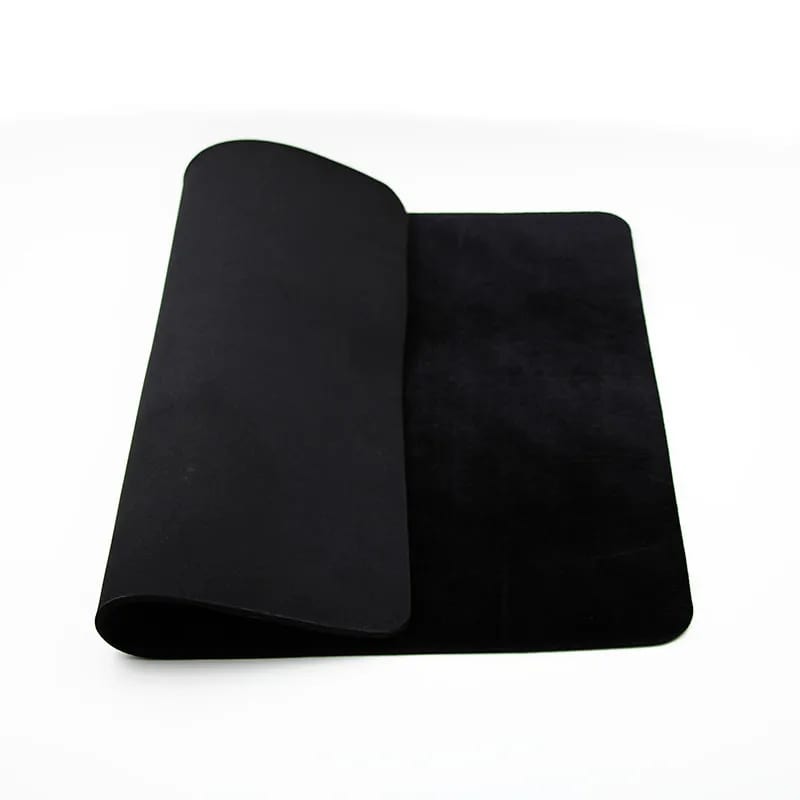
- A close-up mat. A soft, padded cloth surface. Cards and coins can be picked up easily, nothing slides or clinks, and the mat marks out a small stage on any table.
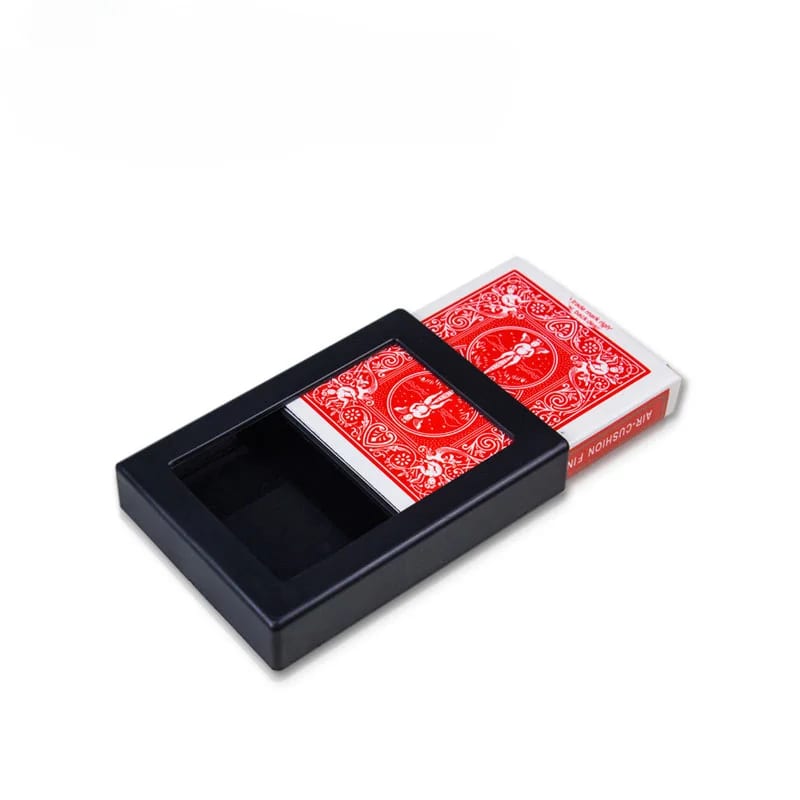
- A good deck of cards — the most versatile close-up prop of all.
- Coins, usually half-dollar size, which are easy for an audience to see.
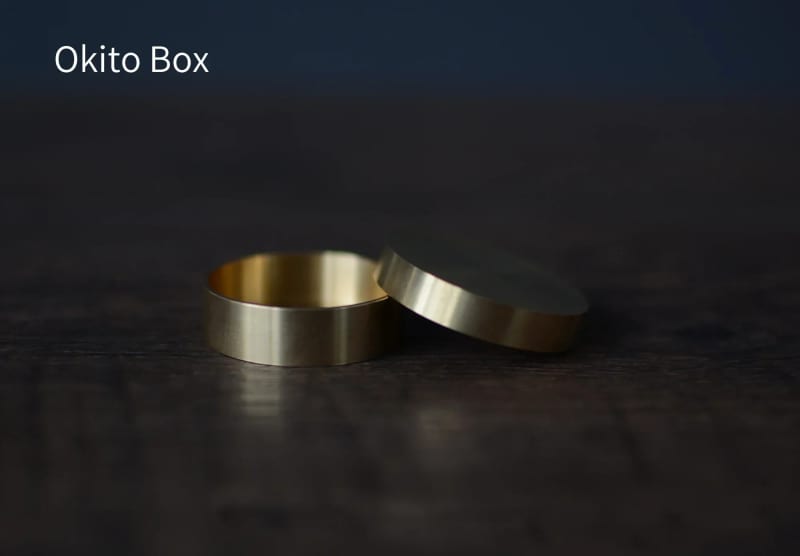
- A few small props — a coin box, a set of cups, sponge balls — that fit in a jacket pocket.
The appeal of close-up magic is that you can carry a whole show in your pockets.
Is close-up magic good for beginners?
Yes — many magicians start with it, because the props are cheap and small and you can practise at a kitchen table. It does take practice: close-up audiences watch hands closely. Start with a few self-working or prop-based effects, then build skill. See best magic tricks for beginners, card magic for beginners and how to build a close-up magic set.
Frequently asked questions
What is close-up magic called?
It is also called table magic, micromagic, and strolling or walk-around magic when performed for small groups at an event.
What is the difference between close-up and stage magic?
Close-up magic is performed within arm's length for a few people with small objects. Stage magic is performed in a theatre for a large audience with larger props.
What is a close-up magic show?
A short performance for a small group, often at a table or moving between guests at an event, using cards, coins and everyday objects.
Is close-up magic hard to learn?
Some effects are easy to learn with the right props; others take years of practice. Most magicians start with simple effects and build up.
Mentioned above