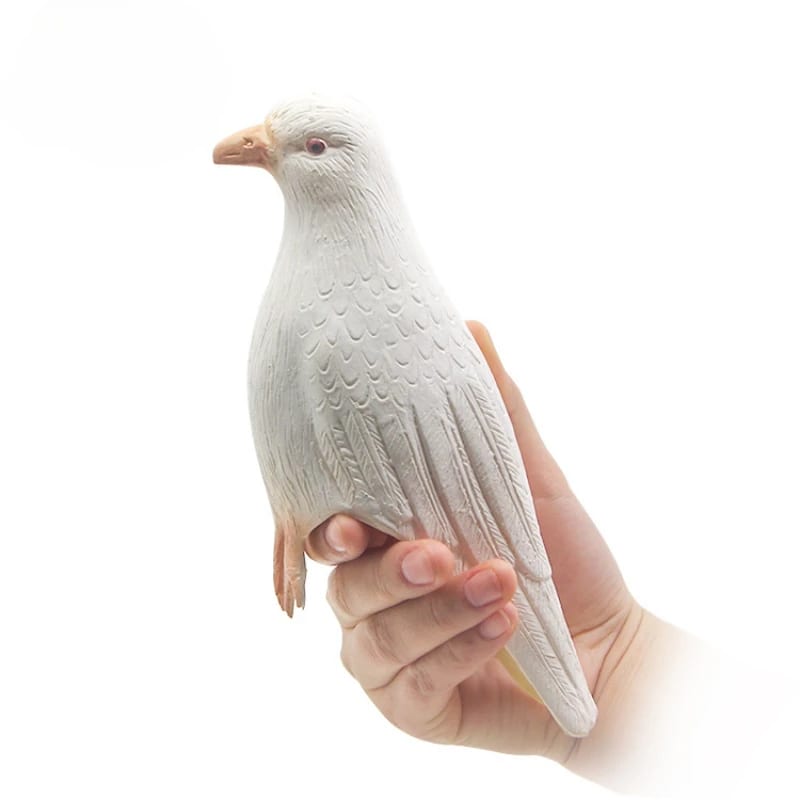
Dove Pan — Silver, 24cm
$80.99Intermediate
A pan is shown empty, something is burned in it, the lid goes on — and what comes out is alive, or at least was never going to fit.
What they see
A shallow metal pan is shown on both sides and inside. Paper, or a splash of spirit, goes in and is lit; the flame is real and the room can smell it.
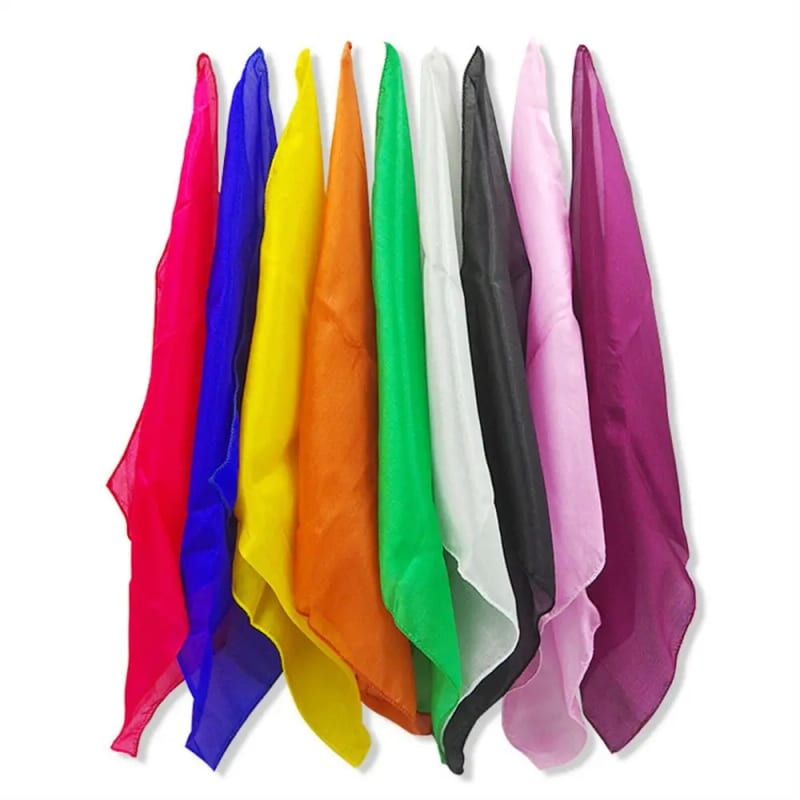
The lid goes on, comes off, and the fire has become something else — a dove, a rabbit, a heap of silks, a cake. The pan is immediately shown empty again.
It is one of the few effects where the contrast does the work. Fire, then something living, in a container the audience watched being shown empty four seconds earlier.
Provenance
Standard stage apparatus from the late nineteenth century onward, sold by every major dealer through the twentieth. No single inventor is credited and the design has barely changed.
Its place in the repertoire has, though. Live-animal productions were once the expected finish and are now the exception — a working performer today is far more likely to produce silks, sponge balls or a cake, which travels better and raises no questions at the venue.
Learning it
The pan does the work. What takes practice is the fire and the handling around it.
Mechanically this is among the easiest stage effects to perform and among the easiest to perform badly: the pan is shown too quickly, the load is obvious in the lid, or the flame is treated as an afterthought rather than the thing the audience is actually watching.
If you are producing anything live, that is a separate undertaking with its own responsibilities, and most performers should start with silks.
What you need
Next
Appearance
A bouquet that was not there a second ago — spring flowers that fill a hand, or a bare stick that blooms along its length.
Appearance
Squares of fine silk produced from nowhere, vanished, knotted, coloured and changed — the material that makes stage production possible.
Appearance
A walking cane arrives in an empty hand with a crack like a whip — the fastest production in magic and the standard opener for a century.