Robert-Houdin: The Clockmaker Who Became the Father of Modern Magic
Nov 14, 2026 · The Editors
Jean-Eugène Robert-Houdin: the French clockmaker who became the father of modern magic, his theatre in Paris, his mystery clocks and automata, his famous effects, and Houdini's tribute and feud.
Jean-Eugène Robert-Houdin (1805–1871) was a French clockmaker who became the most influential magician of the nineteenth century, and he is often called the father of modern magic. He moved magic from fairgrounds into an elegant theatre, performed in evening dress instead of a wizard's robe, and built mechanical marvels that audiences could not explain. The young Ehrich Weiss admired him so much that he named himself Houdini after him.
The clockmaker of Blois
Robert-Houdin was born Jean-Eugène Robert in Blois, in the Loire Valley, in 1805. His father was a watchmaker, and the son trained in the trade. He later added the name of his first wife, Cécile Houdin, to his own — hence Robert-Houdin.
He became fascinated with conjuring as a young man and spent years building automata — mechanical figures that wrote, drew, sang or performed — alongside clocks. That mechanical skill shaped everything he did on stage.
The mystery clocks
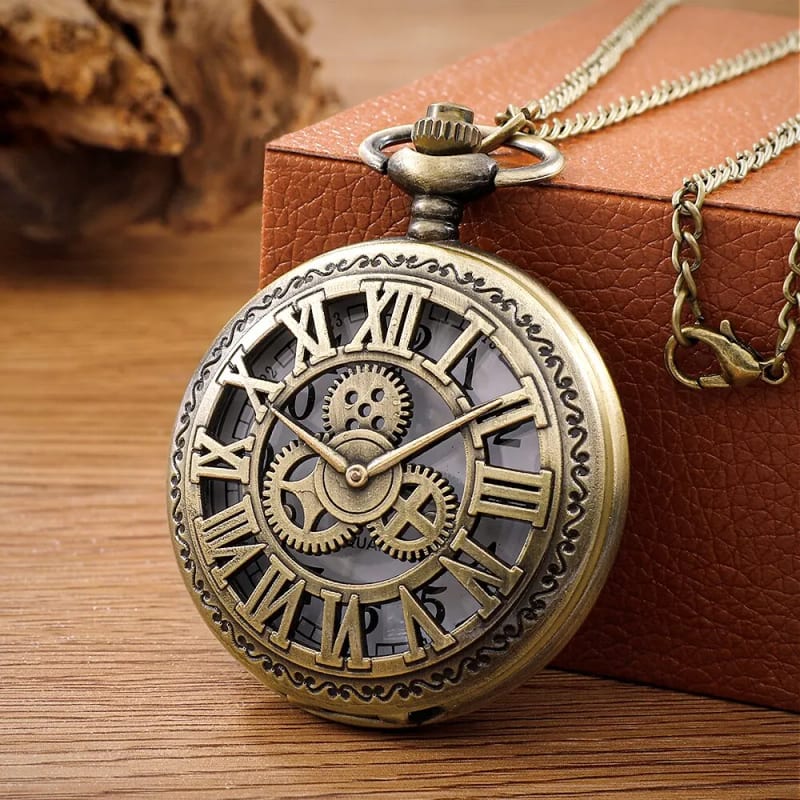
Among his most famous creations were his mystery clocks. In the best known, the hands sit on a clear glass dial with no visible connection to any mechanism, yet they keep perfect time. The clocks were sold to wealthy buyers and are now prized by collectors and museums. They are the reason "Robert-Houdin clock" is still searched today.
The Théâtre Robert-Houdin
In 1845 he opened his own small theatre in Paris, at the Palais-Royal, presenting a show called the Soirées Fantastiques. Its style was new:
- Evening dress instead of robes and pointed hats — the magician as a gentleman.
- An elegant salon set, with simple-looking furniture and few large props.
- Wit and presentation, not just apparatus.
That model — the well-dressed performer in a formal setting — became the standard for magicians for the next hundred years. Robert-Houdin is often credited with the idea that a magician is an actor playing the part of a magician.
His famous effects
Robert-Houdin presented effects that audiences talked about for decades. Among them:
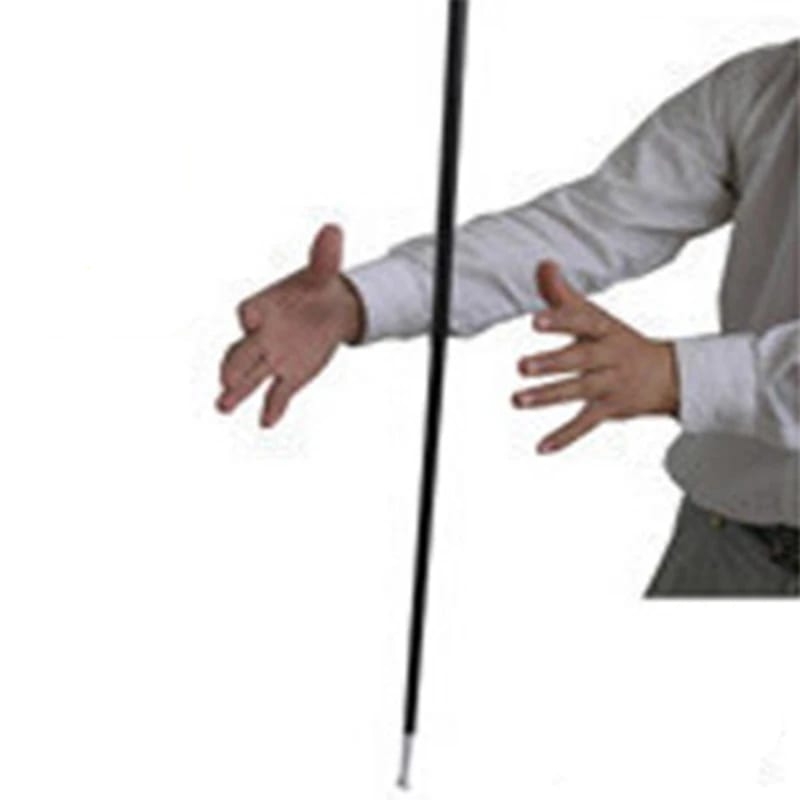
- Ethereal Suspension (1847) — his son appeared to float in the air, resting on a single pole at his elbow. It was presented as a demonstration of the newly fashionable anaesthetic ether.
- The Light and Heavy Chest — a small box that anyone could lift, until the magician said otherwise.
- The Inexhaustible Bottle — a bottle that poured any drink the audience asked for.
- Second sight — a mind-reading act with his son.
The mission to Algeria
In 1856 the French government asked him to perform in Algeria, then a French colony, to show that French "magic" was stronger than that of local holy men who were stirring revolt. He presented the Light and Heavy Chest among other effects. He described the trip later in his memoirs, which are lively but not always reliable.
Retirement, books and Méliès
Robert-Houdin retired from the stage and returned to Blois, where he wrote his memoirs (1858) and books on conjuring that magicians still read. In 1888, after his death, the film pioneer Georges Méliès bought the Théâtre Robert-Houdin and used it for his own magic shows — and later for some of the earliest films.
Today his home town has the Maison de la Magie Robert-Houdin, a museum of magic opposite the royal château of Blois.
Houdini's tribute — and feud
Ehrich Weiss took the stage name Houdini in tribute. But after visiting France, he turned against his hero, and in 1908 published The Unmasking of Robert-Houdin, accusing him of taking credit for other people's inventions. Historians since have generally judged Houdini's attack unfair, though Robert-Houdin's memoirs do flatter their author.
For more of magic's great names, see famous magicians in history and the history of the magic wand. For the craft that made him, see pocket watch history.
Frequently asked questions
Who was Robert-Houdin?
Jean-Eugène Robert-Houdin was a French clockmaker and magician (1805–1871), widely called the father of modern magic. He opened his own theatre in Paris in 1845.
Is Houdini named after Robert-Houdin?
Yes. Ehrich Weiss took the stage name Houdini in tribute to Robert-Houdin, though he later wrote a book attacking him.
What is a Robert-Houdin mystery clock?
A clock whose hands sit on a clear glass dial with no visible connection to a mechanism, yet keep time. They are among his most famous creations.
Where is the Robert-Houdin museum?
In Blois, France, his home town. The Maison de la Magie Robert-Houdin stands opposite the royal château.