Raven Symbolism: Norse Mythology, the Bible, Death and Meaning
Nov 23, 2026 · The Editors
The raven stands for thought, memory, prophecy and death. What ravens mean in Norse mythology, the Bible, Celtic and Native American stories, and in literature.
The raven symbolises thought, memory, prophecy and death. In Norse mythology two ravens bring the god Odin news of the world; in the Bible ravens are messengers and providers; in many cultures they are linked with battlefields and the dead; and in Pacific Northwest stories Raven is a clever trickster who brought light to the world. Few birds carry so many meanings.
Raven symbolism in Norse mythology
Odin, the chief of the Norse gods, has two ravens: Huginn ("thought") and Muninn ("memory" or "mind"). In the Old Norse poem Grímnismál, Odin says they fly over the world each day and return to tell him what they have seen, and he worries that one day they will not come back. This is why Odin is sometimes called the raven god.
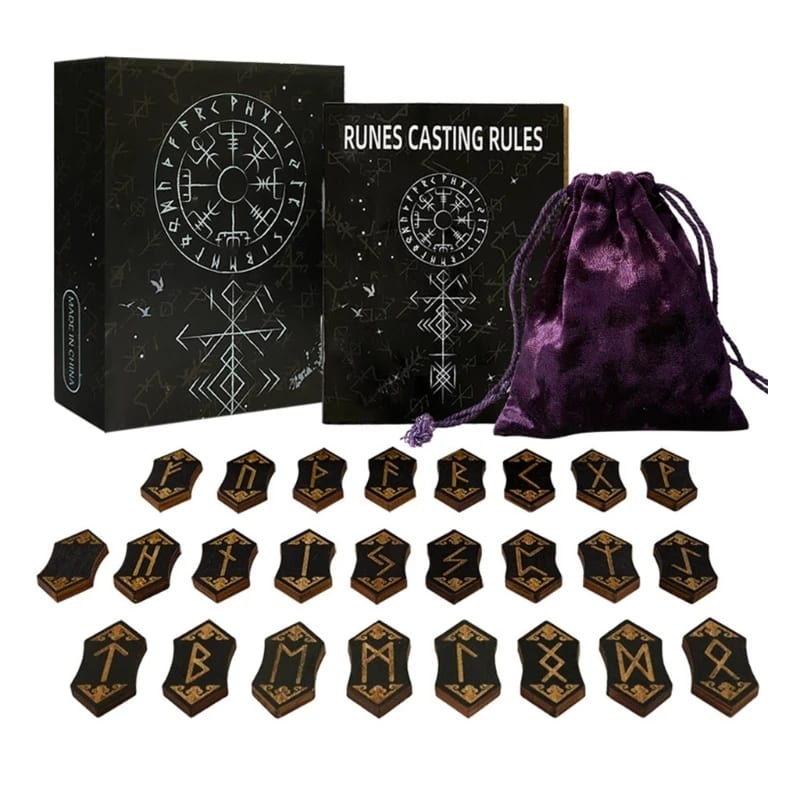
Ravens also flew on Viking battle standards, the so-called raven banner, and Odin's link with wisdom ties them to the runes: the Ansuz rune is Odin's rune of words and insight. Our Elder Futhark runes meanings covers all 24, and an Elder Futhark rune set has them carved in wood. See also the vegvisir meaning.
Raven symbolism in the Bible
Ravens appear several times in the Bible:
- Noah sends out a raven from the ark before the dove, and it flies back and forth until the waters dry up (Genesis 8).
- Ravens feed the prophet Elijah, bringing him bread and meat in the wilderness (1 Kings 17).
- Jesus points to ravens as creatures God feeds though they neither sow nor reap (Luke 12).
So in Christian reading the raven can mean God's providence, though ravens are also listed among the unclean birds in Leviticus.
Raven symbolism and death
Ravens are scavengers, and they have followed armies and gathered on battlefields for as long as there have been wars. That is why so many cultures link them with death and the afterlife. In Irish myth, the war goddess the Morrígan can take the form of a crow or raven over the battlefield. In European folklore a raven at the window was sometimes taken as a sign of death.
The bird is not only gloomy, though. In much of this lore the raven is a go-between: a messenger between the living and the dead, or between gods and people. For other death symbols, see skull symbolism and grim reaper symbolism.
Raven symbolism in Native American stories
Among peoples of the Pacific Northwest coast, including the Haida and Tlingit, Raven is a central figure: a trickster and a creator, greedy and clever, who in a well-known story steals the sun, moon and stars and releases light into the world. Traditions vary between nations, so it is best to read each people's own tellings rather than one "Native American meaning".
Ravens in literature and legend
- Edgar Allan Poe's "The Raven" (1845), in which a raven answers every question with "Nevermore", made the bird a symbol of grief and loss.
- The ravens of the Tower of London are kept under a legend that if they ever leave, the kingdom will fall. Several are always kept there.
Raven meaning, spiritually
Put together, spiritual readings of the raven usually mean: pay attention, a message is coming, or something is ending so something can begin. It is a bird of intelligence, real ravens are among the cleverest of birds, and of transformation.
Frequently asked questions
What does a raven symbolise?
Thought, memory, prophecy and death, and in many stories a messenger between worlds.
What are Odin's ravens called?
Huginn and Muninn, meaning thought and memory. They fly over the world each day and report back to Odin.
What does a raven mean in the Bible?
Ravens appear as messengers and as signs of God's care: Noah sends one from the ark, and ravens feed Elijah in the wilderness.
Is a raven a sign of death?
In much European folklore, yes, because ravens gathered on battlefields. But in many traditions they are also messengers, tricksters and symbols of wisdom.