Gifts for Philosophers: Ideas for Thinkers, Students and Stoics
Nov 24, 2026 · The Editors
Gifts for philosophers and philosophy students: a memento mori coin, a decision coin for the free-will debate, a Go board, a Newton's cradle for causation, and a quill for the notebook.
In this guide
Shopping for Christmas? Order by Saturday, December 5. Our items ship from our supplier and most arrive within two weeks.
The best gifts for philosophers are objects that start a conversation: a memento mori coin for the Stoic, a yes or no coin for the free-will debate, a Newton's cradle for anyone arguing about cause and effect, a Go board for long thinking, or a quill for the notebook. Philosophers already own the books. What delights them is a thing that carries an idea.
The philosopher's real problem
Everyone gives philosophers a book, or a mug with a quotation that has been misattributed to Socrates. They have the books (or will choose their own), and they will notice the misattribution. A good gift for a thinker is a physical object with an argument hidden in it, something to hold while they think.
The test: does it start a conversation?
Ask: would they pick it up and say "this reminds me of…"? A memento mori coin passes. A slogan T-shirt does not.
On mortality: memento mori
The Stoics told themselves to remember death, not to be gloomy, but to use the day well. A memento mori coin with the grim reaper, in a display case is the perfect desk object for a student of Seneca or Marcus Aurelius. The hourglass and reaper coin in antique silver is a pocket version. See memento mori meaning, memento vivere and stoic gifts.
On free will: the decision coin
A yes or no decision coin is a lovely joke for a philosopher. Who is deciding, you or the coin? It is also a good prop for Buridan's ass, the thought experiment of a donkey placed exactly between two equal bales of hay, unable to choose, which starves. The puzzle is named after the medieval philosopher Jean Buridan, though it does not appear in his surviving writings. See also is a coin flip 50/50?
On cause and effect: Newton's cradle
A steel Newton's cradle is a desk-sized demonstration of causation: one ball strikes, one ball leaves the other end. For a philosopher interested in determinism, or in David Hume's argument that we never actually see causation, only one event following another, it is the ideal fidget. See how a Newton's cradle works.
On strategy and thought: Go and chess
Go is a game of simple rules and immense depth, played in China for well over two thousand years and admired by thinkers ever since. A folding Go set suits a seminar room or a kitchen table. See Go vs chess.
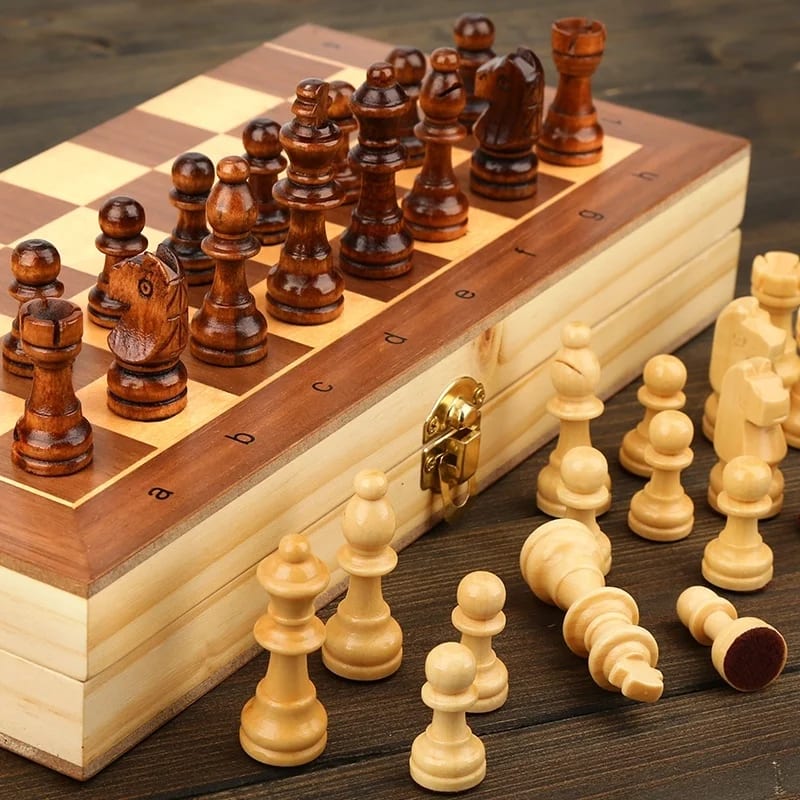
A magnetic folding chess set travels to the café for the endless argument that turns into a game.
For the notebook
Philosophers think by writing. A feather quill pen makes copying out a favourite passage a small ceremony. See quill pen history.
Gifts for philosophy students
For students, keep it small and personal: the decision coin, the pocket memento mori coin, or the quill. For a graduation, the cased reaper coin or a Go set. See also PhD graduation gifts and gifts for professors.
Ideas by school of thought
| They admire… | Give |
|---|---|
| The Stoics | Memento mori coin |
| Existentialists | The decision coin ("you are condemned to be free") |
| Hume and the empiricists | Newton's cradle |
| Eastern philosophy | A Go set |
| Everyone | A quill and a good notebook |
Christmas gifts for philosophers
At Christmas, pair the memento mori coin with a card quoting Marcus Aurelius on making good use of the time you have. It is the right kind of seasonal reflection.
Frequently asked questions
What is a good gift for a philosopher?
An object that carries an idea, such as a memento mori coin, a yes or no decision coin, a Newton's cradle or a Go set.
What do you get a philosophy student?
Something small and personal: a pocket memento mori coin, a decision coin, or a quill for their notes.
What is a good gift for someone who likes Stoicism?
A memento mori coin, which carries the Stoic reminder to make good use of each day.
Who said "you are condemned to be free"?
Jean-Paul Sartre, in his 1945 lecture Existentialism Is a Humanism, usually translated "man is condemned to be free".
Mentioned above
Products in this guide
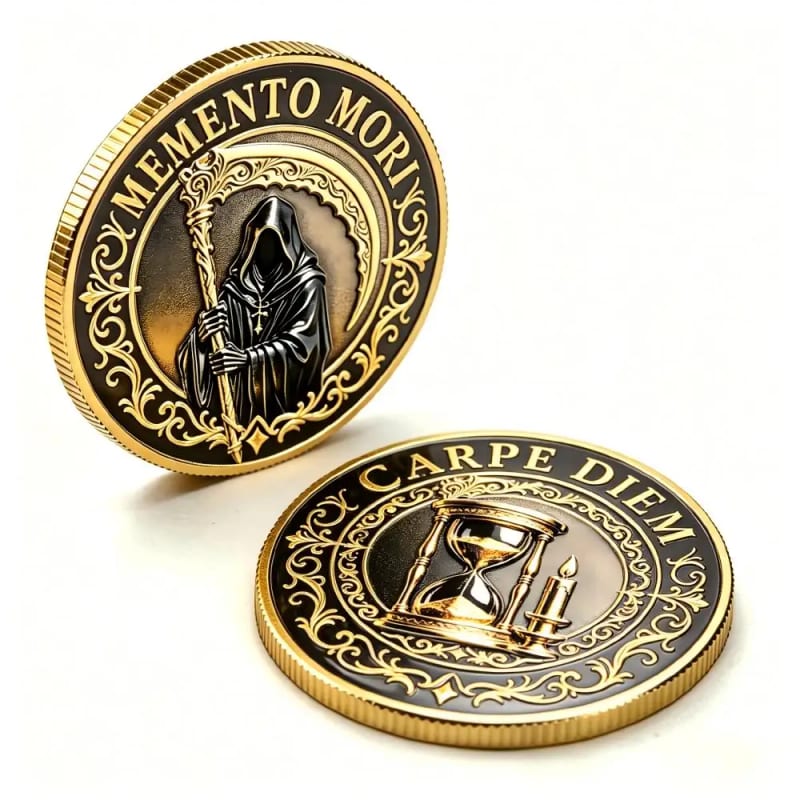
Memento Mori Coin — Grim Reaper, Gold, in Display Case

Yes or No Decision Coin — Gold-Tone
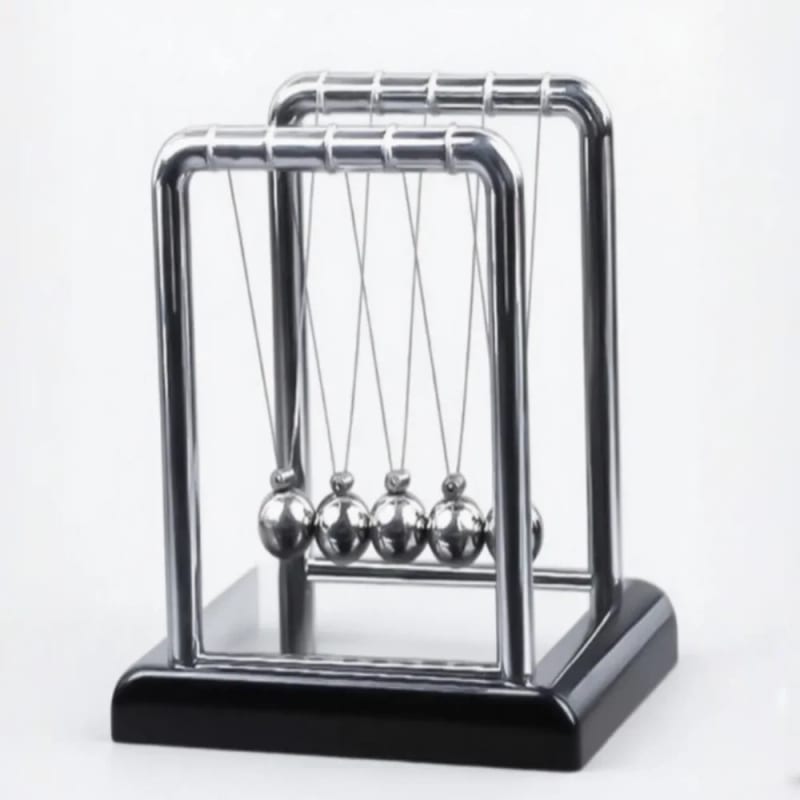
Newton's Cradle — Steel Balls, Desk Size
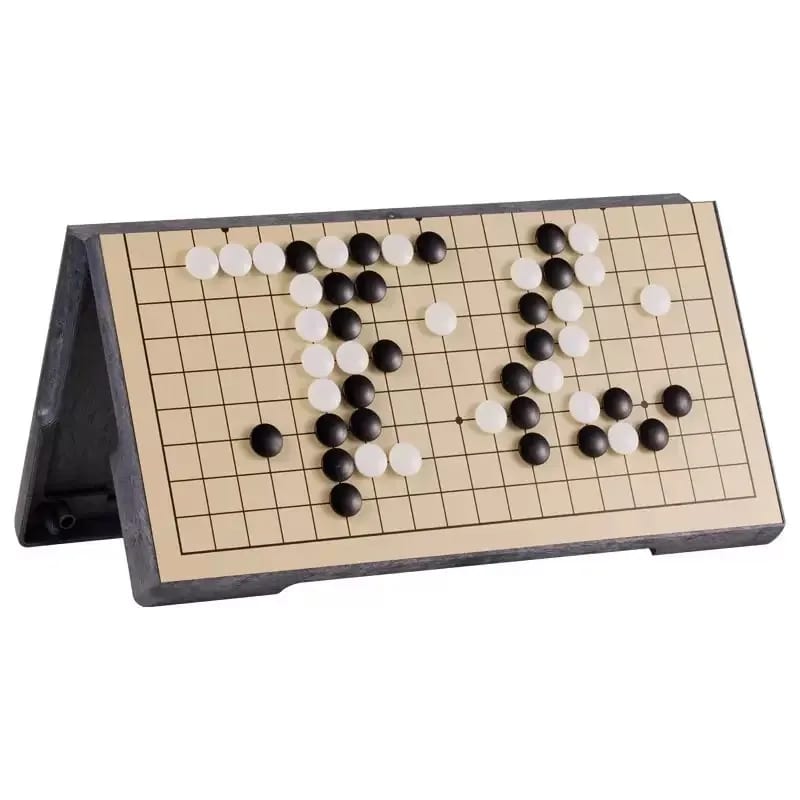
Go Set — Folding Board and Stones
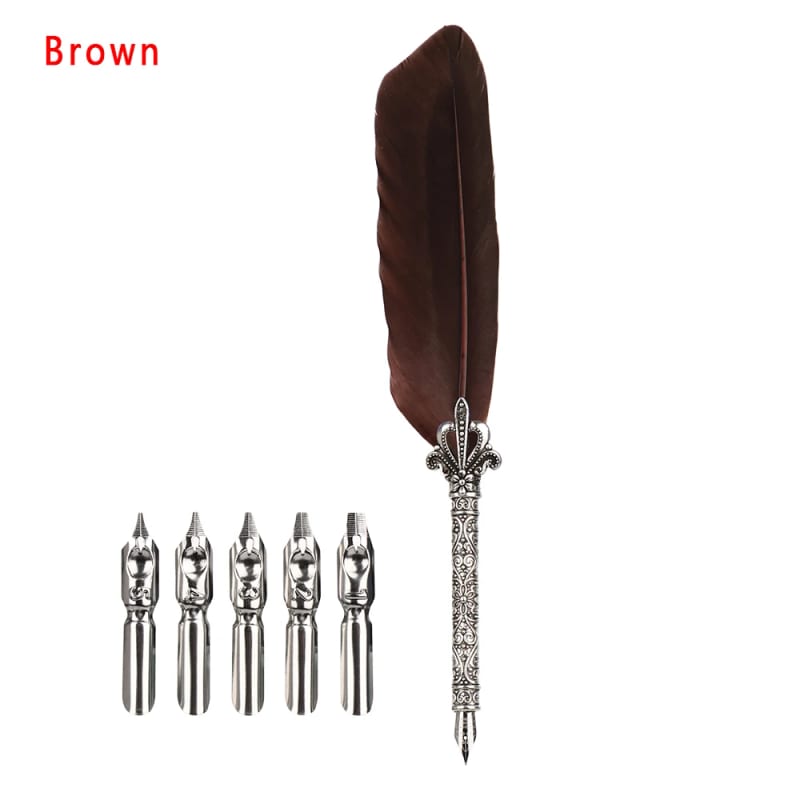
Feather Quill Pen — Five Nibs, Brown
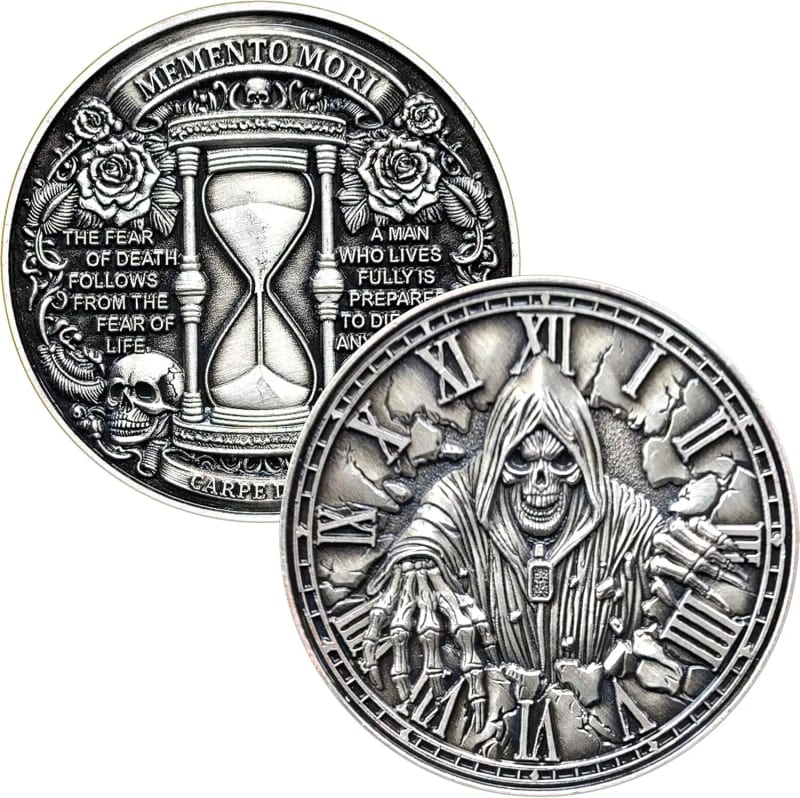
Memento Mori Coin — Hourglass and Reaper, Antique Silver