Go vs Chess: Which Is Harder, and How Do They Compare?
Nov 7, 2026 · The Editors
Go versus chess: how the two games differ, the numbers behind their complexity, which is harder to learn and to master, what happened when computers beat the best humans at each, and which to learn first.
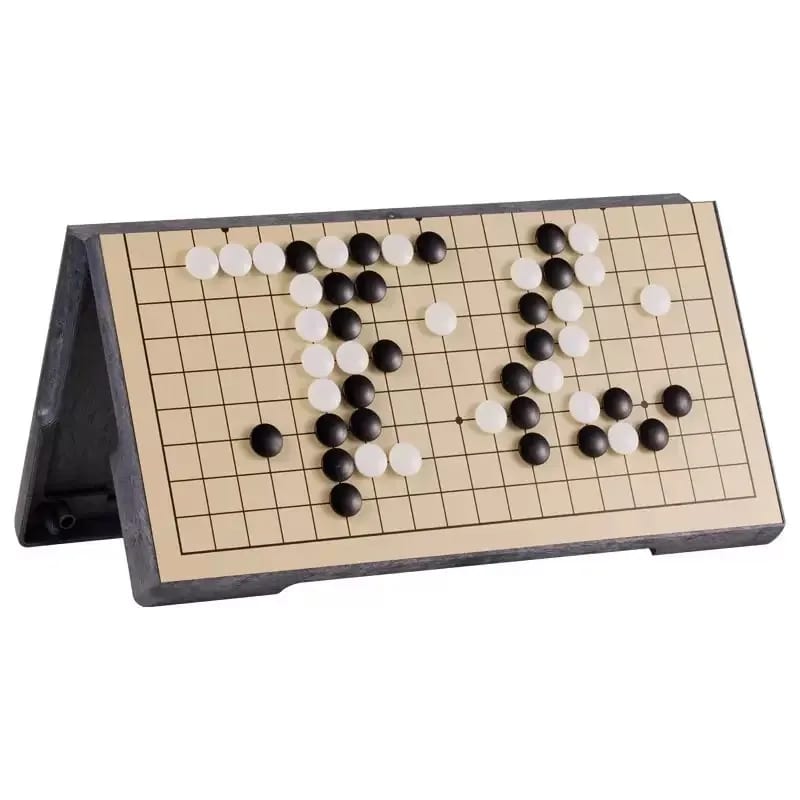
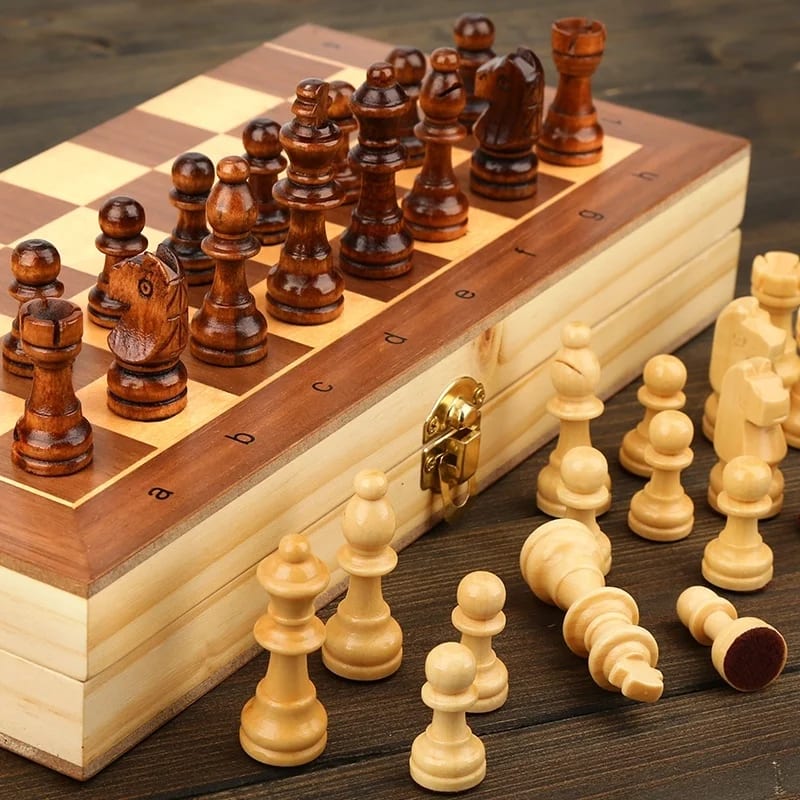
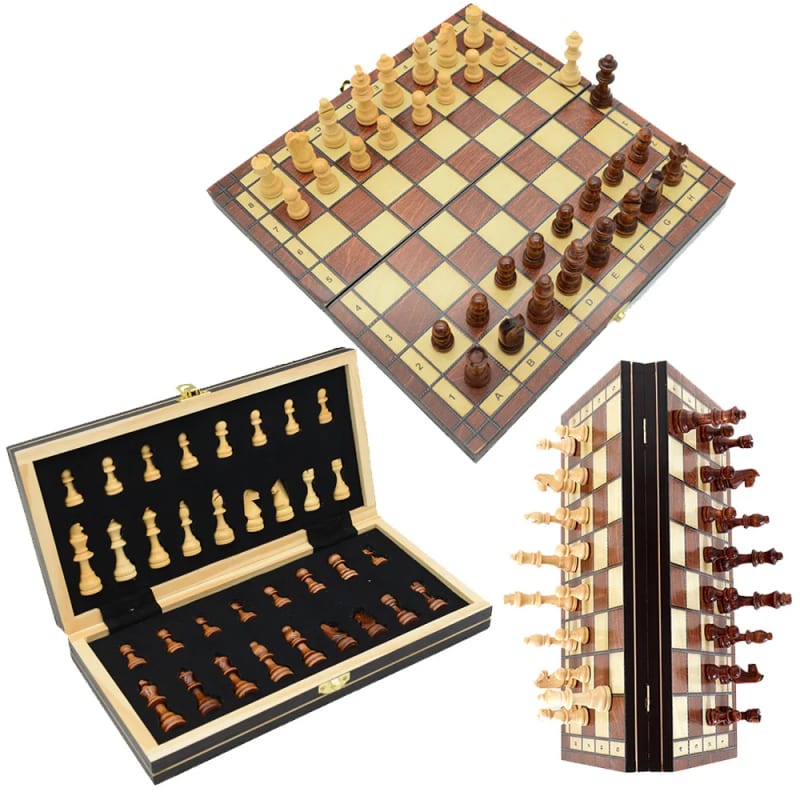
Chess and go are the two great strategy games of the world: chess in the West, go — wéiqí in Chinese, igo in Japanese, baduk in Korean — in East Asia. Both are two-player games of perfect information, with no luck at all. Beyond that, they could hardly be more different.
The basics side by side
| Chess | Go | |
|---|---|---|
| Origin | India, around the 6th century | China, at least 2,500 years ago |
| Board | 8 × 8 squares | 19 × 19 lines — 361 points |
| Pieces | 16 each, six kinds | Unlimited identical stones |
| Pieces move? | Yes | No — stones are placed and stay |
| Goal | Checkmate the King | Surround more territory |
| Typical game | 40 moves each | 100–150 moves each |
| Draws | Common at top level | Very rare |
Which is more complex?
In raw numbers, go is enormously bigger:
- Legal positions: chess has around 10⁴⁴. Go has about 2 × 10¹⁷⁰ — far more than the number of atoms in the observable universe.
- Possible games: chess is often estimated at 10¹²⁰ (the "Shannon number"); go at around 10³⁶⁰.
- Choices per move: about 35 in a typical chess position, about 250 in go.
What happened when computers played
- Chess: IBM's Deep Blue beat world champion Garry Kasparov in 1997, largely by calculating millions of positions a second.
- Go: brute force was hopeless — there were too many moves to search. Not until 2016 did DeepMind's AlphaGo beat Lee Sedol, one of the strongest players of the era, 4–1, using neural networks that learned to judge positions much as a human does.
Go held out nearly twenty years longer — a good measure of its depth.
Which is harder?
It depends what you mean:
- To learn: go is simpler. It has essentially two rules — stones are captured when surrounded, and you may not repeat a position — where chess has six different pieces and several special moves. Go rules for beginners · Chess rules for beginners.
- To play well as a beginner: chess is easier. A beginner in chess can see what is happening; a beginner in go often cannot tell who is winning.
- To master: both take a lifetime. Neither is "solved", and professionals in both train from childhood.
How they feel
Chess is a battle. Two armies, a king to protect, tactics and sudden attacks. A single mistake can end the game.
Go is a negotiation. Every stone is placed for good, and the board slowly fills with territory. Players give ground in one place to gain it in another, and you can lose a fight and still win the game.
Which should you learn first?
- If you like tactics and clear goals: chess.
- If you like patience, balance and big-picture thinking: go.
- If you can't decide: learn both. Go on a 9 × 9 board takes ten minutes a game and teaches the basics quickly; chess with a clock is a perfect quick game.
A folding go board and a travel chess set together take less shelf space than a single boxed game, and give you two of the deepest games ever invented.