What Is Street Magic? Busking, TV Street Magic and the Classic Effects
Nov 16, 2026 · The Editors
Street magic is magic performed for passers-by in public, either as busking for a crowd and a hat or as the walk-up style made famous on television. Its history, the classic effects and how it differs from close-up magic.
Street magic is magic performed in public for people who did not come to see a show. It comes in two forms: busking, where a performer gathers a crowd on a street or square, performs a set and passes the hat; and walk-up street magic, made famous on television, where a magician approaches strangers and performs a single effect for them. A street magician is anyone who performs this way.
Busking: the oldest form
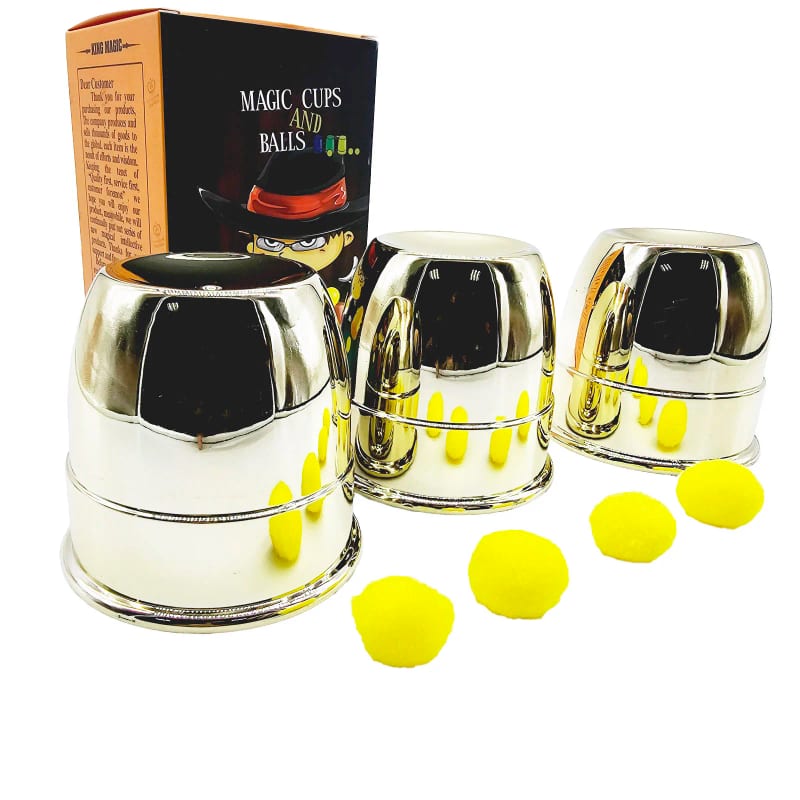
Magicians have performed in markets, fairs and town squares for centuries, long before theatres. The classic street act is the cups and balls: three cups, a few balls and a crowd that grows as the routine builds. Busking magicians learn to stop people walking past, hold them for a full show, and finish with a reason to pay.
Busking is hard: noise, wind, people moving, no stage and no lighting. A good busker builds a crowd in a circle, uses a loud, simple patter, and saves the strongest effect for last. Many cities require a permit for street performing, so a busker checks local rules first.
TV street magic
In 1997, David Blaine's television special Street Magic changed the image of magic. Instead of a stage and a spotlight, the camera followed a quiet performer approaching strangers on the street and filmed their reactions. The real show was the audience's faces.
The format spread worldwide and inspired a generation of performers. It favoured effects that need no table and can be done standing up with ordinary objects: cards, coins, a borrowed ring, a spoon.
Classic street magic effects
| Effect | What the audience sees |
|---|---|
| Cups and balls | balls appear, vanish and travel between three cups |
| Sponge balls | soft balls multiply in a spectator's own hand |
| Card magic | a chosen card rises, changes or appears somewhere impossible |
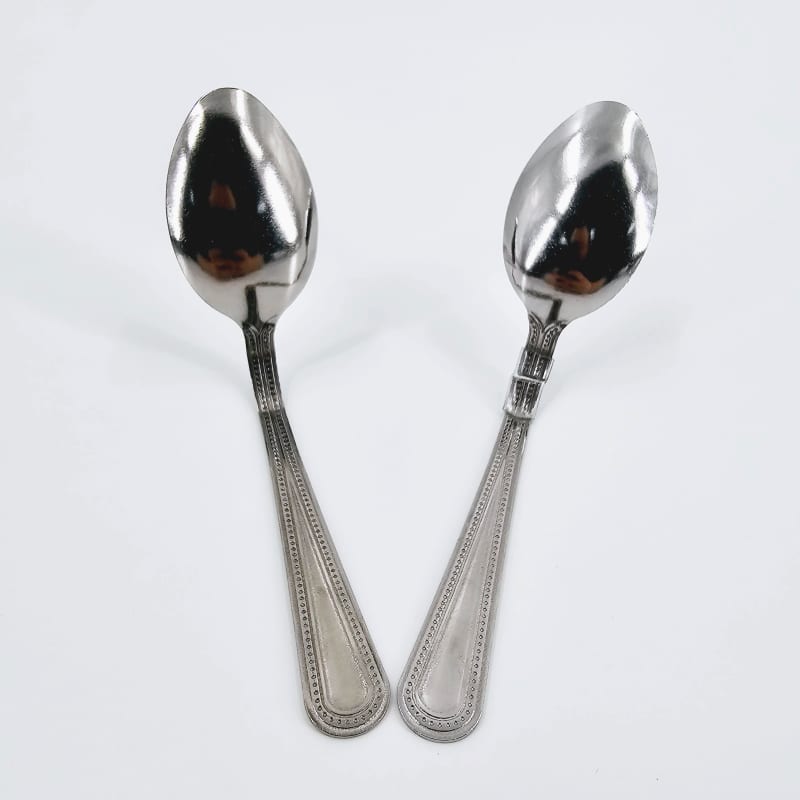
| Metal bending | a spoon or key seems to bend and soften |
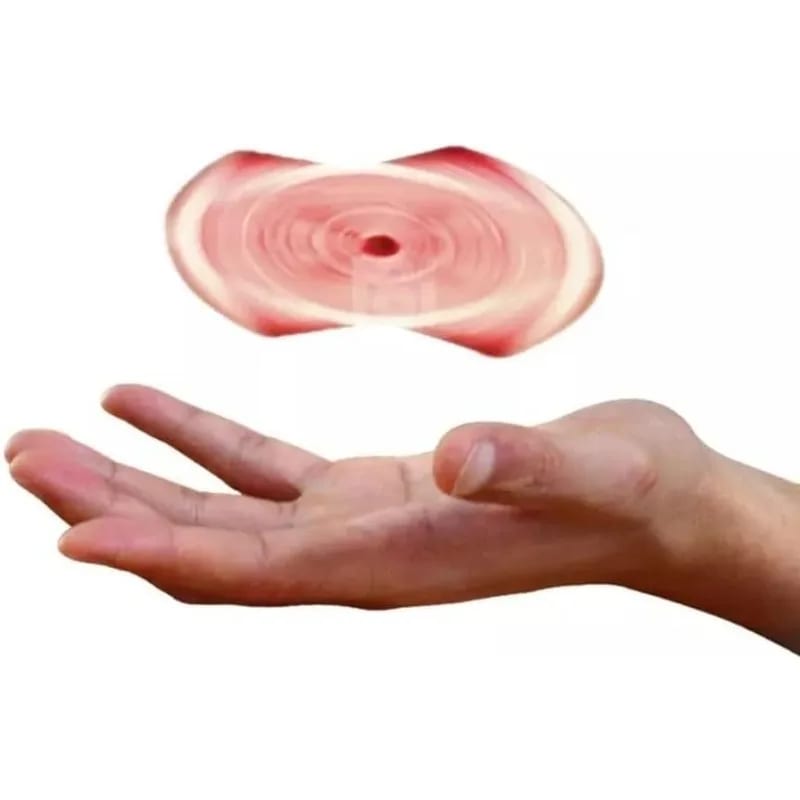
| Animated card | a card moves on its own on the fingertips |
See the cups and balls and sponge balls effect pages, and spoon bending for the history of that classic.
Street magic vs close-up magic
Street magic is a kind of close-up magic, but the setting changes everything:
- No table. Effects must work standing up, often in the hands.
- Audience who did not choose to watch. The first seconds must earn their attention.
- Angles all round. People stand on every side.
- Short sets. For walk-up magic, one or two strong effects; for busking, a full show that builds.
Stage and parlour magic, by contrast, play to an audience that has sat down to watch. See what is parlor magic.
Starting out
A street performer needs a few strong effects that can be carried in a pocket and reset quickly. A chrome cups and balls set, red sponge balls and a pair of bending spoons cover three classics. Practise every routine in front of a mirror and then friends before taking it outside. Our guide to how to become a magician covers the path.
Frequently asked questions
What is a street magician?
A magician who performs in public for passers-by, either busking for a crowd and tips or approaching people with walk-up magic.
What is the difference between street magic and close-up magic?
Street magic is close-up magic done in public, standing, for people who did not plan to watch. It needs effects that work in the hands, from any angle, and grab attention fast.
Who made street magic popular?
Busking magicians have performed for centuries, but David Blaine's 1997 TV special Street Magic made the walk-up style famous worldwide.
Do street magicians need a permit?
In many cities, yes. Rules on street performing differ by city, so check with the local council or city hall before performing.