Spoon Bending: The History of the Famous Mentalism Effect
Nov 11, 2026 · The Editors
The history of spoon bending: how a cutlery feat became the most famous image in mentalism, the 1970s television era, spoon bending parties, the skeptics, and spoon bending as a magic effect today.
Spoon bending is the performance in which a metal spoon appears to soften, droop and bend while it is gently stroked or simply watched. It became world-famous in the 1970s as a claimed demonstration of psychic power, and today it is performed by magicians and mentalists as entertainment — the most recognisable image in mentalism. This page covers its history and its place in magic; it does not explain how it is done.
Is spoon bending real?
No controlled scientific test has ever shown that anyone can bend metal with their mind. The performances are conjuring, and honest performers today present them as a mystery, not as a claim of real psychic power. That does not make the effect less striking: seeing a spoon droop slowly in someone's fingers is genuinely unsettling, which is why it has lasted.
Spoon bending in the 1970s
Spoon bending as we know it took off in the early 1970s, when an Israeli performer, Uri Geller, became internationally famous for bending cutlery, stopping watches and other feats he presented as psychic. He appeared on television around the world, and viewers wrote in to say their own cutlery had bent at home.
The most famous moment came in 1973 on an American late-night talk show, whose host was himself a former amateur magician. The show's staff, on advice from the magician and skeptic James Randi, supplied their own props and kept Geller away from them beforehand. Nothing happened. The appearance became a landmark in the long argument between believers and skeptics.
Randi and other magicians went on to reproduce spoon bending and similar feats by ordinary conjuring, and spent years arguing that such performances should be presented as magic.
Spoon bending parties
In the 1980s, "PK parties" (PK for psychokinesis) became a fad in the United States. Groups gathered to try to bend cutlery together, often shouting at their spoons to encourage them. Many guests went home with twisted forks and spoons; none of it held up under controlled conditions.
Spoon bending in film and culture
The bent spoon has become shorthand for the uncanny. The best-known example is a scene in a 1999 science-fiction film in which a young character bends a spoon and tells the hero that there is no spoon. Spoon bending also turns up regularly in comedy, advertising and music videos.
Spoon bending as a magic effect today
For a performer, the bending spoon is both a gift and a challenge. Everyone knows the image, so it needs no explanation. But everyone also thinks they know how it is done, so the best performers present it quietly, almost as an afterthought, letting the spoon bend at the edge of attention rather than announcing it.
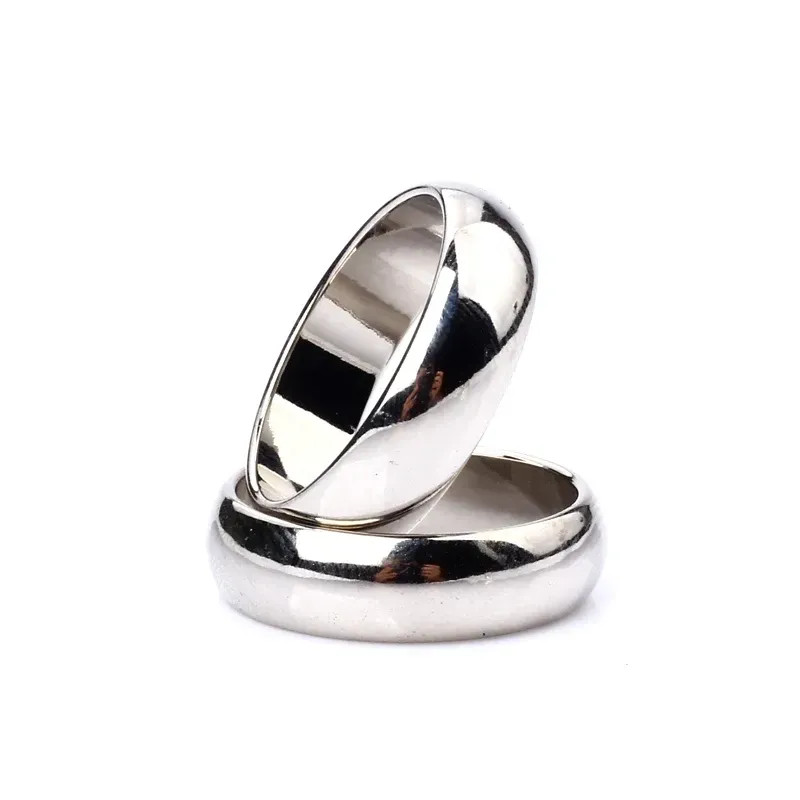
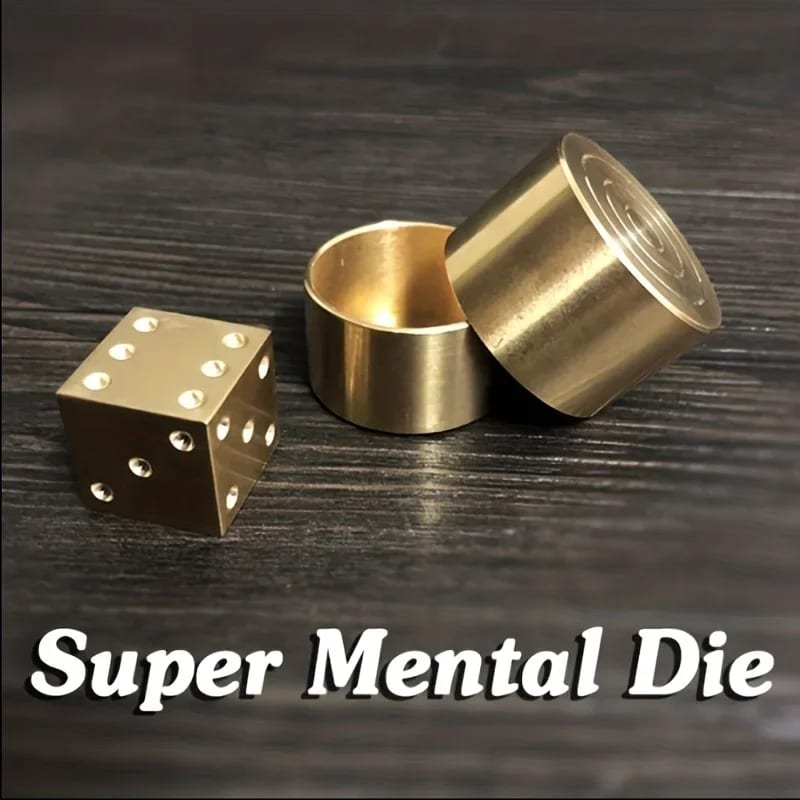
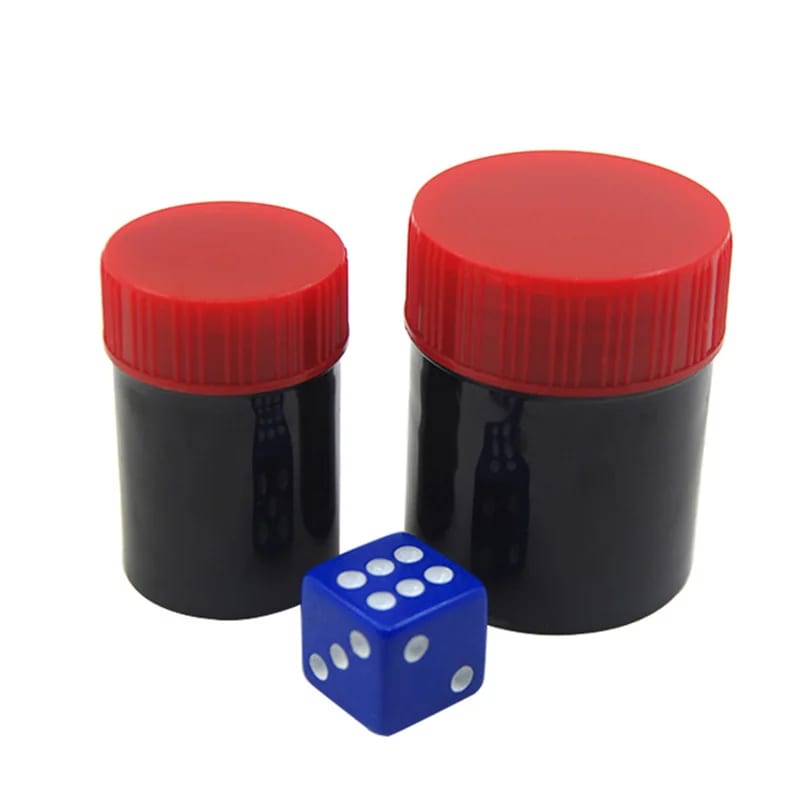
It sits naturally in a metal-bending or mentalism set, alongside effects such as the PK ring, a mind-reading die and a listening box. If you are deciding which branch of magic suits you, see mentalism vs traditional magic, and for the people who shaped the art, famous magicians in history.
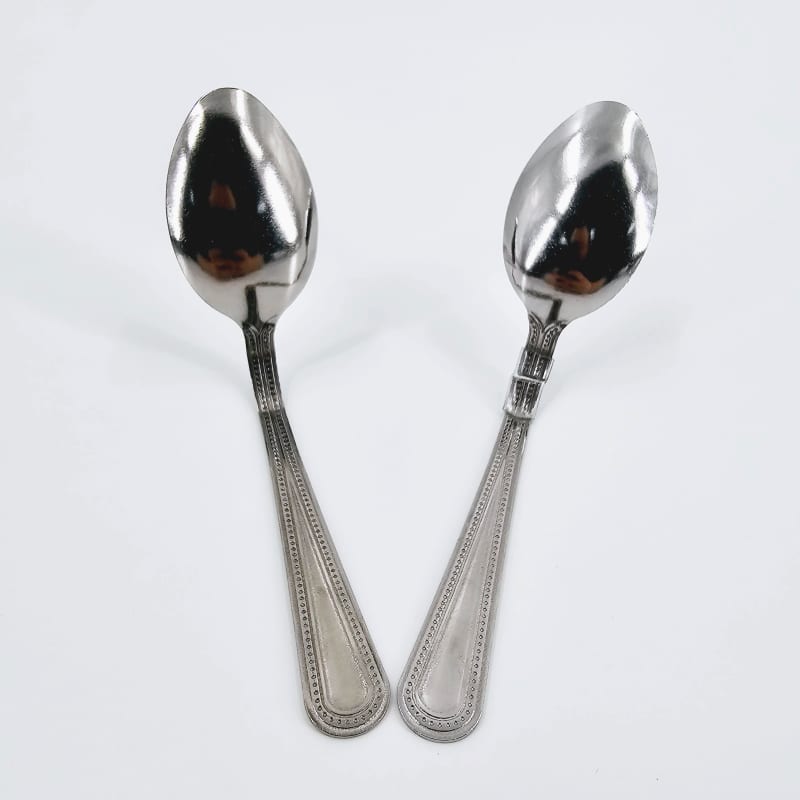
A pair of bending spoons is the classic starting point: one to hand out, one to perform with.
Frequently asked questions
Is spoon bending real?
No. No controlled test has ever shown real psychokinesis. Spoon bending is a conjuring effect, performed as entertainment.
Who made spoon bending famous?
The performer Uri Geller made spoon bending world-famous on television in the early 1970s.
What was a spoon bending party?
A 1980s fad, also called a PK party, in which groups tried to bend cutlery together. None of the results held up under controlled conditions.
Can I learn spoon bending as a magic trick?
Yes. Spoon bending is a classic mentalism effect, and the bending spoons we sell come with instructions.