Pulling a Rabbit Out of a Hat: History and Meaning
Nov 10, 2026 · The Editors
Where the magic trick of pulling a rabbit out of a hat came from, the 19th-century magicians often credited with it, why rabbits and top hats, what the saying means today, and where the trick stands now.
A magician holding up a rabbit by the ears, a top hat in the other hand, is the most famous image in magic — so famous that most people have never actually seen it done live. The trick is real and has a long history, and the phrase it gave English is used every day by people who have never been to a magic show.
What "pulling a rabbit out of a hat" means
As a saying, to pull a rabbit out of a hat means to produce a surprising solution to a problem, usually at the last moment and when everyone had given up. A manager who saves a deal on the final day, or a team that scores in the last minute, has pulled a rabbit out of a hat. It suggests something close to impossible, done with apparent ease.
Where the trick came from
No one can say for certain who did it first. Two names come up most often:
- Louis Comte, a French magician of the early 19th century, is often credited with the first recorded rabbit-from-a-hat performance.
- John Henry Anderson, the Scottish magician billed as "The Great Wizard of the North", is widely credited with making it popular in the mid-1800s.
Some historians also point to the strange 1726 case of Mary Toft, an English woman who claimed to give birth to rabbits and fooled several doctors before the hoax was exposed. Whether it inspired magicians is debated, but it made rabbits a national joke at the time.
For more of the performers who shaped magic, see famous magicians in history.
Why a rabbit, and why a top hat?
The hat came first. In the 19th century, the top hat was everyday wear for a gentleman, so a magician could borrow one from the audience. Producing anything from a hat that had just been on a stranger's head was astonishing.
The rabbit suited the hat: small, quiet, calm when handled, and very visible once it appeared. A rabbit is also bigger than anyone expects to fit in a hat, which is the whole point.
The image stuck so firmly that by the 20th century a rabbit and a top hat had become the symbol for magic itself, used on posters, shop signs and cartoons.
The trick today
Today very few working magicians produce live rabbits. Looking after a live animal on the road is demanding, and many performers and audiences prefer to keep animals out of shows altogether.
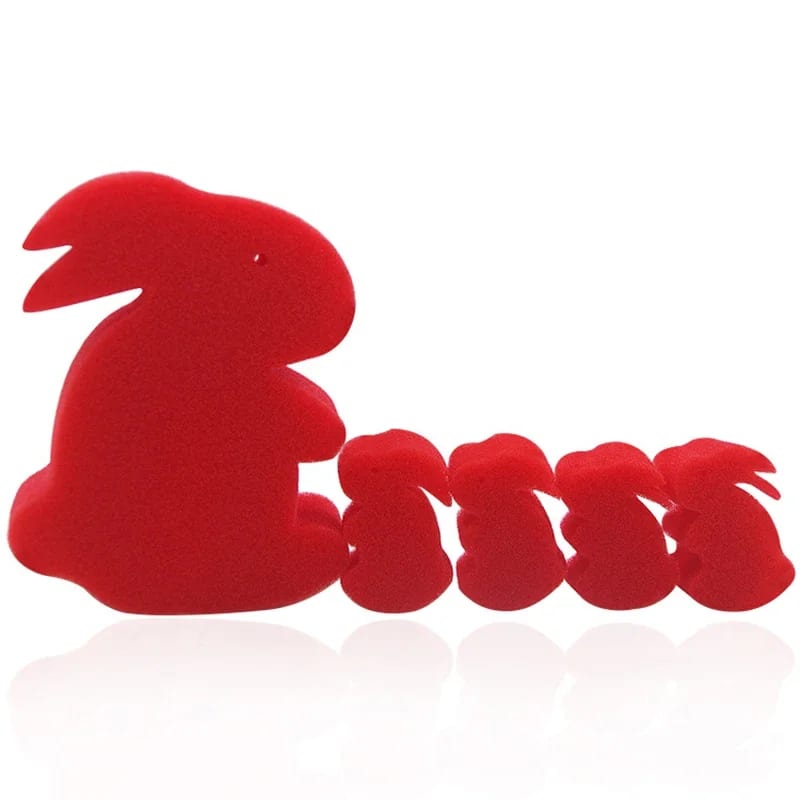
Most modern magicians keep the joke and lose the animal. Sponge rabbits are a favourite: they squash flat, spring back, and can multiply in a spectator's own hand, so the surprise happens to them rather than in the magician's hat. Magic's tradition of secrecy applies here as everywhere — the history is for sharing; how it is done is not.
Related tricks with the same spirit
| Classic | What the audience sees |
|---|---|
| Rabbit from a hat | An empty hat produces a live rabbit |
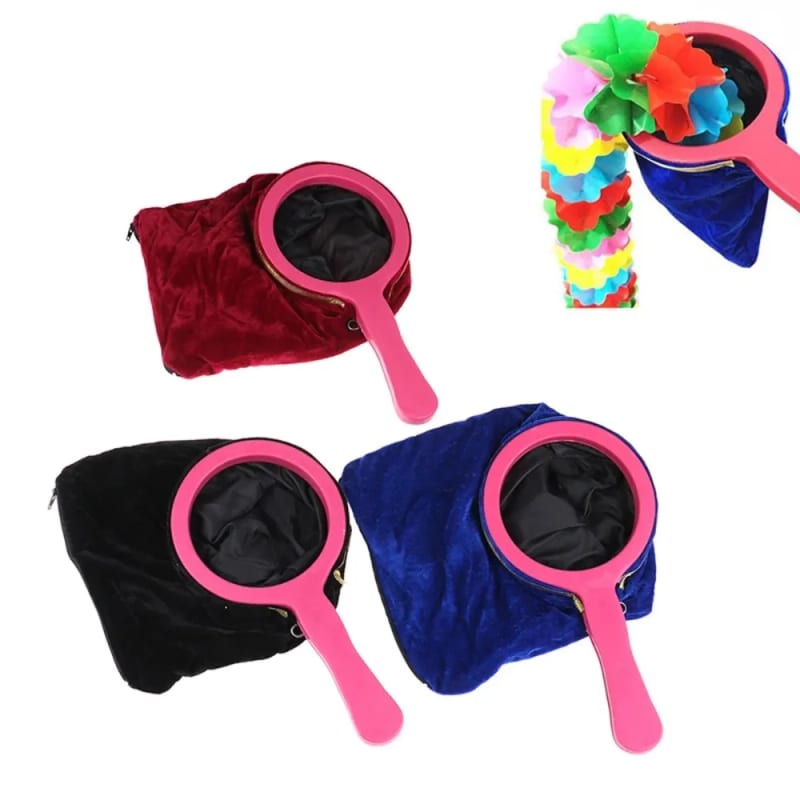
| Dove pan | A lidded pan is shown empty; when the lid lifts, something has appeared inside |
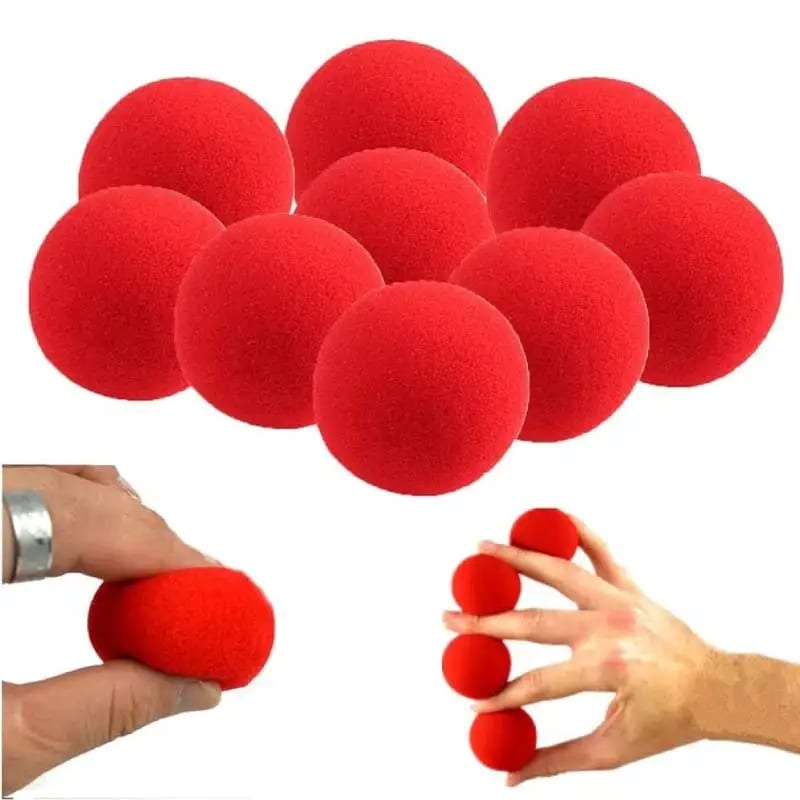
| Sponge balls | Soft balls multiply and travel between hands |
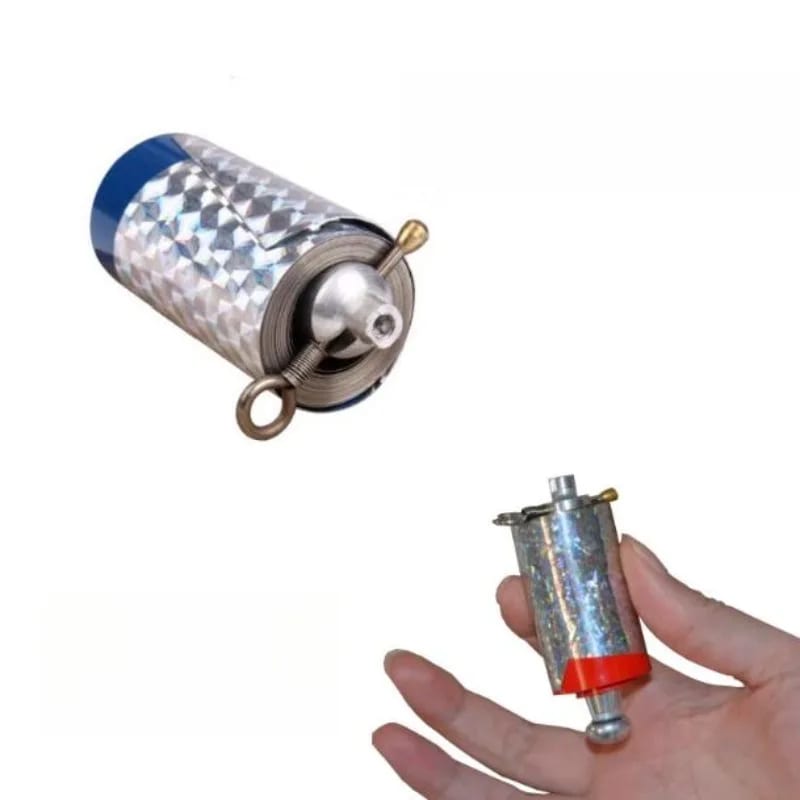
| Appearing cane | A cane appears from nowhere |
A rabbit you can carry
Our multiplying sponge rabbits are the modern pocket version of the old classic: one large rabbit and four small ones in soft, high-density sponge. If you are new to magic, our beginner magic tricks guide shows where a trick like this fits.