Mechanical Puzzles for Adults: The Main Types, Explained
Nov 23, 2026 · The Editors
What mechanical puzzles are and the main types collectors sort them into: put-together, take-apart, interlocking, disentanglement, sequential movement and more, with an example of each.
A mechanical puzzle is a puzzle you solve with your hands: a physical object whose pieces have to be fitted together, taken apart, freed or moved in the right order. Unlike a crossword or a sudoku, the problem is built into the thing itself. Burr puzzles, wire puzzles, puzzle boxes, tray puzzles and twisty cubes are all mechanical puzzles.
The main types of mechanical puzzle
Collectors sort mechanical puzzles into families by what you have to do to solve them. The scheme most often used follows the puzzle historian and collector Jerry Slocum. The names vary a little between sources, but these are the main types:
| Type | The task | Example |
|---|---|---|
| Put-together | assemble pieces into a shape | tray puzzles, tangrams |
| Take-apart | find how to open or dismantle it | puzzle boxes, puzzle locks |
| Interlocking | pieces lock each other in place | burrs, puzzle balls |
| Disentanglement | free a ring or loop from the rest | wire and rope puzzles |
| Sequential movement | make a long series of moves in order | twisty cubes, sliding and labyrinth puzzles |
| Dexterity | steady hands rather than logic | ball-in-maze puzzles |
| Impossible objects | work out how it was ever made | an object trapped in a bottle |
| Vexiers | a puzzle that hides a trick | a box that seems to have no opening |
Put-together puzzles
The pieces are loose and the goal is a shape. Tray puzzles are the purest form: the impossible wooden tray puzzle has plain wooden pieces that fill the tray in one arrangement, with no picture to help. A hexagon puzzle works the same way with more than one answer.
Take-apart and interlocking puzzles
Take-apart puzzles start whole. A wooden puzzle box with secret drawers only opens drawer by drawer in the right order. See puzzle boxes for adults.
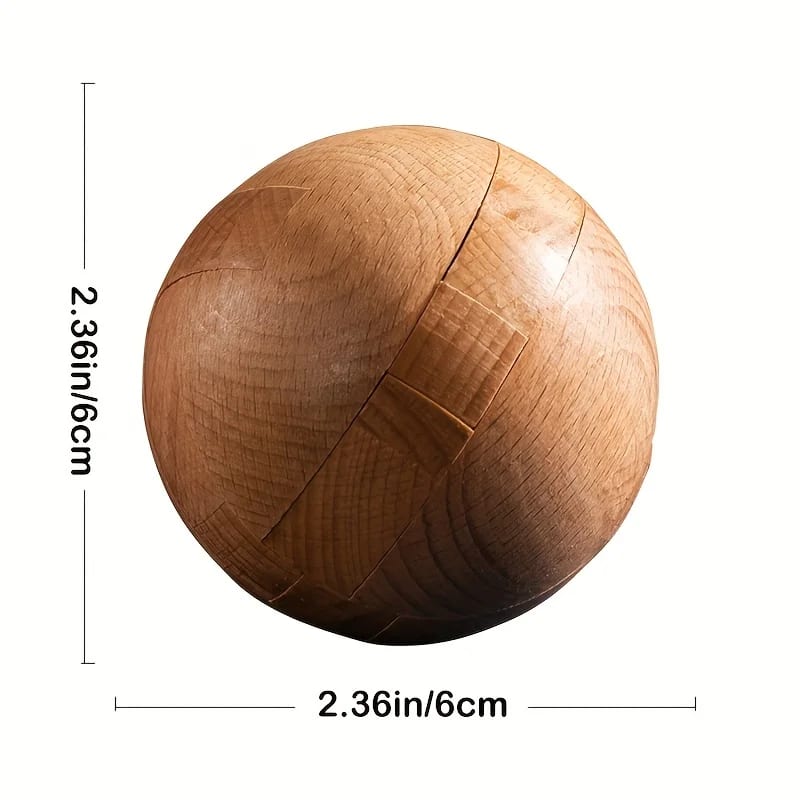
Interlocking puzzles hold themselves together. A wooden burr cube is six notched sticks that lock into a solid block, and a Kong Ming lock ball does the same in a round shape. See burr puzzles and Kong Ming lock.
Disentanglement puzzles
A ring, a loop or a string has to come free. Metal wire puzzles look welded shut until you find the move, and a rope and ring puzzle traps a ring on a cord. See wire puzzles and rope and ring puzzle.
Sequential movement puzzles
These ask for a long chain of moves in the right order. The magnetic speed cube is the most famous example; see how to solve a 3×3 cube. The waiter's tray labyrinth puzzle is another: the pieces have to be worked along the wooden board, step by step, until they come free. Its seller rates it high difficulty, and it looks good on a desk while it defeats you.
Mechanical puzzles for adults: where to start
| If they like... | Start with |
|---|---|
| geometry and shapes | a tray puzzle |
| hidden compartments | a puzzle box |
| fiddling while thinking | wire puzzles |
| long, patient problems | a labyrinth or burr |
| speed and algorithms | a speed cube |
Wooden puzzles make good desk objects even half solved; see wooden puzzles for adults and brain teaser puzzles for adults.
Mechanical puzzle collecting
Mechanical puzzles have a serious following. Collectors meet at the International Puzzle Party, a gathering held each year, and designers enter new puzzles in a design competition held alongside it. Many collectors specialise in one family, such as burrs or puzzle boxes.
Frequently asked questions
What is a mechanical puzzle?
A puzzle solved by handling a physical object: fitting pieces together, taking it apart, freeing a part or making moves in sequence.
What are the types of mechanical puzzles?
The main families are put-together, take-apart, interlocking, disentanglement, sequential movement, dexterity, impossible objects and vexiers.
Is a twisty cube a mechanical puzzle?
Yes. It is a sequential movement puzzle, solved by a series of moves in the right order.
What is the hardest type of mechanical puzzle?
It depends on the design rather than the type. High-level burrs and sequential movement puzzles can take hundreds of moves, and some take experienced solvers weeks.
Mentioned above
Products in this guide
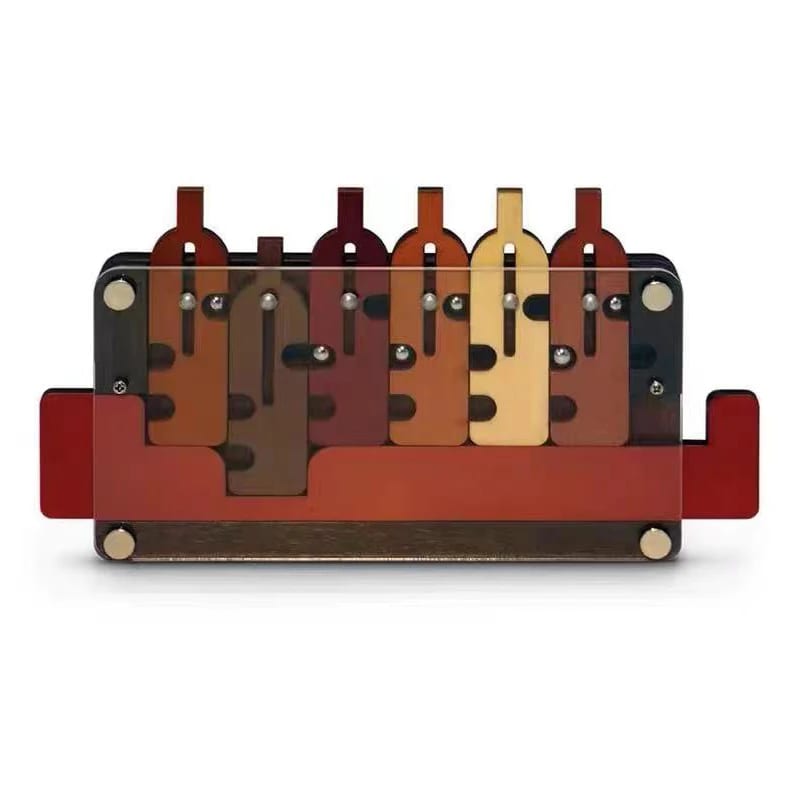
Waiter's Tray Labyrinth Puzzle — Wooden
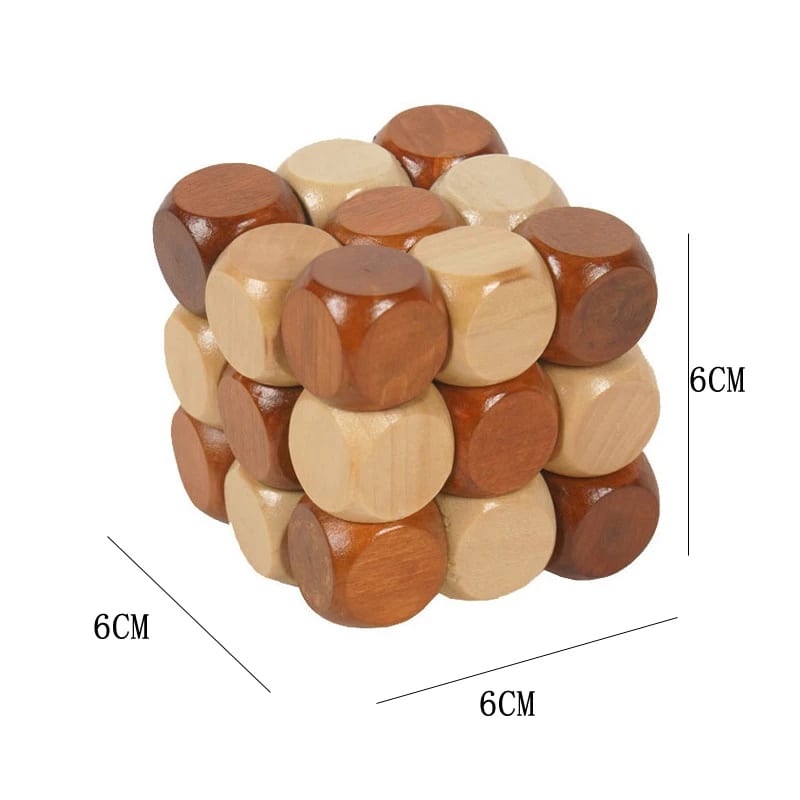
Wooden Puzzle Cube — Interlocking Burr
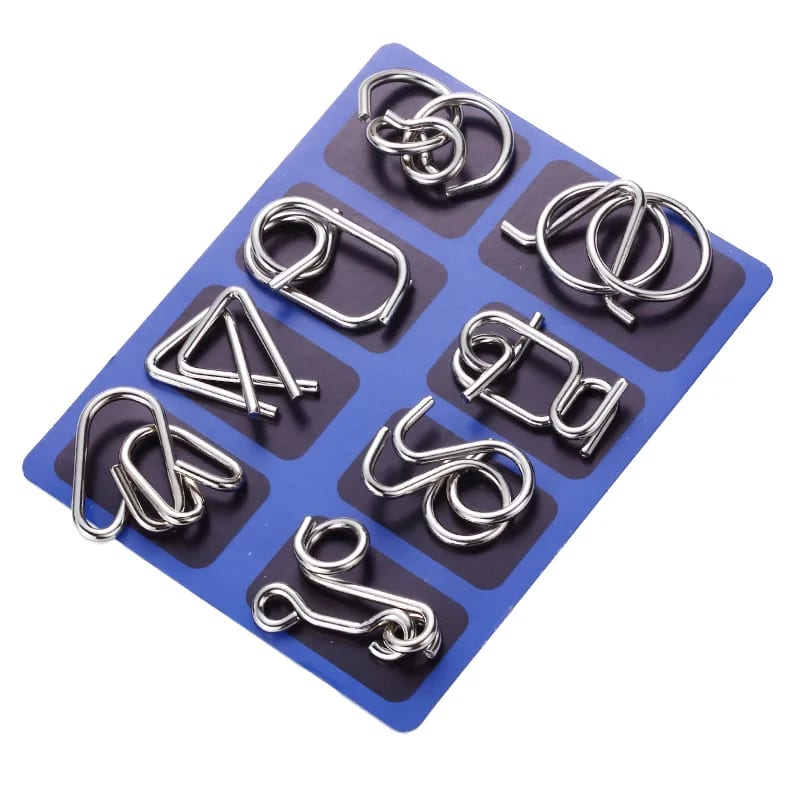
Metal Wire Puzzles — Set of Eight
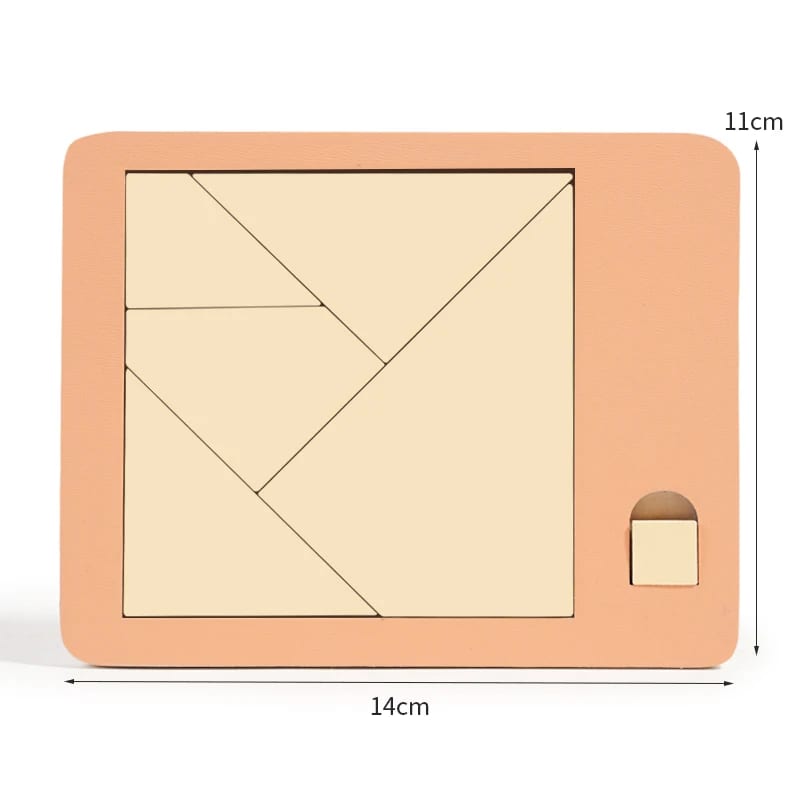
Impossible Wooden Tray Puzzle
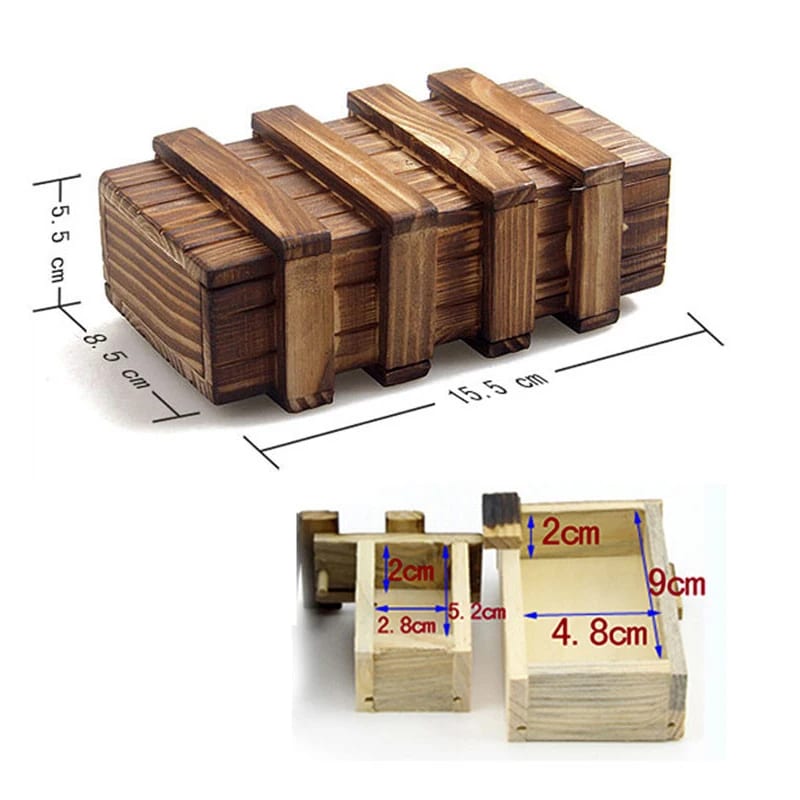
Wooden Puzzle Box with Secret Drawers

Magnetic Speed Cube — 3×3
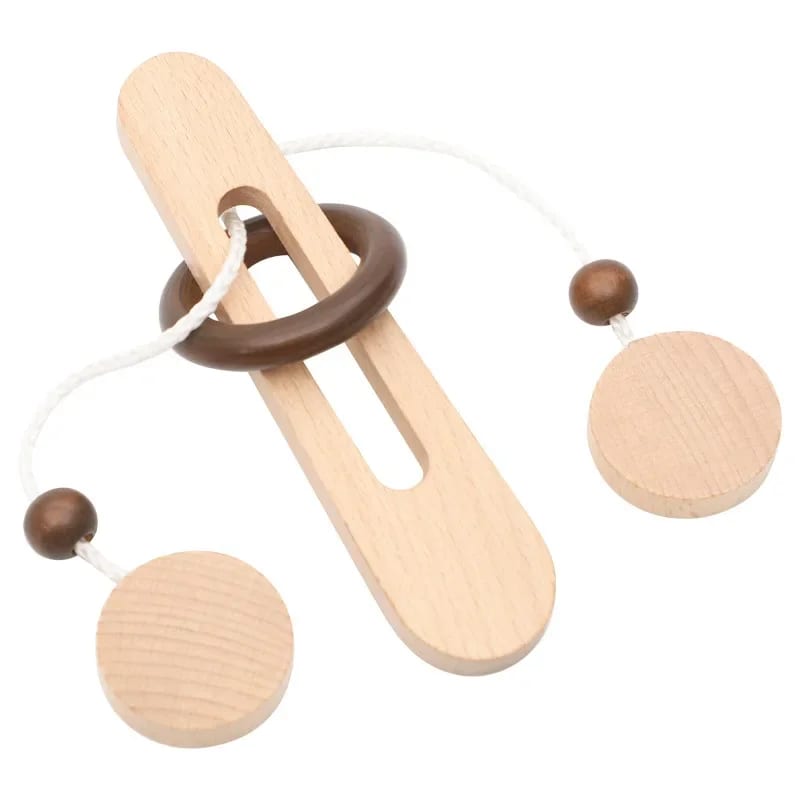
Rope and Ring Puzzle — Wooden