Lucky Charms Around the World and What They Mean
Nov 7, 2026 · The Editors
Lucky charms around the world: four-leaf clovers, horseshoes, Chinese coins, koi, dragons, the evil eye, the beckoning cat, the elephant, the scarab and more — where each comes from and what it means.
Every culture has its lucky objects. Some keep away bad luck, some draw good fortune in, and a few do both. Here are the best known, and where they come from.
Europe and the Americas
Four-leaf clover — Ireland and beyond. Rare enough to feel like a gift from fate. Each leaf is said to stand for faith, hope, love and luck. Four-leaf clover meaning.
Horseshoe — Britain and America. Iron was thought to repel evil, and a horseshoe has seven nails, a lucky number. Hung points up, it holds luck in; points down, it pours luck onto whoever walks beneath.
Acorn — Britain. A small acorn grows into a great oak. Carried for long life and strength, and carved on window blinds to keep lightning away.
Pig — Germany. A Glücksschwein — lucky pig — is a New Year's gift, often in marzipan. A pig meant a well-fed winter.
Chimney sweep — Central Europe. Touching a sweep, or a sweep's button, brings luck, because a clean chimney meant a safe, warm house.
China
Coins. Round coins with a square hole — the round heaven around the square earth — are tied with red string and hung in homes and businesses to draw wealth. Feng shui coins.
Koi. The koi that swims upstream and leaps the Dragon Gate becomes a dragon: perseverance rewarded. Koi fish meaning.
Dragon. Not a monster but a bringer of rain, power and good fortune. Chinese dragon symbolism.
The number 8. Its word, bā, sounds like the word for prosperity. Phone numbers, addresses and dates with an 8 are prized.
Red. The colour of luck and celebration — red envelopes of money at New Year, red string on charms.
Japan
Maneki-neko — the beckoning cat. A cat figure with a raised paw, waving customers and fortune into shops. A raised left paw invites customers; a raised right paw invites money.
Daruma. A round doll with blank eyes. Paint in one eye when you set a goal and the other when you achieve it.
The Middle East and Mediterranean
The evil eye (nazar). A blue glass eye that stares back at envy and ill-wishing. Seen everywhere in Turkey and Greece — on doors, in cars, on babies' clothes.
The hamsa. An open hand with an eye in the palm, used across North Africa and the Middle East for protection.
The scarab — ancient Egypt. The dung beetle rolling its ball was seen as the sun rolled across the sky: rebirth and protection.
South and Southeast Asia
Elephant. Linked with Ganesha, the remover of obstacles. An elephant figure with its trunk raised is said to bring good luck into the home.
Luck at the card table
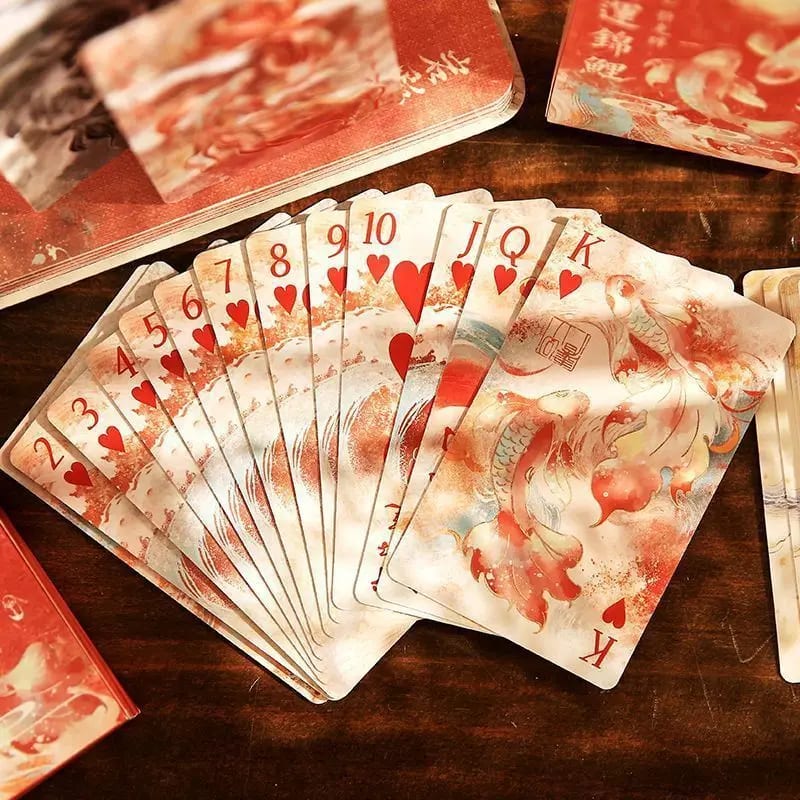
Card and dice players are the most superstitious people of all. The lucky charm of choice is something small and heavy that sits on the table: a lucky coin on top of the cards, a coin turned in the fingers between hands, a deck with koi or dragons on the back. Whether it works is beside the point. It is a reason to tell the story.
Mentioned above
Products in this guide
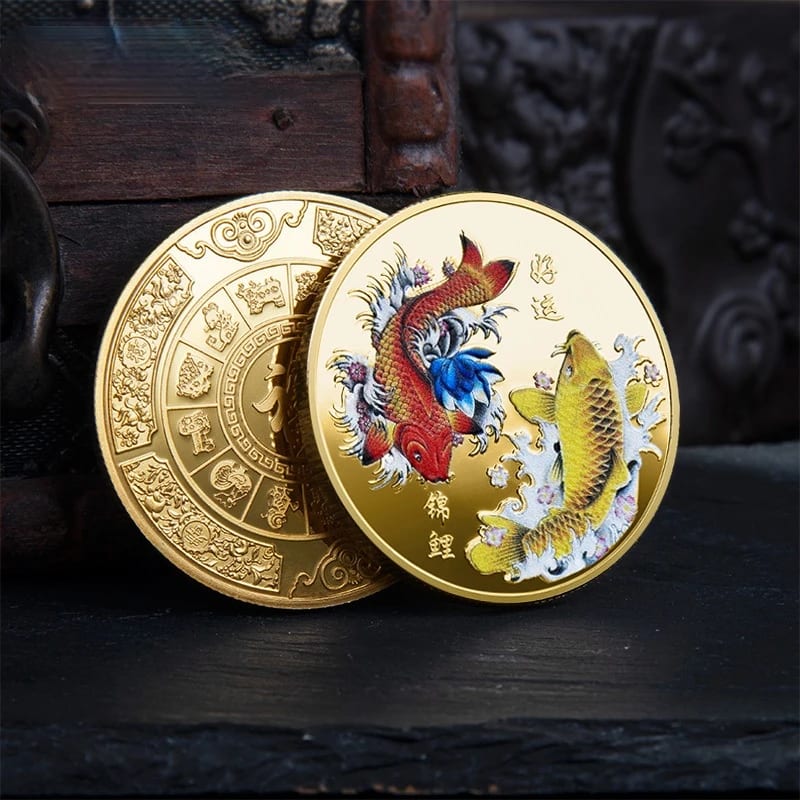
Good Luck Koi Coin — Gold-Tone, Enamelled
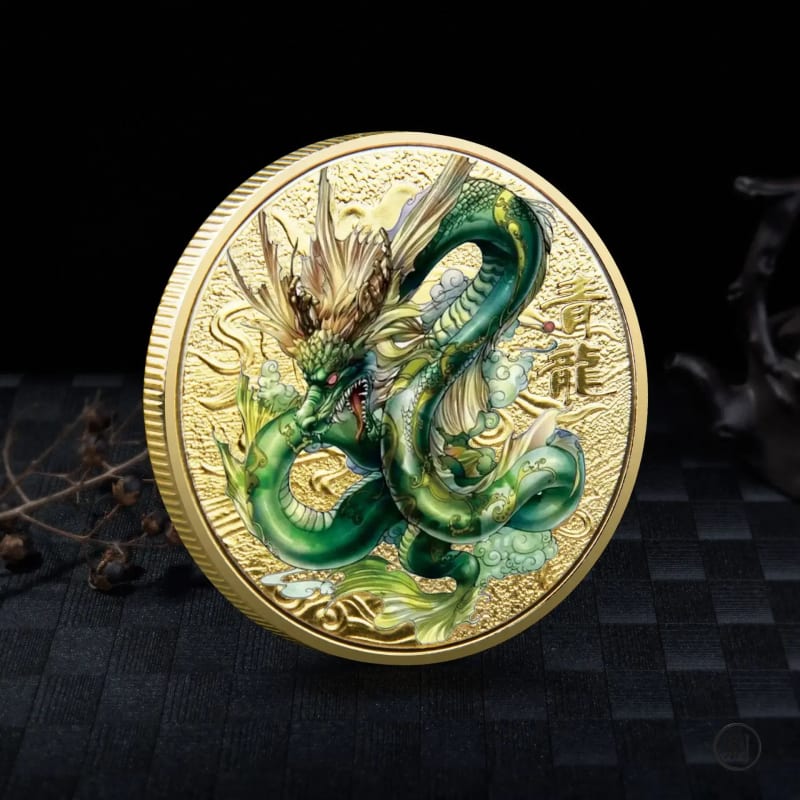
Chinese Dragon Coin — Gold-Tone Good Luck Coin
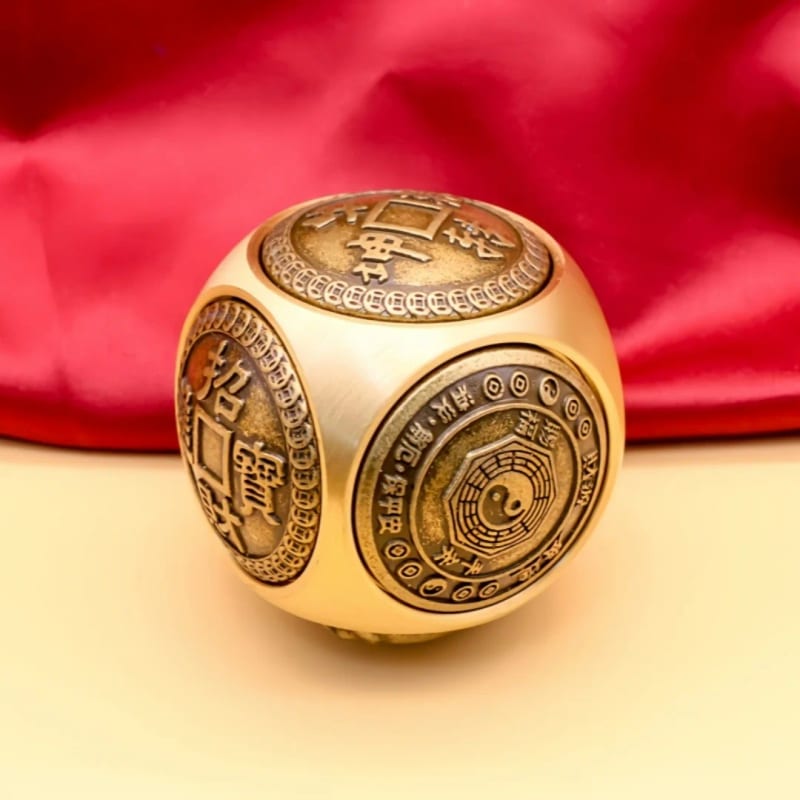
Lucky Coin Spinner — Six-Sided, Antique Brass Finish
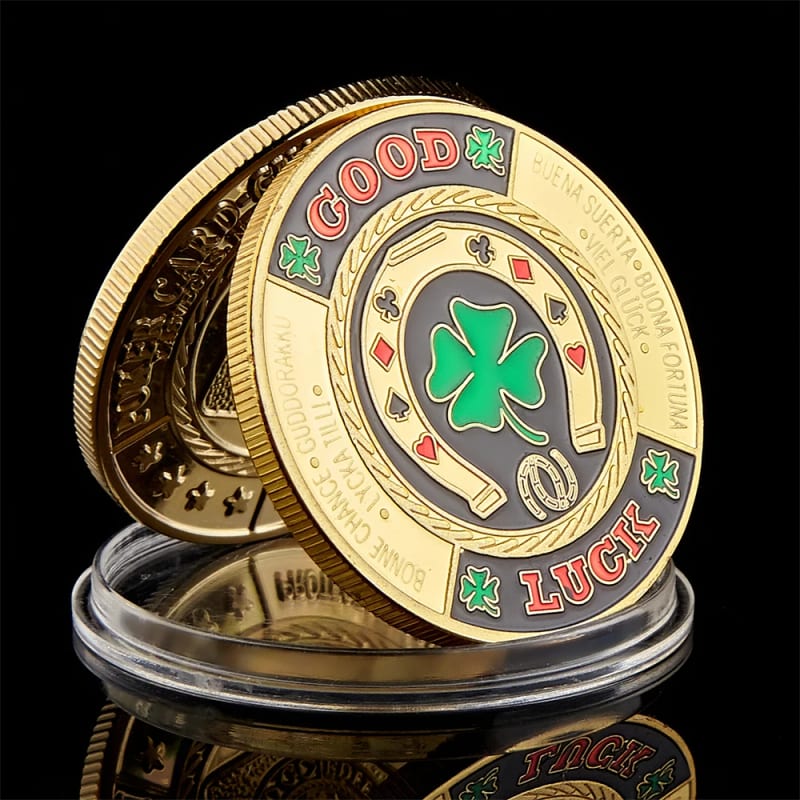
Poker Card Guard — Good Luck Clover Coin
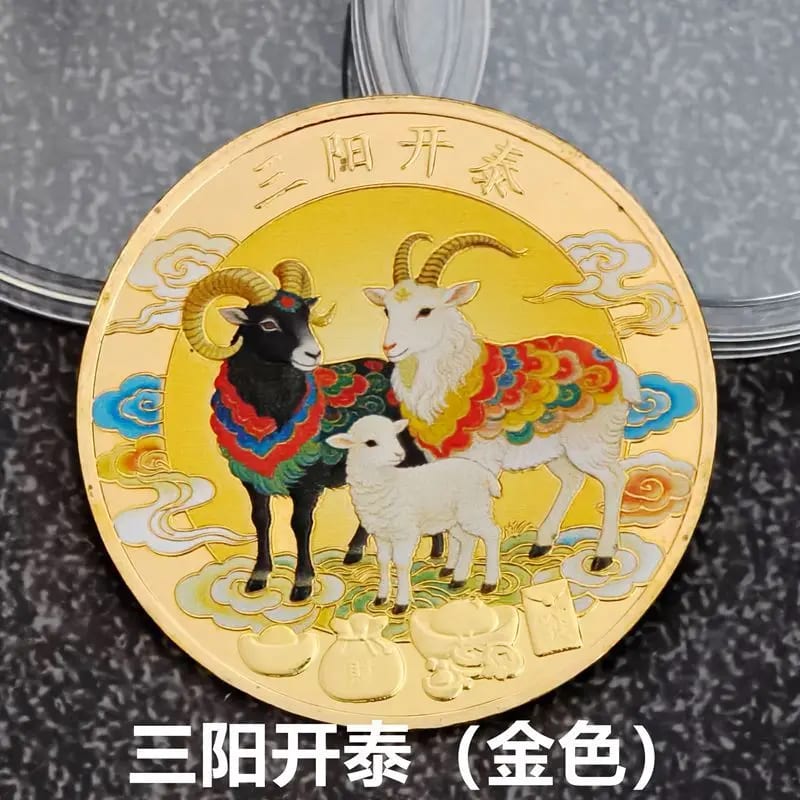
Year of the Goat 2027 Coin — Lunar New Year Gift