Chinese Dragon Symbolism: What the Dragon Means in Chinese Culture
Nov 7, 2026 · The Editors
What the dragon means in Chinese culture: rain and water, the emperor, the Azure Dragon of the East, the dragon and the pearl, the dragon in the Chinese zodiac and at New Year — and how it differs from the Western dragon.
In European stories, the dragon is a monster to be slain. In China, the dragon — lóng — is the opposite: a wise, powerful and benevolent creature that brings rain, protects and stands for good fortune. For thousands of years it has been the most important symbol in Chinese culture.
Water and rain
The Chinese dragon lives in rivers, lakes and seas and rises into the clouds. Above all it controls water: rain for the crops, the flow of rivers, floods and droughts. In a farming civilisation, that made it the giver of life. Dragon Kings ruled the four seas, and temples to them were where people prayed for rain.
The emperor's symbol
For two thousand years, the dragon stood for imperial power. The emperor was called the Son of Heaven and sat on the Dragon Throne. Under later dynasties, the five-clawed dragon was reserved for the emperor; others could use dragons with three or four claws.
The Azure Dragon of the East
Chinese astronomy divides the sky into four quarters, each guarded by a creature:
- Azure Dragon — the East, spring, wood.
- Vermilion Bird — the South, summer, fire.
- White Tiger — the West, autumn, metal.
- Black Tortoise — the North, winter, water.
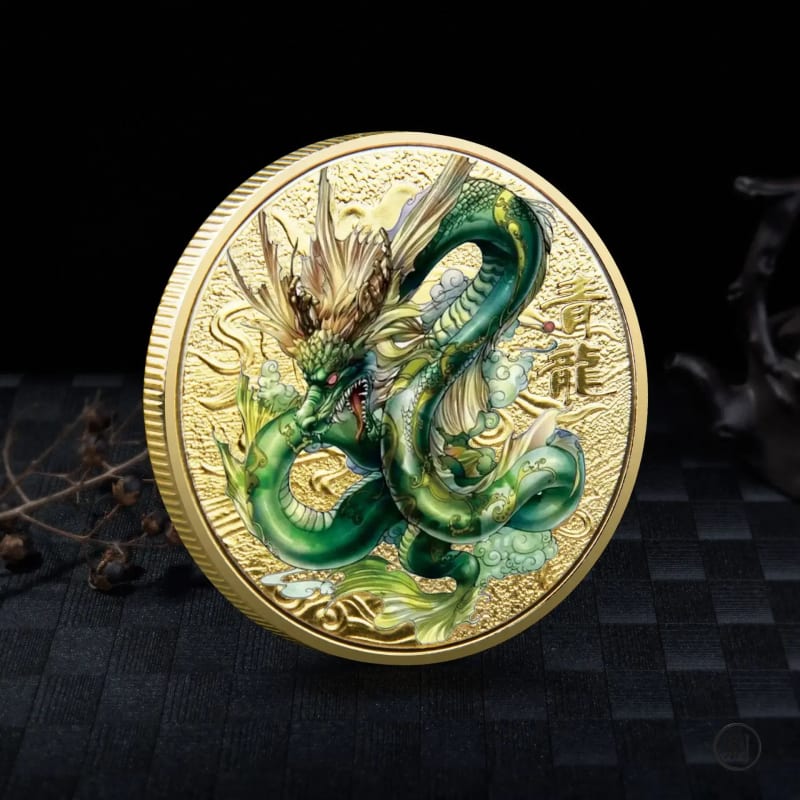
The Azure Dragon (青龍, Qīnglóng) stands for spring, new growth and the rising sun — new beginnings and good fortune.
What the dragon looks like
Traditional texts describe the dragon as a combination of animals: the head of a camel, horns of a deer, eyes of a demon, neck of a snake, belly of a clam, scales of a carp, claws of an eagle, paws of a tiger and ears of an ox. It has no wings, yet it flies.
Dragons are often shown chasing a flaming pearl: wisdom, prosperity, or the power of creation.
The dragon in the Chinese zodiac
The Dragon is the fifth of the twelve zodiac animals, and the most popular. Dragon years — 1964, 1976, 1988, 2000, 2012, 2024 — often see a rise in births in Chinese communities. People born in a dragon year are said to be confident, ambitious, energetic and lucky. The next is 2036.
The dragon and the koi
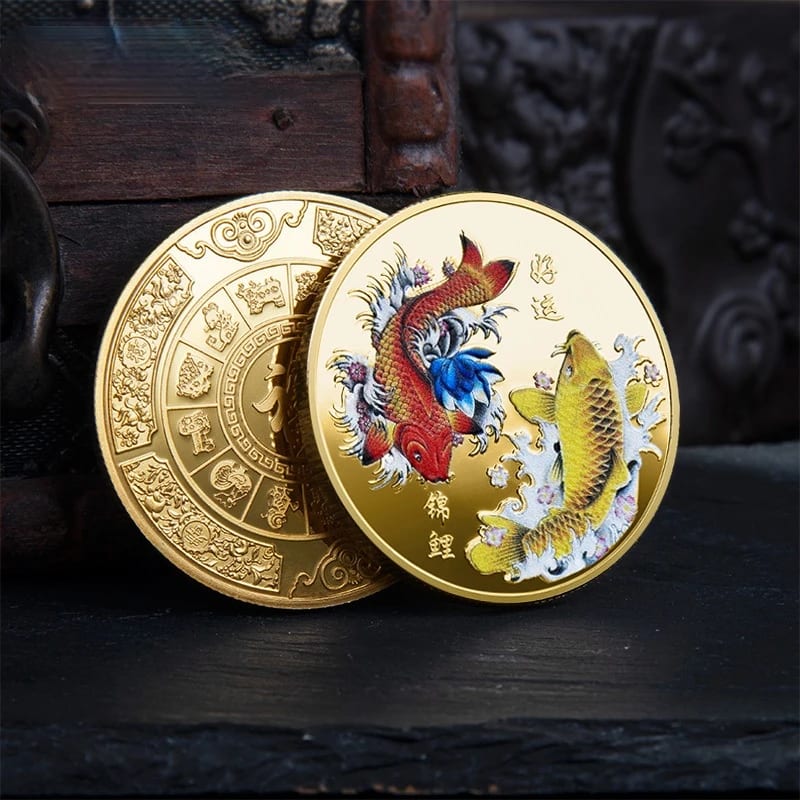
Legend says a koi that swims up the Yellow River and leaps the falls at the Dragon Gate is transformed into a dragon. It is the classic image of perseverance rewarded — the student who passes the exam. Koi fish meaning.
Dragons at New Year and festivals
- The dragon dance at Chinese New Year: a long dragon carried on poles by a team, chasing a pearl through the streets to bring luck for the year. Chinese New Year traditions.
- The Dragon Boat Festival, in early summer, with races in long dragon-headed boats.
Eastern and Western dragons
| Chinese dragon | European dragon | |
|---|---|---|
| Nature | Wise, benevolent | Greedy, destructive |
| Element | Water and sky | Fire |
| Wings | None (flies anyway) | Bat-like wings |
| Body | Long, serpentine | Heavy, four-legged |
| Meaning | Good fortune, power | Chaos, evil to be defeated |
The dragon as a gift
A dragon is a classic gift for a new job, a new business, a new year or anyone born in a dragon year: it wishes them strength, success and good fortune. Dragons are also common on lucky coins, carried or kept on a desk.
Mentioned above