Ko Rule in Go: What Ko Is, Ko Threats and Superko
Nov 15, 2026 · The Editors
The ko rule in go explained: why you cannot retake a ko immediately, how ko threats and ko fights work, and the superko rules used in Chinese, AGA and Japanese play.
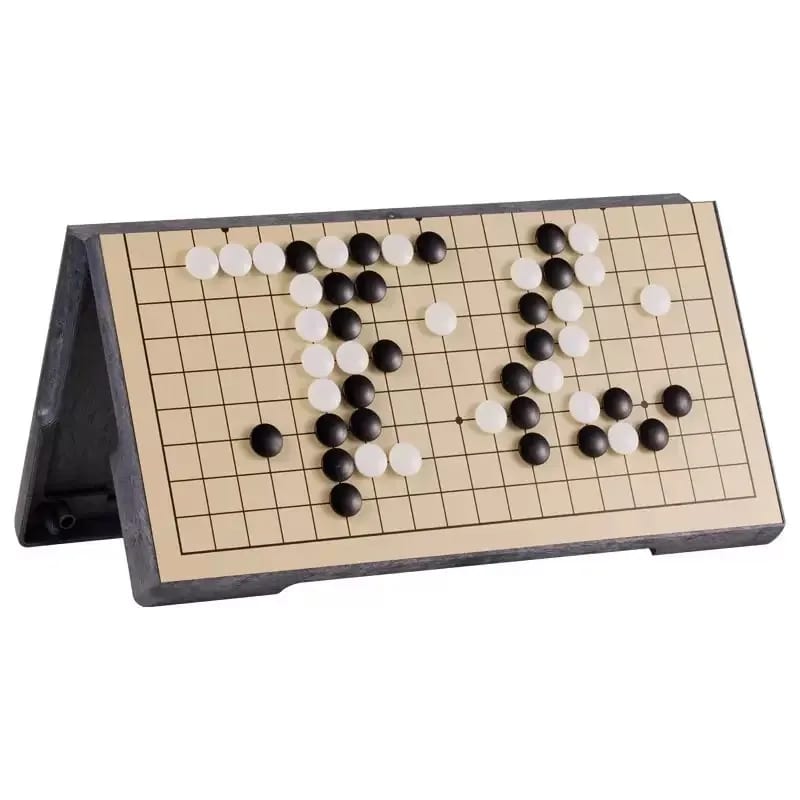
The ko rule in go says you may not make a move that returns the board to the position it was in just before your opponent's last move. In practice: when your opponent captures a single stone in a ko, you cannot recapture it immediately; you must play somewhere else first.
What is a ko?
A ko is a shape where each player can capture a single stone of the other's, back and forth, forever. Black captures one white stone; White could then capture the black stone that just captured — restoring the exact previous position. Without a rule, the game would never end.
The word comes from Japanese and is often translated as "eternity."
How the ko rule works
- Black captures a single white stone in a ko.
- White may not immediately recapture, because that would repeat the board.
- White plays elsewhere — usually a ko threat.
- Black must decide: answer the threat, or fill or resolve the ko.
- If Black answers the threat, White may now retake the ko, since the board position has changed.
The ko is then Black's to retake only after a move elsewhere, and so on. This back-and-forth is a ko fight.
Ko threats and ko fights
A ko threat is a move elsewhere that demands an answer — one that would do more damage than the ko is worth if ignored. A ko fight is won by the player with more, or bigger, ko threats.
Practical points:
- Count your threats before starting a ko.
- Do not waste threats early in the game; you may need them later.
- The ko's value matters. A ko deciding a large group is worth big threats; a small ko is not.
- Approach and multi-step kos take more than one move to win, and are often less urgent.
Superko
The basic ko rule only forbids repeating the position from one move ago. Rarer shapes, such as triple ko, can cycle over several moves. Rule sets handle them differently:
| Rule set | How repetition is handled |
|---|---|
| Chinese | superko: no move may recreate an earlier board position |
| AGA (American) and New Zealand | situational superko: no earlier position may recur with the same player to move |
| Japanese | only the basic ko rule; an unbreakable cycle such as a triple ko can make the game "no result," to be replayed |
For home and casual play, the basic rule covers almost every game. Agree beforehand if you want superko.
Ko vs other go rules
- Suicide (placing a stone with no liberties that captures nothing) is illegal in most rule sets; ko is a separate rule about repetition.
- A seki is a mutual life — neither side can capture — and has nothing to do with ko.
The rest of the rules are in go game rules for beginners, with strategy in go strategy for beginners.
Practise ko on a small board
Ko fights come up most often in the cramped corners of a small board, so a 9x9 game is the best place to learn them. See go board sizes. Our folding go set with stones packs away flat, and if you are deciding between the two great board games, read go vs chess.
Frequently asked questions
What is the ko rule in go?
You may not make a move that returns the board to its position before your opponent's last move. So a ko cannot be recaptured immediately; you must play elsewhere first.
What is a ko threat?
A move away from the ko that your opponent must answer, giving you the chance to retake the ko on your next turn.
What is superko?
A stricter rule, used in Chinese and AGA rules, that forbids recreating any earlier board position, not just the one from the previous move.
What happens in a triple ko?
Under Japanese rules an unbreakable triple ko can make the game "no result." Under superko rules, the repetition is simply illegal.
Mentioned above