The History of Playing Cards: From China to the Modern Deck
Nov 7, 2026 · The Editors
The history of playing cards: their origin in Tang dynasty China, the journey through the Islamic world to Europe, Italian, German and French suits, how the court cards got their faces, and where the joker came from.
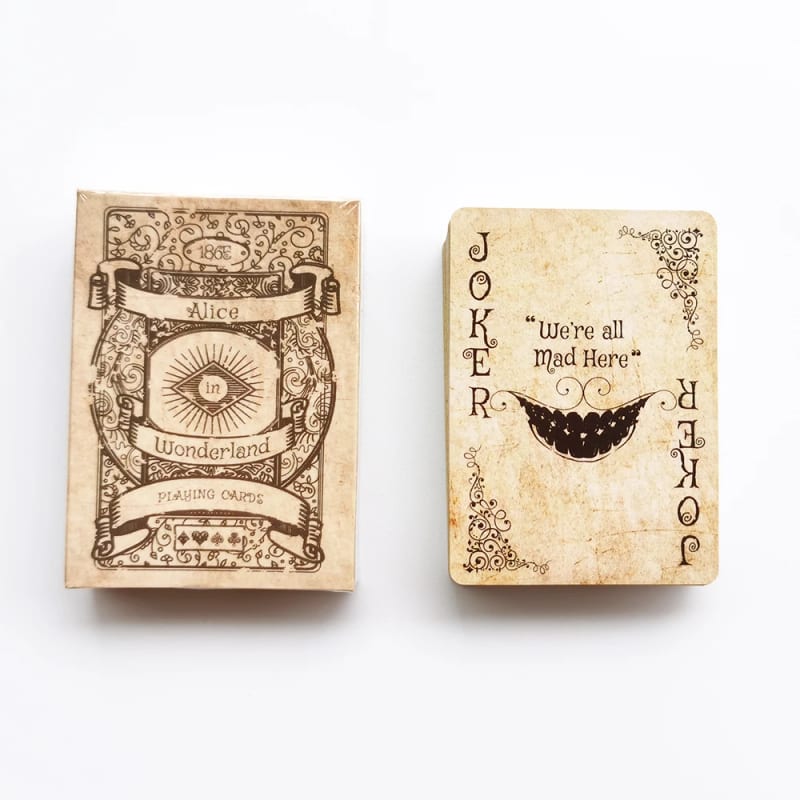
The deck in your drawer is the end of a thousand-year journey across Asia, the Middle East and Europe. Almost every detail — the suits, the faces, the corner numbers, the joker — was added somewhere along the way.
China: the first cards
Cards almost certainly began in China. A Tang dynasty text records Princess Tongchang playing a "leaf game" with relatives in AD 868, and by the Song dynasty, card games were well established. Early Chinese cards were narrow paper slips, often based on money: suits of coins, strings of coins and myriads.
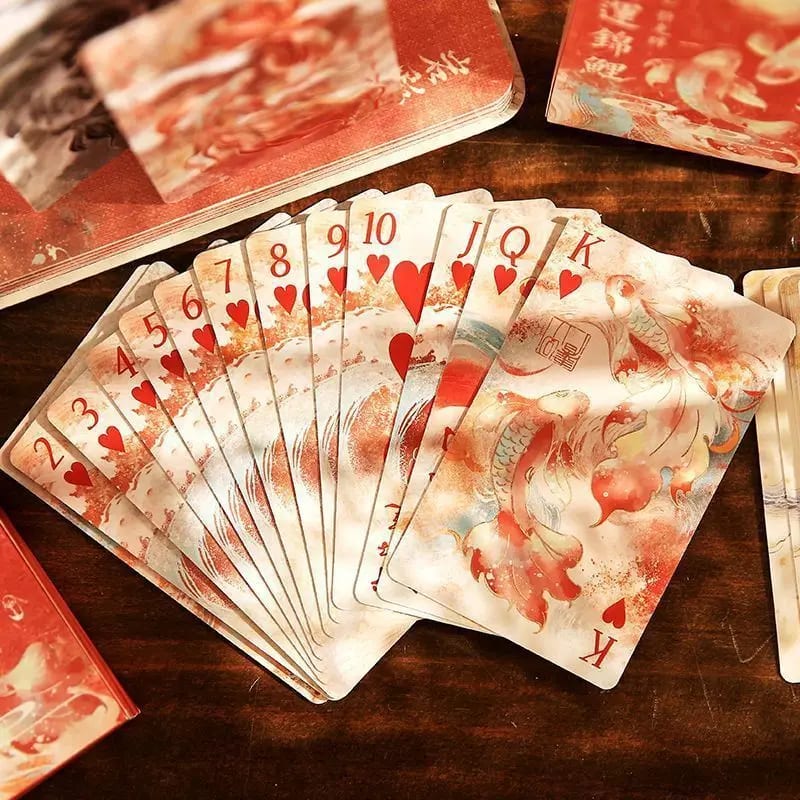
Chinese cards are still made today, many with figures from Chinese opera and literature on their faces. More on Chinese playing cards.
The Mamluk deck
By the 1300s, cards had reached the Mamluk sultanate in Egypt and Syria. A near-complete Mamluk deck survives in Istanbul, and it is recognisably our ancestor:
- 52 cards in four suits: cups, coins, swords and polo sticks.
- Ten number cards and three court cards per suit — a king, a viceroy and a second deputy, shown by name rather than by picture.
Europe: the 1370s
Cards arrived in Europe suddenly. In 1377 a monk in Switzerland, Johannes of Rheinfelden, described the new game in detail, and city records from Florence to Barcelona begin to mention — and often ban — card playing around the same years.
European makers kept the four suits but redrew them:
- Italy and Spain kept close to the Mamluk suits: cups, coins, swords and batons. Spanish and Italian decks still use them.
- Germany invented its own: hearts, bells, leaves and acorns.
- The polo stick, unknown in Europe, became a baton or club.
- The court cards became people: a king, a mounted knight and a knave (servant).
France: the suits we use
Around 1480, French makers introduced the suits that took over the world: cœurs, carreaux, trèfles and piques — hearts, diamonds, clubs and spades. Their great advantage was simple: the plain shapes could be printed with a stencil in two colours, far cheaper than hand-painted pictures.
The French also replaced the knight with a queen, giving the King-Queen-Jack court we know.
English took the French shapes but kept some older names: spades comes from the Spanish espadas (swords), and clubs from bastos (batons).
Changes in the 1800s
Most of the details of the modern deck are less than 200 years old:
- Double-headed court cards, readable either way up, became standard in the mid-1800s — no more turning a card to see who it is.
- Corner indices — the small numbers and suits in the corners — appeared in the 1870s, so a hand could be held in a tight fan.
- Rounded corners replaced square ones, which wore and bent.
- The joker was added in America in the 1860s as the top trump in euchre. Where the joker came from.
Tarot
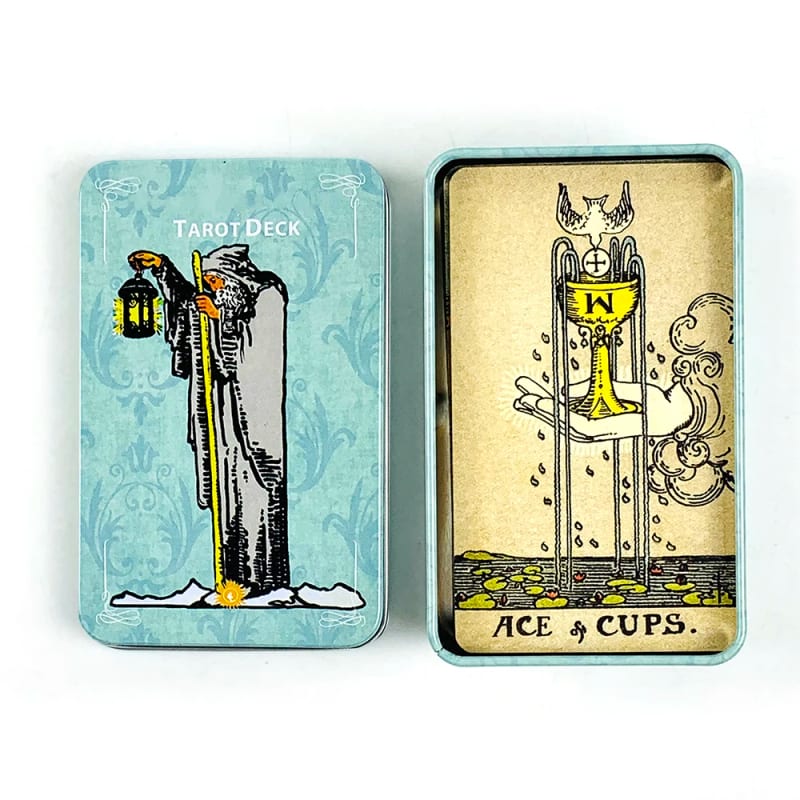
Tarot began in northern Italy in the 1400s — not as fortune-telling, but as a card game, with an extra suit of picture trumps. It was only in the late 1700s that French occultists gave the cards mystical meanings. The tarot card meanings.
The deck today
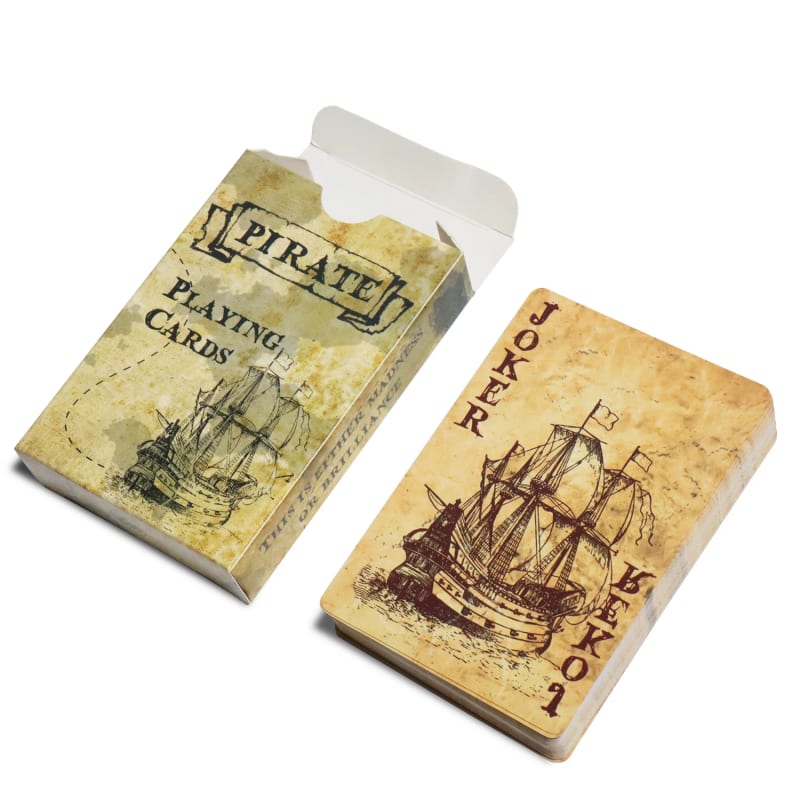
The French-suited, 52-card deck is now played across the world, but the old suits never disappeared: Spain, Italy, Germany, Switzerland and much of Asia still play with their own decks. Collectors look for decks that carry the old history — Chinese opera faces, Victorian storybook courts, pirate maps — on the same 52 cards.
Mentioned above