Tarot Card Meanings for Beginners: The Major Arcana and the Suits
Nov 4, 2026 · The Editors
Tarot card meanings for beginners: how a deck is built, all 22 Major Arcana in a line each, the four suits, two simple spreads, and the artist behind the classic deck.
Tarot can look forbidding — 78 cards, strange pictures, a vocabulary of its own. It is far simpler than it looks. Learn how the deck is built and what the 22 big cards stand for, and you can read a simple spread the same evening.
How a tarot deck is built
A standard tarot deck has 78 cards in two parts:
- The Major Arcana — 22 picture cards, numbered 0 to 21, from The Fool to The World. They stand for the big themes of a life.
- The Minor Arcana — 56 cards in four suits, like playing cards: ace to ten, plus four court cards (Page, Knight, Queen, King). They stand for everyday matters.
A short history
Tarot began as a card game. Decks were painted for noble families in northern Italy in the 1400s, and games of tarocchi are still played in parts of Europe. Using the cards for divination came much later, in late 18th-century France, along with a story that they held ancient Egyptian wisdom — a romantic idea with no evidence behind it.
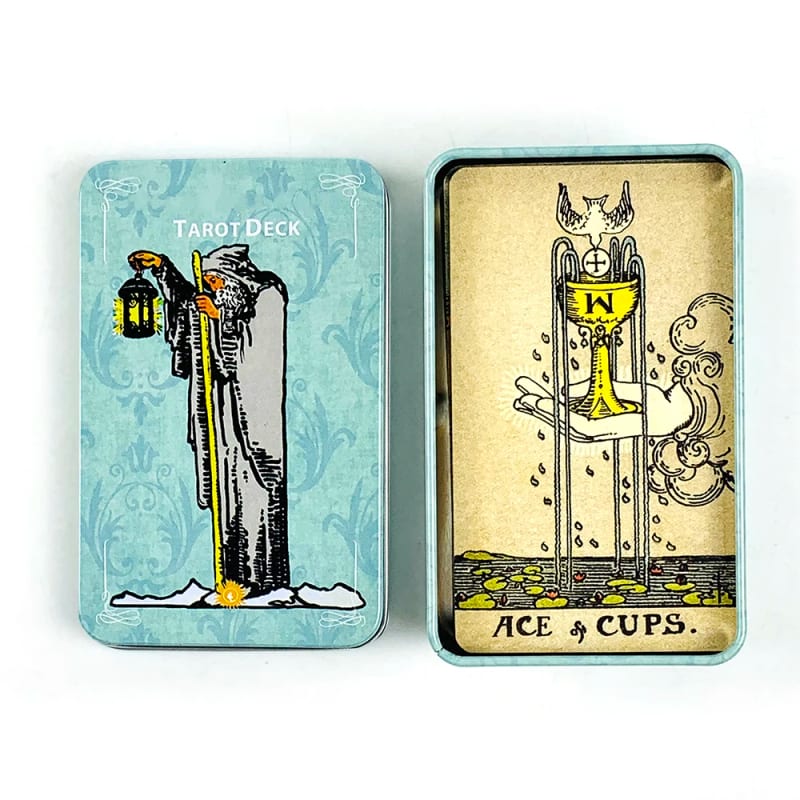
The deck most people picture today was published in London in 1909. It was devised by the occultist A. E. Waite and drawn by the artist Pamela Colman Smith, who gave every one of the 78 cards a scene — not just the Major Arcana — which is why it is so much easier to read than older decks. Smith was paid a flat fee and went largely uncredited for decades; today she is recognised as one of the most influential illustrators of the 20th century. Her original artwork is the art in our gilded tarot deck.
The Major Arcana meanings, in order
- 0 The Fool — new beginnings, a leap of faith.
- I The Magician — skill, willpower, making it happen.
- II The High Priestess — intuition, what is hidden.
- III The Empress — abundance, care, creativity.
- IV The Emperor — structure, authority, order.
- V The Hierophant — tradition, teaching, belonging.
- VI The Lovers — love, and the choices it asks of us.
- VII The Chariot — drive, determination, victory.
- VIII Strength — courage, patience, gentle strength.
- IX The Hermit — solitude, searching within.
- X Wheel of Fortune — cycles, change, luck.
- XI Justice — fairness, truth, consequences.
- XII The Hanged Man — a pause, a new way of seeing.
- XIII Death — an ending that makes room for something new. It almost never means death.
- XIV Temperance — balance, moderation.
- XV The Devil — attachment, temptation, feeling trapped.
- XVI The Tower — sudden upheaval.
- XVII The Star — hope, healing, renewal.
- XVIII The Moon — uncertainty, illusion, dreams.
- XIX The Sun — joy, success, warmth.
- XX Judgement — reckoning, awakening.
- XXI The World — completion, wholeness.
(Older decks number Justice VIII and Strength XI. The 1909 deck swapped them, and most modern decks follow it.)
The four suits
- Wands — fire: energy, ambition, creativity.
- Cups — water: emotions, love, relationships.
- Swords — air: thought, truth, conflict.
- Pentacles — earth: money, work, the body, home.
Read a Minor Arcana card as its suit plus its number: aces are beginnings, tens are endings, and the court cards are people or personalities.
How to read tarot cards for yourself
Two simple spreads are enough to start:
- One card a day. Shuffle, draw one card, and think about how it fits the day ahead. Within a few weeks you will know the deck.
- Three cards. Lay them left to right: past, present, future — or situation, obstacle, advice.
Look at the picture before you look up the meaning. Smith drew every card to be read at a glance, and what you notice first is usually the point. Some readers read upside-down cards as reversed meanings; it is optional, and many beginners leave it out.
Tarot is best used as a mirror — a way to look at a question from a new angle — rather than as a forecast.
Reading tarot with playing cards
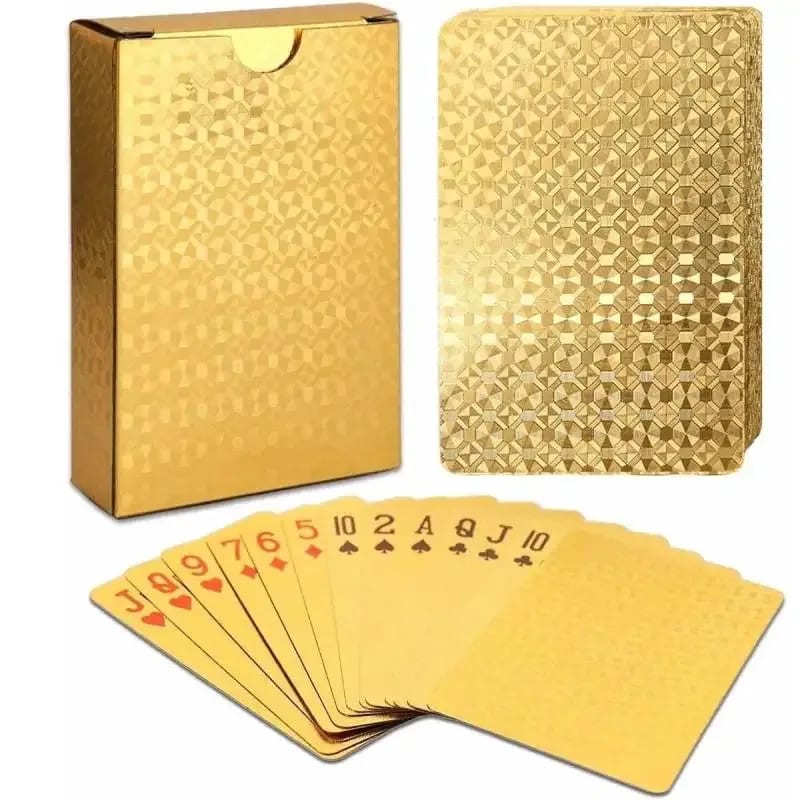
An ordinary deck maps neatly onto the Minor Arcana: hearts to cups, diamonds to pentacles, clubs to wands, spades to swords. It has no Major Arcana and one court card fewer per suit, but it is how many people first practise.
Our tarot deck
Our deck keeps Pamela Colman Smith's 1909 artwork, with gilded edges that make the closed deck look like a bar of gold, in a printed metal tin that keeps it safe. A tarot deck is a lovely gift for a beginner — and the classic art is the one every guidebook assumes you have.
Mentioned above