Elephant Trunk Up Meaning: Good Luck, Feng Shui and Vastu
Nov 15, 2026 · The Editors
What an elephant with its trunk up means: good luck and celebration in feng shui and Indian tradition, what trunk down means, where to place an elephant statue, and elephant symbolism.
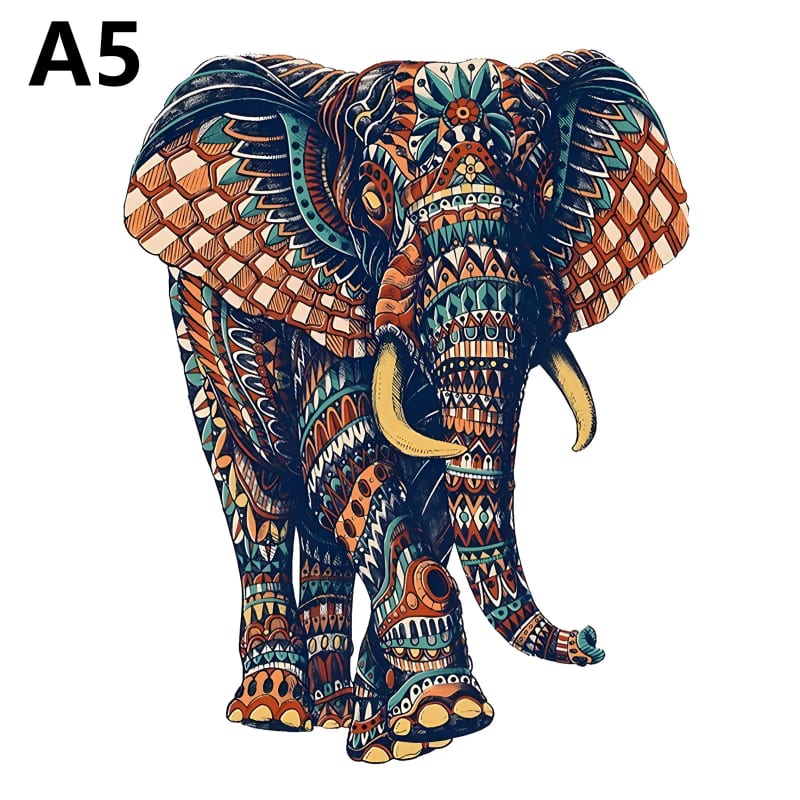
An elephant with its trunk raised is a symbol of good luck: in feng shui and in many Indian and South-East Asian traditions it is said to shower luck, energy and celebration on a home. An elephant with its trunk down is not bad luck; it is usually read as storing energy, steadiness and wisdom.
Why trunk up means good luck
An elephant lifts its trunk to trumpet, to greet, to smell the air and to spray water. In folk symbolism the raised trunk became a gesture of joy and abundance — luck pouring out from the trunk over everyone nearby. That is why elephant ornaments sold as good-luck pieces almost always have the trunk up.
The idea crosses several traditions:
- Feng shui treats the elephant as a symbol of strength, wisdom and fertility; trunk up is used to attract good fortune.
- Indian tradition links the elephant with Ganesha, the elephant-headed god who removes obstacles and is honoured at the start of new ventures, and with Airavata, the white elephant ridden by the god Indra.
- Thailand and Myanmar hold the white elephant as a royal and sacred animal.
- Buddhist tradition tells that the Buddha's mother dreamt of a white elephant before his birth.
Elephant trunk up vs trunk down
| Trunk | Common meaning |
|---|---|
| Up | good luck, celebration, energy, success |
| Down | stored energy, steadiness, wisdom, fertility |
| Curled to the side | often seen on Ganesha images; meanings vary by tradition |
Some people prefer trunk-down elephants for a quiet room such as a bedroom or a study, where steadiness matters more than celebration. Interpretations differ, and neither is considered unlucky in most traditions.
Elephant trunk up meaning in vastu
In vastu shastra, the traditional Indian system of architecture, elephant figures are associated with strength and prosperity. Common placement advice, which varies between practitioners, includes:
- a pair of elephants at or near the main entrance, as guardians;
- an elephant in the study or work area for focus and success;
- a silver or brass elephant for prosperity.
If you follow vastu or feng shui closely, take placement advice from your own practitioner; the rules are not uniform.
Elephant symbolism more broadly
Across cultures, elephants stand for:
- Memory — "an elephant never forgets."
- Wisdom and patience.
- Strength without aggression.
- Family and loyalty — elephants live in close family herds led by an older female.
An elephant tattoo with its trunk up usually carries the luck meaning; one with a calf often stands for family or motherhood.
An elephant for your home
You do not need a statue. A finished wooden elephant jigsaw puzzle, built from irregular animal-shaped pieces into a richly patterned elephant, makes a good-luck elephant you assemble yourself and then frame or leave out. Tips for wooden jigsaws are in jigsaw puzzle tips. For other good-luck symbols from Asia, see koi fish meaning, Chinese dragon symbolism and lucky charms around the world.
Frequently asked questions
Is an elephant with its trunk up good luck?
Yes. In feng shui and in many Indian and South-East Asian traditions, a raised trunk is said to shower good luck, energy and celebration.
What does an elephant with its trunk down mean?
It is usually read as stored energy, steadiness and wisdom rather than bad luck. Some people prefer it for quiet rooms.
Which way should an elephant statue face?
Placement advice varies. A common feng shui and vastu suggestion is a pair of elephants near the main entrance; follow your own practitioner if you use either system closely.
What does an elephant tattoo with its trunk up mean?
It usually stands for good luck and success; with a calf, it often means family or motherhood.