Whimsy Pieces: What They Are in a Jigsaw Puzzle and Why They're There
Nov 23, 2026 · The Editors
What whimsy pieces are in a jigsaw puzzle: pieces cut into recognisable shapes such as animals and objects, where the idea came from, how they change a puzzle, and tips for solving one.
Whimsy pieces, or whimsies, are jigsaw pieces cut into recognisable shapes, such as an animal, a bird, a letter or an object, instead of the usual knob-and-socket shape. They are a hallmark of wooden jigsaws, where each piece is cut individually, and they make a puzzle both harder and more fun to finish.
What a whimsy piece looks like
A whimsy is a single piece whose outline is a figure: a cat, a teapot, a horse, a star, a heart. Cut into a wooden puzzle, it still interlocks with its neighbours, but its shape has nothing to do with the picture printed on it. A dog-shaped piece might carry a patch of sky.
Many whimsies are linked to the theme of the puzzle (sea creatures in a harbour scene, birds in a garden), and some makers hide a signature whimsy in every puzzle, such as initials or a date.
Where whimsy pieces came from
Jigsaws were first made by hand, cut from wood with a fine saw. When jigsaws became a popular pastime for adults in the early 20th century, cutters began adding figure pieces to show off their skill and to make the puzzles more interesting. The tradition has continued in wooden puzzles ever since. Mass-produced cardboard puzzles, cut with a single die, mostly stuck to the standard shapes, which is why whimsies are still associated with wooden jigsaws.
Why whimsy pieces make a puzzle harder
- No standard shape. Most solvers rely on the familiar tabs and blanks to find neighbours. A whimsy breaks that pattern.
- The shape misleads. A bird-shaped piece invites you to look for a bird in the picture, which is usually not where it goes.
- Fewer straight edges. Wooden puzzles with whimsies often have irregular or shaped borders too, so the usual "edges first" method does not work.
That is also the fun: finding where the little elephant or teapot belongs is a small reward in itself.
Tips for solving a puzzle with whimsy pieces
- Sort by colour and pattern first, not by shape. In a whimsy puzzle, the printed image is your best guide.
- Set the whimsies aside and admire them; then place them once the area around them is built.
- Look at the negative space. The gap a whimsy leaves is the same unusual shape, so the hole will tell you which piece fits.
- Work from strong features, such as eyes, lines or bright colours, rather than edges.
- Keep pieces face up on a flat tray, since wooden pieces have no printed back to help.
Our jigsaw puzzle tips cover sorting and table setup in more detail.
A puzzle full of whimsies
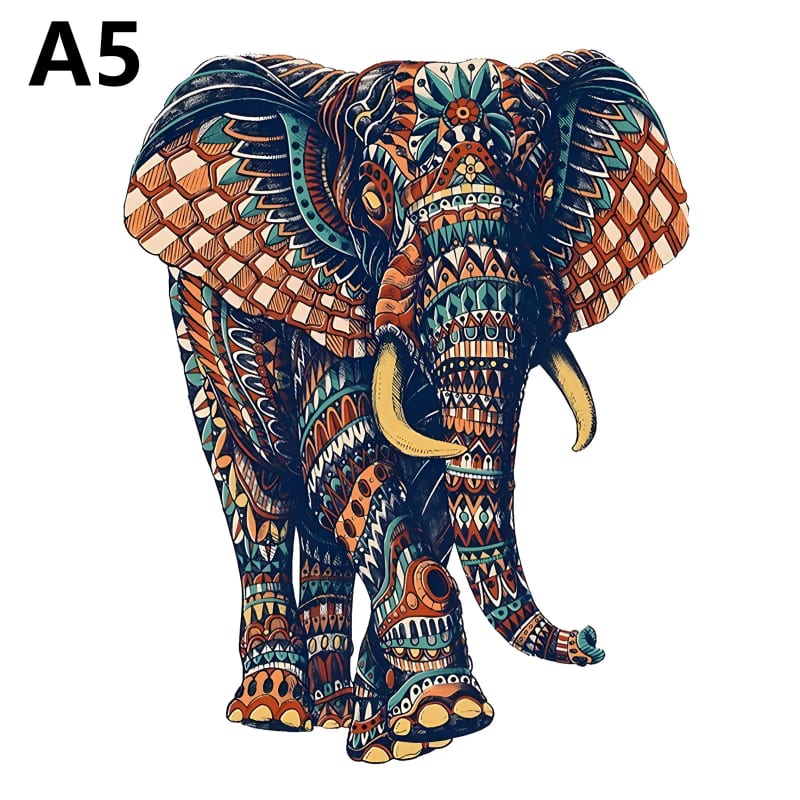
Our wooden elephant jigsaw is cut into irregular pieces, many of them small animal shapes, and has no straight edges at all; the finished puzzle is the outline of a patterned elephant. When it is done, it is worth keeping; see how to frame a jigsaw puzzle.
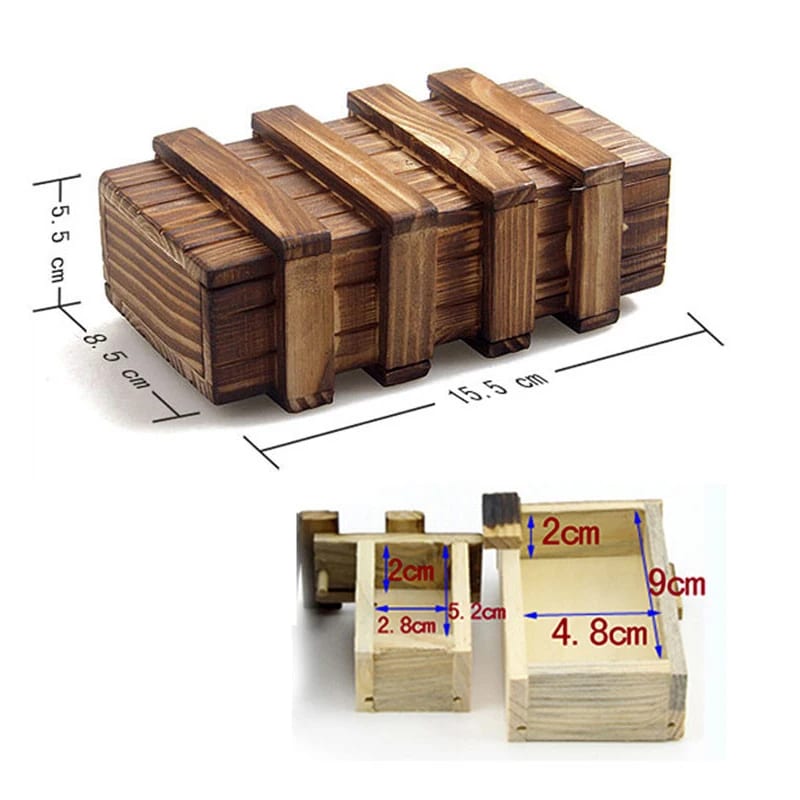
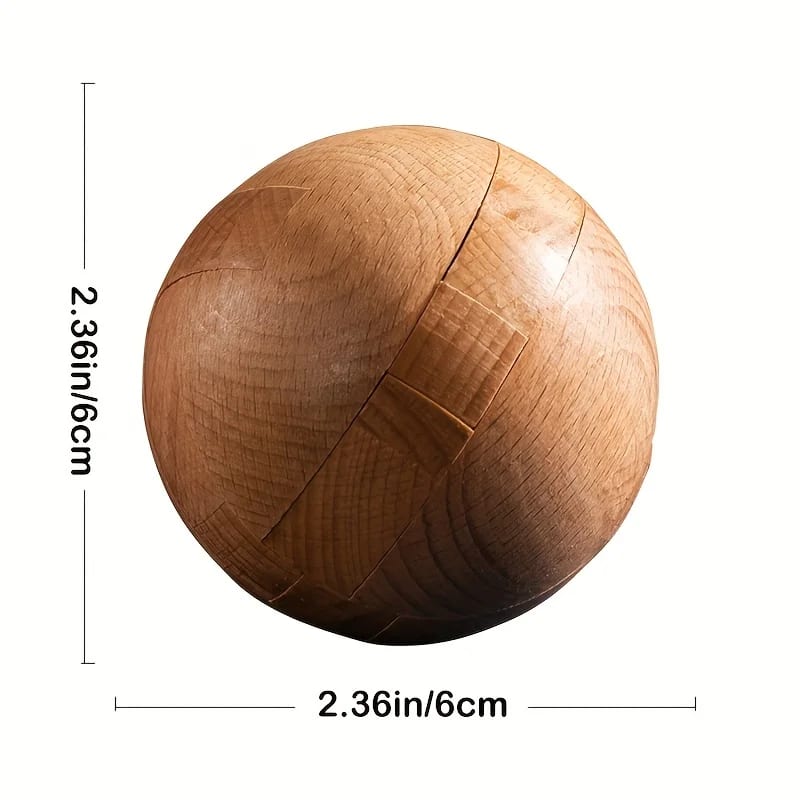
For other wooden challenges, try a Kong Ming lock or a puzzle box with secret drawers, and see wooden puzzles for adults.
Frequently asked questions
What are whimsy pieces in a puzzle?
Jigsaw pieces cut into recognisable shapes, such as animals, birds or objects, instead of the usual tab-and-blank shape. They are typical of wooden jigsaws.
Why are they called whimsy pieces?
Because they are playful, whimsical additions: the cutter's flourish, adding a little surprise to the puzzle.
Are puzzles with whimsy pieces harder?
Usually, yes. The shapes do not follow the usual pattern, and wooden puzzles with whimsies often have no straight edges either. Sort by colour rather than shape.
Do cardboard puzzles have whimsy pieces?
Some do, but they are much more common in wooden puzzles, where each piece can be cut individually.