How to Frame a Jigsaw Puzzle, With or Without Glue
Nov 23, 2026 · The Editors
How to frame a jigsaw puzzle: moving a finished puzzle, gluing the front, using adhesive backing sheets, framing without glue, and how to frame a wooden or shaped puzzle.
To frame a jigsaw puzzle, slide the finished puzzle onto a stiff board, fix the pieces together with puzzle glue on the front or adhesive sheets on the back, let it dry flat, then fit it into a frame the size of the finished puzzle. You can also frame a puzzle without glue, by pressing it firmly between glass and backing in a snug frame.
What you need
- A frame that matches the finished size of the puzzle (the box usually lists it), or a mat cut to fit.
- Puzzle glue (a clear, water-based glue made for puzzles), or adhesive puzzle backing sheets.
- Two stiff boards or pieces of foam board larger than the puzzle, for moving and flipping it.
- Baking parchment or wax paper, so glue does not stick the puzzle to the table.
- A soft spreader or old card, and a rolling pin.
Step 1: Finish the puzzle on parchment
Ideally, build the puzzle on a sheet of parchment. If you did not, slide a thin board or a large sheet of card underneath it slowly, pushing from one edge, then slip parchment under it. Gently press the whole puzzle flat with a rolling pin to close the gaps.
Step 2a: Framing with glue on the front
- Pour a little puzzle glue onto the middle and spread it thinly with the card, working into the seams. Too much leaves a cloudy surface.
- Cover every piece, right to the edges.
- Let it dry flat for a few hours (follow the glue's instructions). Some people add a second thin coat for strength.
- When it is dry, peel it off the parchment.
The glue gives a light sheen and makes the puzzle a single, stiff sheet.
Step 2b: Framing with backing sheets
Adhesive backing sheets fix the puzzle from behind and leave the front untouched, which suits a matte finish.
- Place a board on top of the finished puzzle and flip it carefully, sandwiched between two boards.
- Peel the backing off the adhesive sheets and press them onto the back, overlapping slightly.
- Flip it back. The puzzle is now one piece.
How to frame a jigsaw puzzle without glue
If you might want to take the puzzle apart again, skip the glue. Slide the finished puzzle onto the frame's backing board, lay the glass on top, and close the frame. If the frame fits snugly, the glass holds the pieces in place. Choose a frame exactly the size of the puzzle so nothing can slide.
Framing a wooden or shaped puzzle
Wooden pieces are thicker than cardboard, so a standard picture frame may not close. Use a shadow box frame or a deeper frame, and mount the puzzle on a coloured backing board.
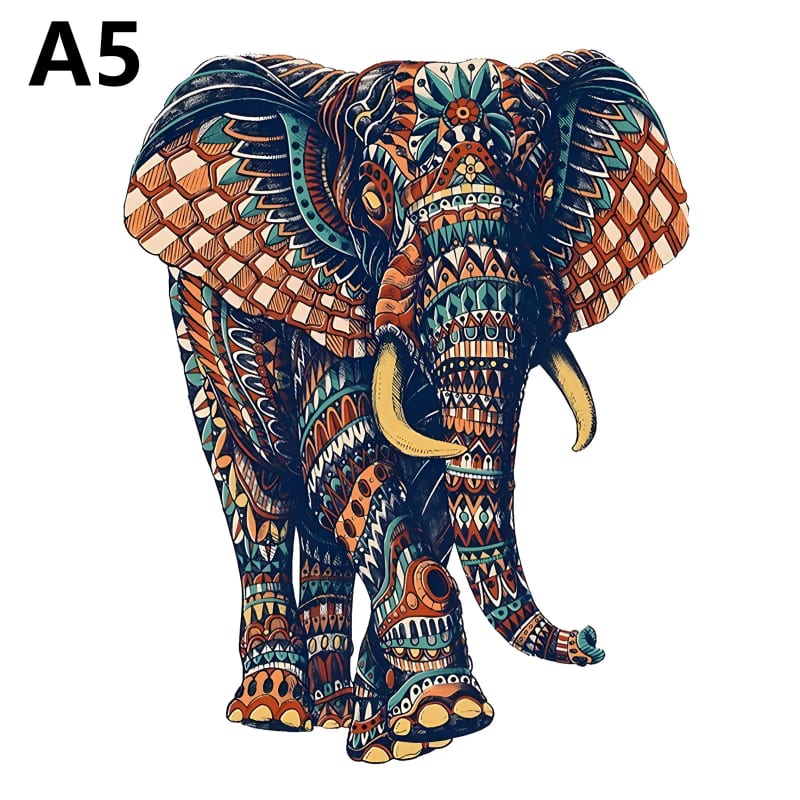
A shaped puzzle, one with no straight edges, such as our wooden elephant jigsaw, looks best floated on a plain board in a shadow box, so the outline shows. Glue on the back or small dots of clear adhesive hold it in place. Many of its pieces are small animal shapes; see what whimsy pieces are.
Tips
- Count the pieces before gluing. A missing piece is easier to find before the puzzle is fixed.
- Keep it away from direct sunlight, which fades the print.
- Write the date and the people who built it on the back. It becomes a family record.
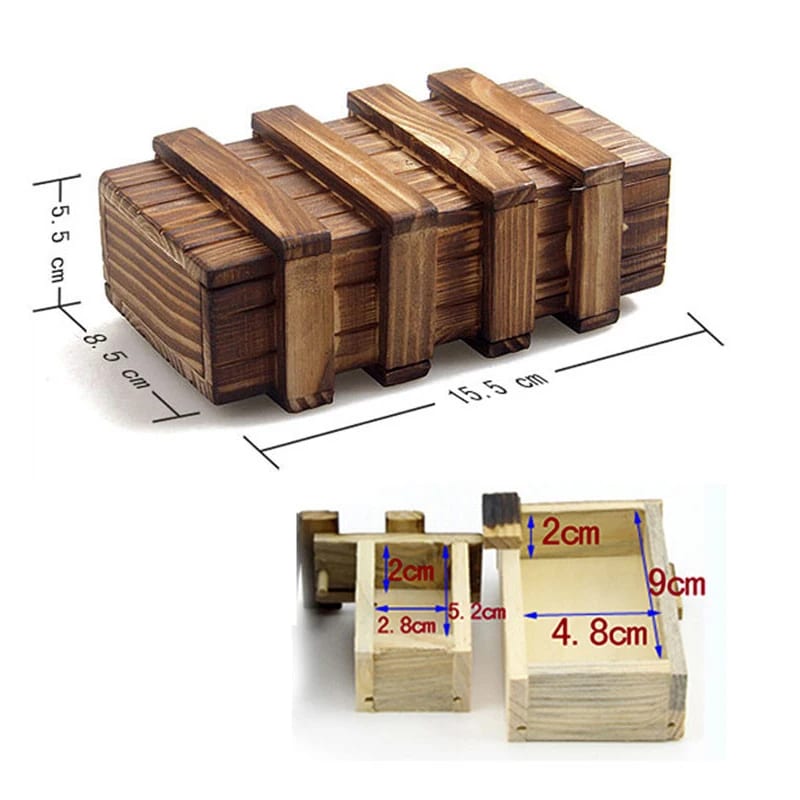
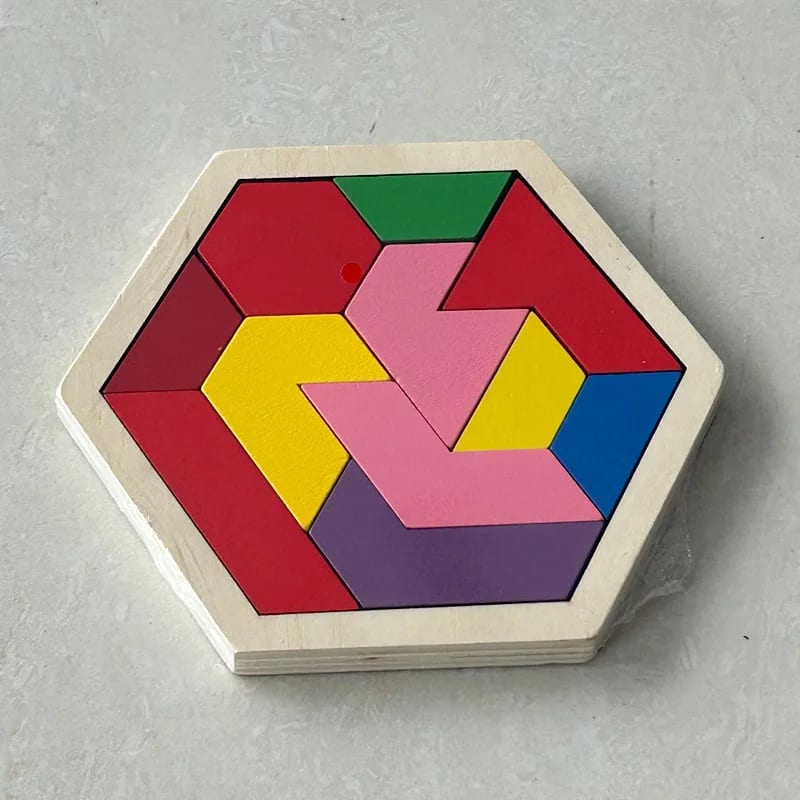
For building the puzzle in the first place, see jigsaw puzzle tips. For puzzles that need no frame at all, try a puzzle box or a hexagon wooden puzzle; see wooden puzzles for adults.
Frequently asked questions
Can you frame a puzzle without gluing it?
Yes. Lay it on the frame's backing board, put the glass on top and close a snug frame. The glass holds the pieces in place, and you can take it apart later.
What is the best way to frame a jigsaw puzzle?
Glue the front thinly with puzzle glue, or fix adhesive sheets to the back, let it dry flat, then use a frame that matches the puzzle's finished size.
How do you move a finished puzzle without breaking it?
Slide a thin board or large card underneath it slowly, and flip it, if you need to, sandwiched between two boards.
How do you frame a wooden jigsaw puzzle?
Wooden pieces are thicker, so use a shadow box or deeper frame. A shaped puzzle looks best floated on a plain backing board.