Helm of Awe Meaning: The Aegishjalmur Symbol, Origin and Tattoo
Nov 24, 2026 · The Editors
The Helm of Awe (Ægishjálmur) is an Icelandic protective sign meant to strike fear into enemies. What it means, where it comes from, and how it differs from the Vegvísir.
The Helm of Awe, in Old Norse Ægishjálmur, is a symbol of protection and invincibility: a sign meant to fill enemies with fear and keep its wearer safe. The name appears in Old Norse poetry, while the familiar eight-armed symbol comes from much later Icelandic books of magic.
What does Ægishjálmur mean?
The name is usually translated "helm of awe" or "helm of terror". Hjálmr means helmet, or more broadly a covering or protection. Ægir is linked to fear and terror. So the idea is not a literal helmet but a cloak of dread around the wearer that makes enemies afraid to approach.
The Helm of Awe in the sagas
The name is far older than the drawing:
- In the Eddic poem Fáfnismál, the dragon Fáfnir boasts that he wore the helm of terror and that it made every man fear him.
- In the Völsunga saga, the hero Sigurd kills Fáfnir and takes the helm of terror from the dragon's hoard.
In these stories it is a magical object or power, and nothing tells us what it looked like.
Where the symbol comes from
The drawing most people know, eight arms radiating from a centre, each ending in a trident-like fork, comes from Icelandic manuscripts of magical staves (galdrastafir) written down from roughly the seventeenth century onward, centuries after the Viking Age. Several different versions appear, with more or fewer arms and different end marks.
Folk instructions associated with it describe drawing or pressing the sign on the forehead, between the eyebrows, before facing an enemy. Accounts differ in the details.
So it is accurate to call the Helm of Awe Icelandic folk magic with a Norse name, rather than a symbol Vikings themselves are known to have used.
The symbol's parts
Readers of the symbol often point to:
- Eight arms, guarding every direction.
- The forked ends, which some compare to the Algiz rune, the rune of protection. The resemblance is real, though whether it was intended is debated. See Algiz rune meaning.
- The centre circle, the wearer, enclosed and defended.
Helm of Awe vs Vegvísir
The two are often confused because they come from the same tradition and look alike:
| Helm of Awe | Vegvísir | |
|---|---|---|
| Purpose | Protection, fear over enemies | Finding the way, not getting lost |
| Arms | Usually 8, with forked ends | 8, each with a different end mark |
| Name in old poetry | Yes (Fáfnismál, Völsunga saga) | No |
| Main source | Icelandic magical manuscripts | The Huld Manuscript, mid-1800s |
See Vegvísir meaning for the wayfinding sign.
Helm of Awe tattoo meaning
As a tattoo, the Helm of Awe is chosen for protection, courage and strength under pressure. People wear it before something frightening (a deployment, an illness, a new start) as a reminder to stand firm. It is also popular with fans of Norse myth. Because the symbol has several historical forms, there is no single "correct" design.
Is the Helm of Awe a rune?
No. It is a stave, a composite magical sign, not one of the 24 runes of the Elder Futhark. Runes are letters with names and sounds; staves are drawn designs, sometimes built from rune-like strokes.
Gifts for a Norse myth fan
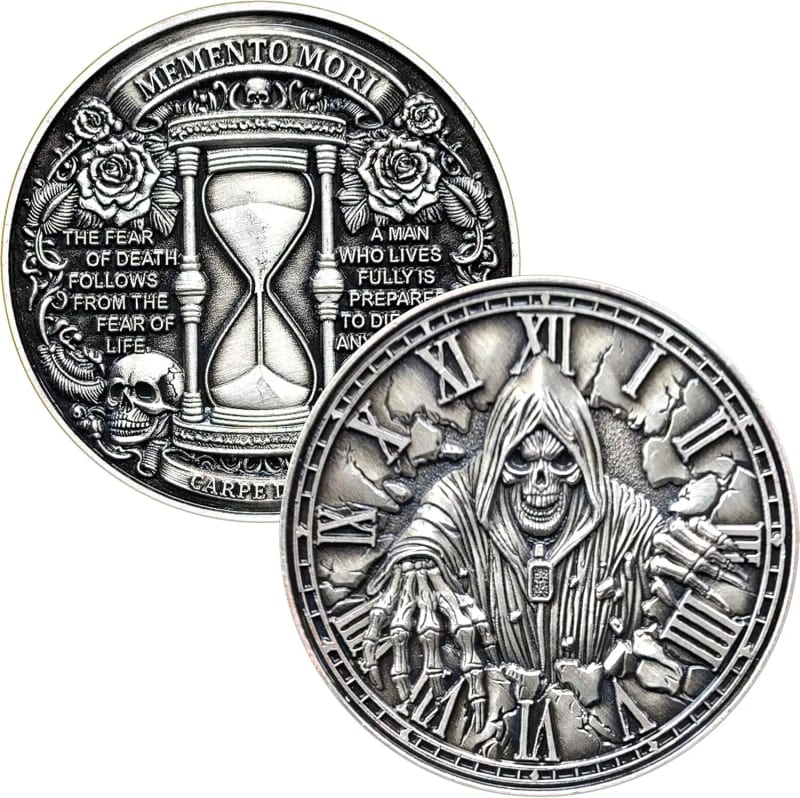
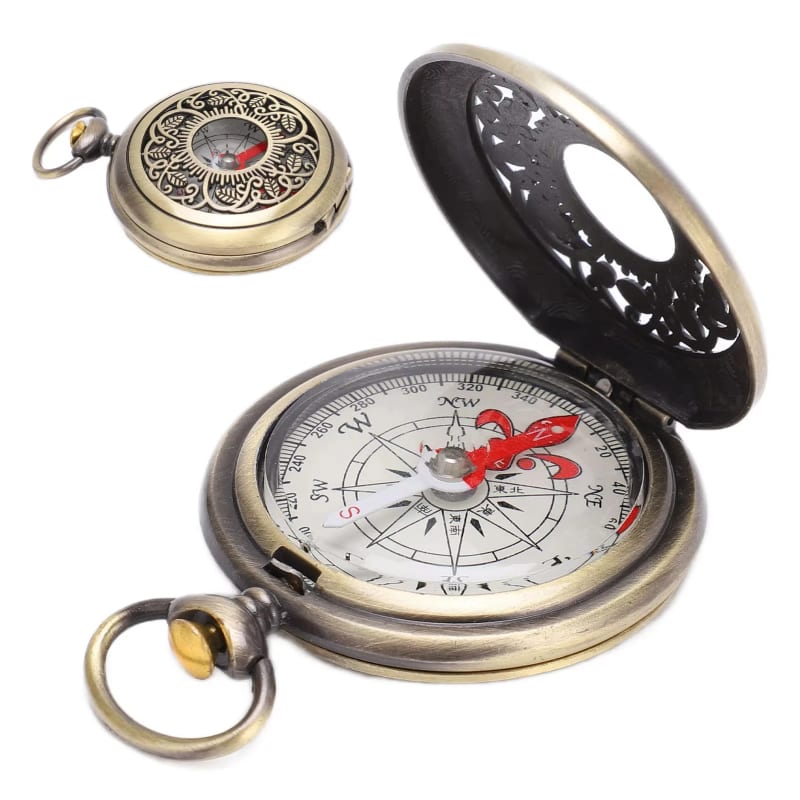
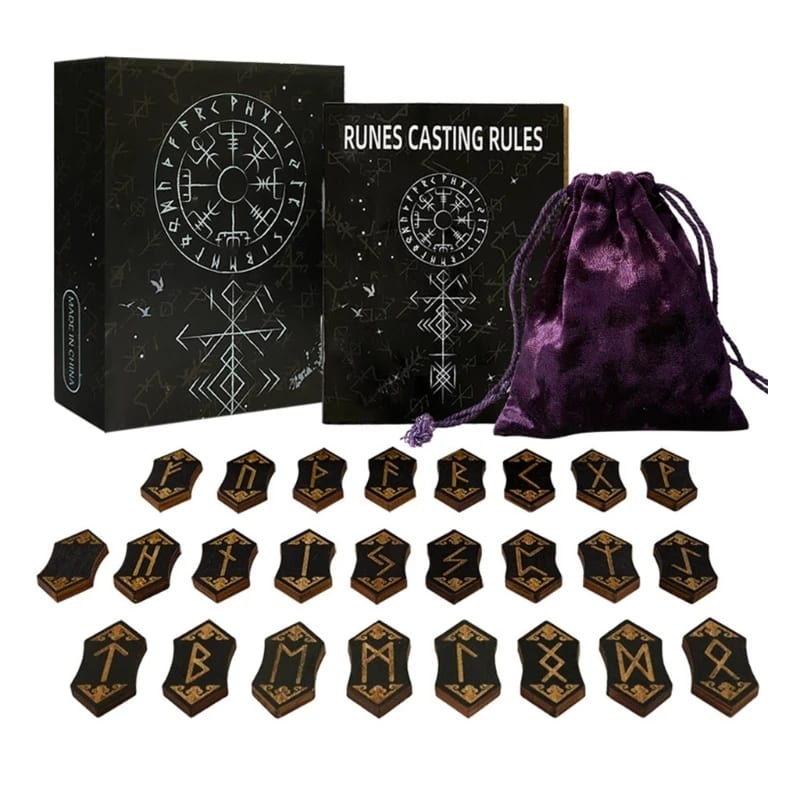
Our Elder Futhark rune set has 24 wooden runes in a bag and box; see how to read runes. The pocket compass pairs well with the Vegvísir story, and our memento mori coin carries a courage-in-the-face-of-death idea the sagas would recognise. More ideas: Viking gifts for him.
Frequently asked questions
What does the Helm of Awe symbolize?
Protection and invincibility: a sign meant to fill enemies with fear and keep the wearer safe.
Is the Helm of Awe a Viking symbol?
The name appears in Old Norse poetry, but the familiar drawing comes from Icelandic magical manuscripts written down centuries after the Viking Age.
What is the difference between the Helm of Awe and the Vegvísir?
The Helm of Awe is for protection and has forked arms; the Vegvísir is a wayfinding sign meant to stop the bearer getting lost.
How do you pronounce Ægishjálmur?
Roughly "EYE-yis-hyowl-mur" in modern Icelandic; English speakers often just say "helm of awe".