How to Flip a Coin (and Through Your Fingers)
Nov 7, 2026 · The Editors
How to flip a coin properly with your thumb, how to catch it, how to make a fair toss, and how to roll a coin across and between your fingers — the knuckle roll step by step.

Everybody has flipped a coin, but surprisingly few do it well. A good flip is high, spinning fast, and caught cleanly. Here is the technique — and the party piece that comes next: rolling a coin across your knuckles.
How to flip a coin
- Make a loose fist with your thumb tucked under your index finger, as if you were giving a thumbs-up that changed its mind.
- Rest the coin flat on the side of your curled index finger, balanced on top of your thumbnail.
- Flick your thumb up sharply. The thumb strikes the edge of the coin, sending it spinning end over end into the air. Aim for about head height.
- Catch it in the palm of the same hand, or let it land on the floor or the table.
- Slap it onto the back of your other hand, if that is your tradition, and uncover it.
A heavier coin spins better and is easier to catch than a light one.
Making the toss fair
- Call it in the air, not before the flip and not after the catch.
- The flipper should not see which side is up when they start.
- Flip high and fast — a coin that wobbles up a few inches is not a fair toss.
- Let it land on a soft surface if there is any argument about a catch.
Even a good flip is not exactly 50/50. Here is why.
How to flip a coin through your fingers: the knuckle roll
The knuckle roll walks a coin across the backs of your fingers and back under them. It looks impossible and takes a few weeks of idle practice.
- Balance the coin flat on the back of your index finger, between the first and second knuckles, with your hand palm down. Your thumb steadies it from below.
- Tip the coin over onto your middle finger: lift your index finger slightly so the coin rolls over its edge onto the back of the middle finger, pinched upright between them for a moment.
- Lower the middle finger and raise it again to flip the coin on, to the ring finger.
- Repeat to the little finger.
- Return it underneath: let the coin slide off the little finger, catch it with the thumb under the hand, and carry it back to the index finger to start again.
Tips:
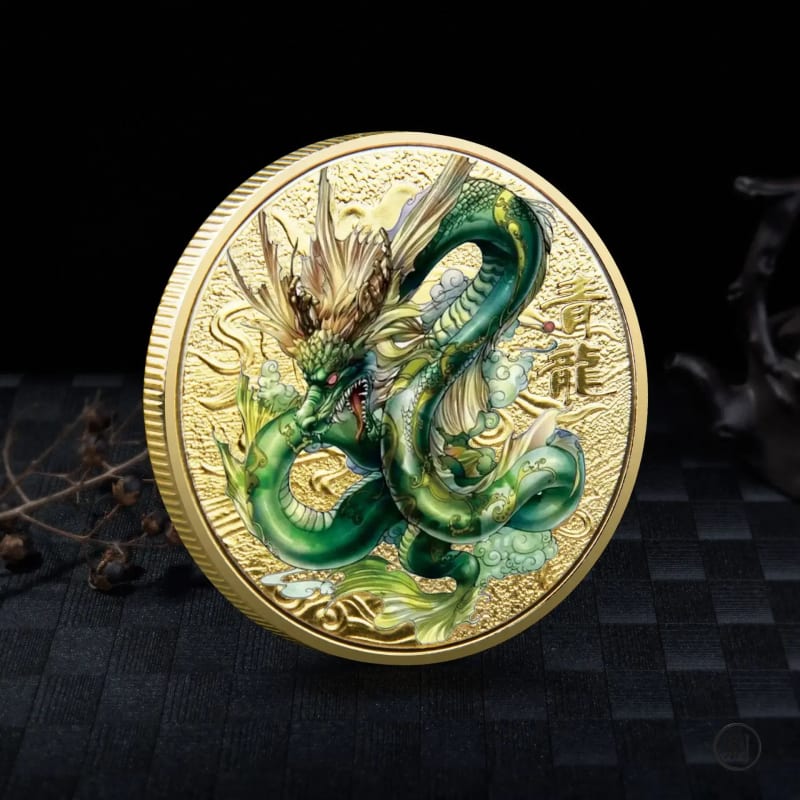
- Use a large, heavy coin. A half-dollar or a 40 mm commemorative coin is far easier than a dime.
- Go slowly. Smoothness comes with time.
- Practise while doing something else — watching television, on the phone. That is how everybody learns it.
Decision coins
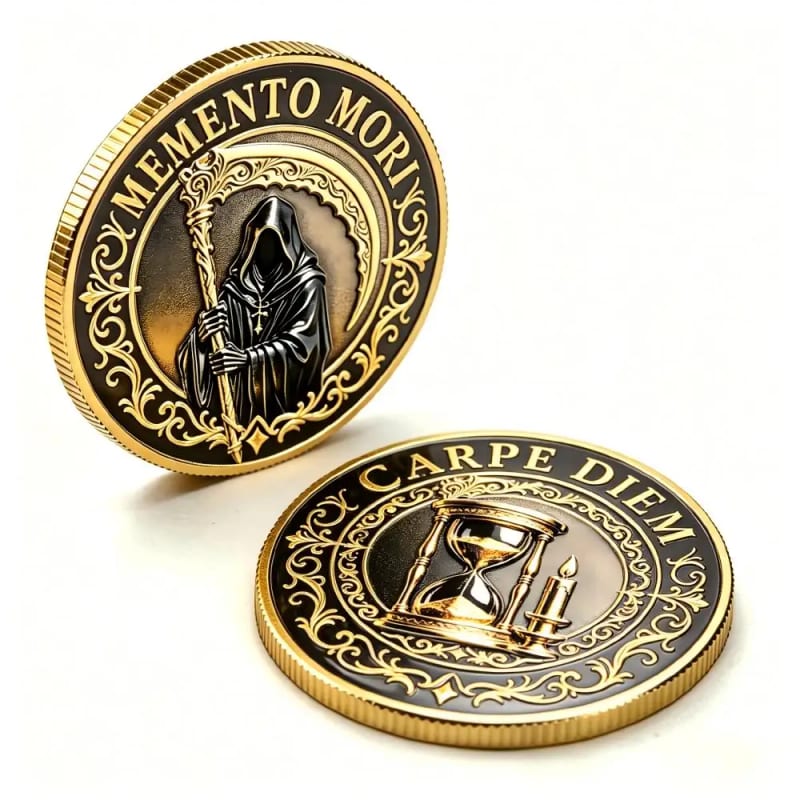
For the decisions that a coin is really for — where to eat, who deals, who washes up — a decision coin says "yes" on one side and "no" on the other, so nobody argues about what heads meant. Flip it, and let the coin take the blame.