Chinese New Year Traditions and Customs, Explained
Nov 7, 2026 · The Editors
The traditions of Chinese New Year: cleaning the house, red decorations, the reunion dinner and lucky foods, red envelopes, firecrackers and the Nian legend, lion and dragon dances, taboos, and the Lantern Festival.
In this guide
Shopping for Christmas? Order by Saturday, December 5. Our items ship from our supplier and most arrive within two weeks.
Chinese New Year — the Spring Festival — is the most important holiday of the Chinese calendar, celebrated by well over a billion people. It falls on the new moon between late January and mid-February. In 2027 it begins on 6 February, ushering in the Year of the Goat.
The celebrations last fifteen days, and almost every custom is about the same thing: sending off the old year's bad luck and welcoming good fortune for the new one.
Before the New Year
Cleaning the house. In the days before, families give their homes a thorough clean, sweeping out the bad luck of the old year. The cleaning must be finished before New Year's Day — sweeping during the first days risks sweeping the new luck away.
Red decorations. Doors are hung with red couplets — paired lines of poetry wishing luck and prosperity — and the character 福 (fú, good fortune). It is often hung upside down, because "upside down" (dào) sounds like "arrived": good fortune has arrived.
Going home. Hundreds of millions travel home in the weeks before — the largest annual migration on earth.
New Year's Eve: the reunion dinner
The most important meal of the year, when the whole family gathers. Many dishes are chosen for their lucky names:
- Fish — yú, which sounds like "surplus". Traditionally some is left over, for a surplus every year.
- Dumplings in the north, shaped like old silver ingots: wealth.
- Nián gāo, sticky rice cake — "higher year by year".
- Spring rolls, like gold bars.
- Long noodles for long life — never cut them.
Families stay up late to see the new year in.
Red envelopes
Elders give red envelopes — hóngbāo — of money to children and unmarried younger relatives, and employers give them to staff. The amount avoids the number four, which sounds like the word for death; amounts with 8 are especially lucky. Today many are sent by phone.
Firecrackers and the Nian legend
Legend tells of the Nian, a beast that came every New Year to attack villages. It was afraid of three things: loud noise, fire and the colour red. So people hung red decorations, lit fires and set off firecrackers — and the beast stayed away. The word for celebrating the New Year, guònián, means "passing the Nian".
Lion and dragon dances
Lion dances, performed by two dancers in one costume, visit homes and businesses to drive out bad spirits and bring luck. The long dragon dance winds through the streets behind a pearl. Dragon symbolism.
Taboos for the first days
- No sweeping or taking out the rubbish — the luck goes with it.
- No breaking things. If a dish breaks, say suì suì píng ān — "peace every year".
- No washing hair on the first day — it washes away fortune.
- No unlucky words — death, illness, the number four.
- No lending or borrowing money.
Games
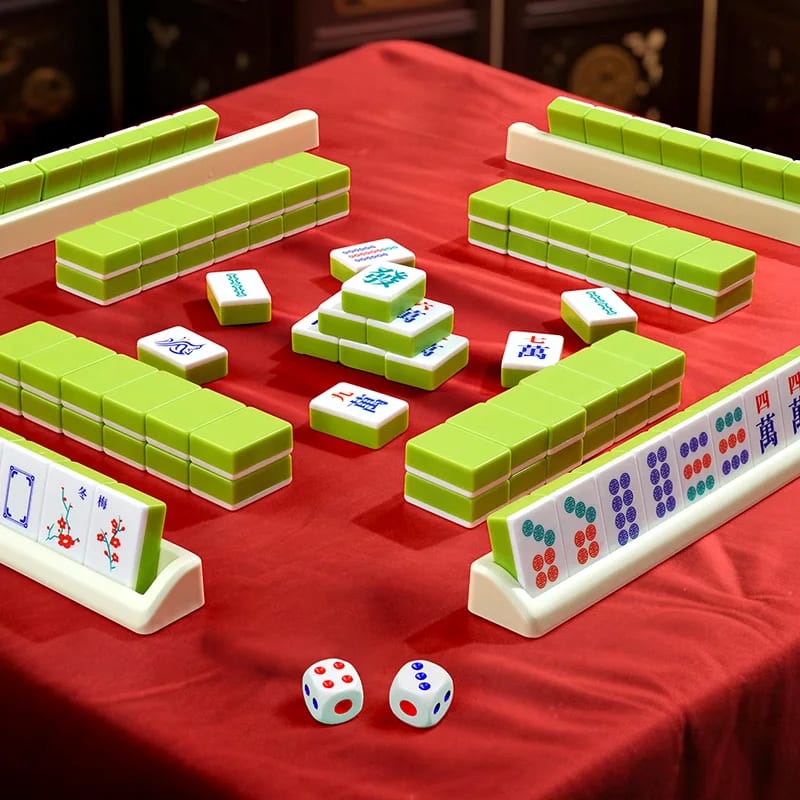
New Year is a time for family games. Mahjong tables come out across China, and card games and dice games are played late into the night. How to play mahjong.
The Lantern Festival
The fifteenth day ends the celebrations with the first full moon: lanterns are lit and hung, riddles written on them are solved, and families eat tāngyuán, sweet rice balls whose round shape stands for togetherness.
New Year gifts
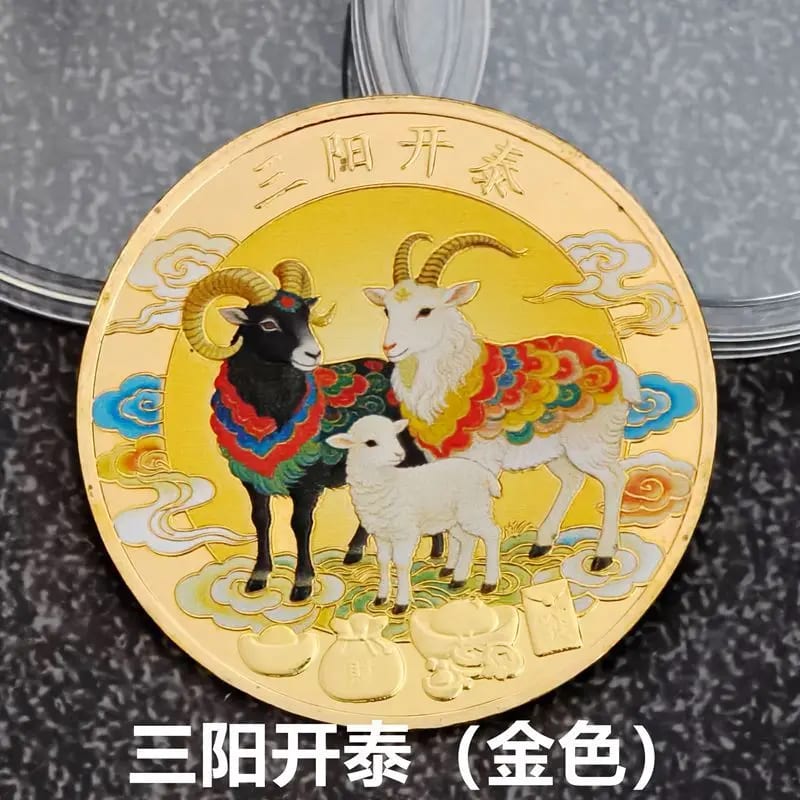
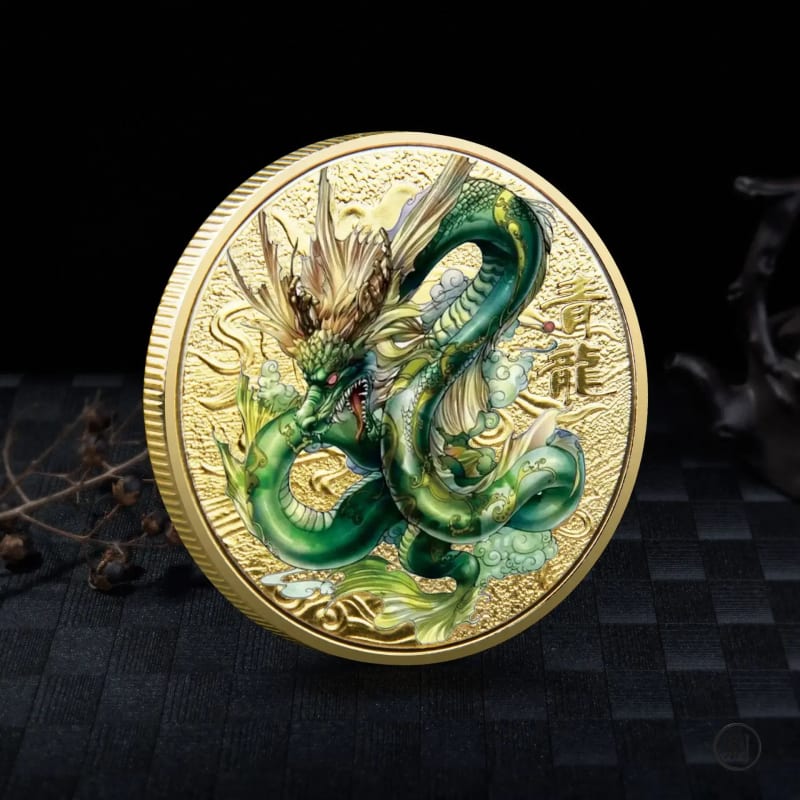
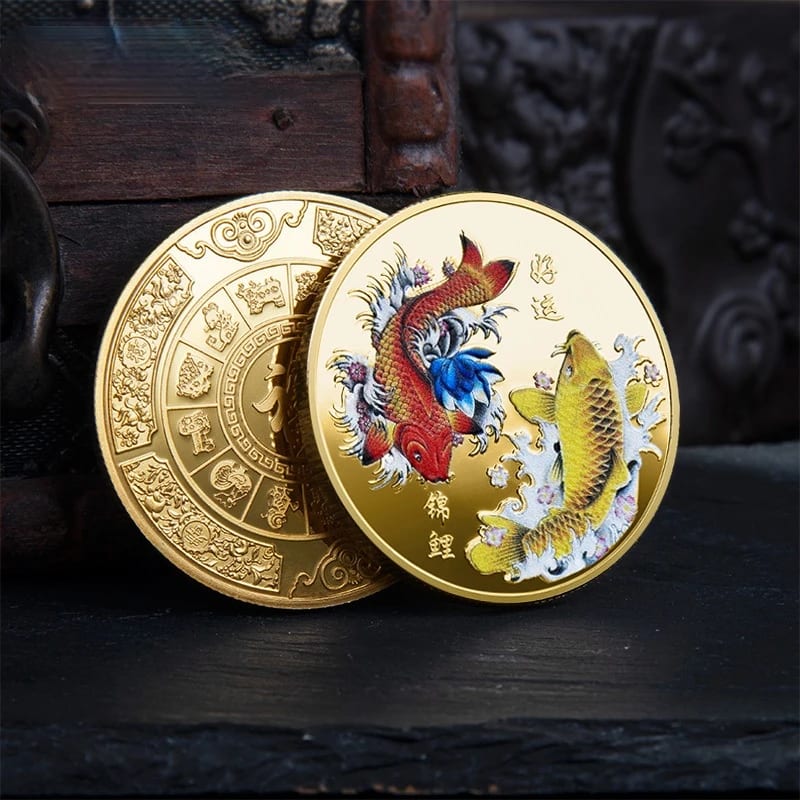
Gifts should come in pairs and in red or gold. Lucky coins — a zodiac coin for the coming year, a dragon or a koi — are traditional and keep long after the envelopes are spent. The Year of the Goat 2027.
Mentioned above