Svengali Deck
$20.99Beginner
The spectator believes they chose a card freely. They did not: the magician decided which card they would take before they reached for the deck.
What they see
A force is invisible by definition. The audience sees a perfectly fair choice: the deck is riffled and they call stop, or the cards are spread and they touch one, or they cut wherever they like. They take a card, look at it, and remember it.
Nothing they saw suggests the choice was anything but free. That is the point. Every trick that follows — the prediction written an hour earlier, the card that turns up in a sealed envelope, the name the performer already knew — rests on the spectator being certain they chose.
A good force is never noticed. A bad one is the moment a whole routine falls apart, which is why magicians talk about forcing more than about almost anything else.
Provenance
Forcing a card is as old as card magic itself, and the classic force — offered with a spread of cards — appears throughout nineteenth-century writing and was regarded even then as a test of skill.
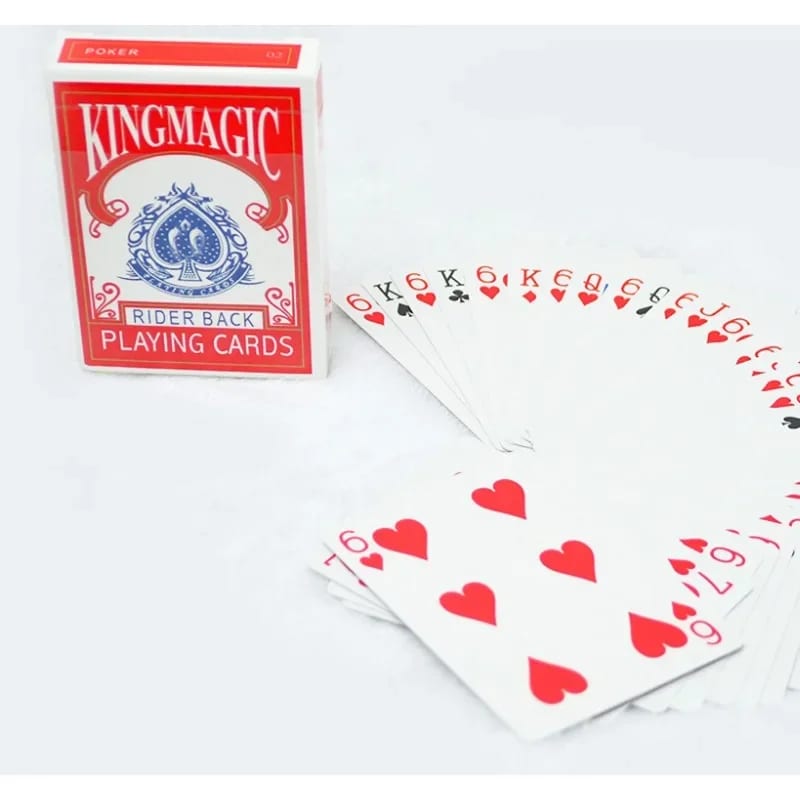
Alongside sleight-of-hand forces, magicians have long used forcing decks, decks arranged or made so that the choice is controlled, and the Svengali deck is the best-known example in print. Mentalists rely on forcing more than anyone, and a large part of the mentalism literature is about forces that look like nothing at all.
Learning it
Some forces take minutes and some take years. A forcing deck lets a complete beginner force a card on the first day; the classic sleight-of-hand force is notoriously difficult and many experienced card workers still avoid it with strangers.
The most important skill is the same for both: acting as though the choice does not matter. A performer who watches the spectator's hand too closely, or rushes them, gives away the fact that it does.
If you are starting out, begin with a forcing deck and spend the time on presentation; the prediction tricks it unlocks are some of the strongest in close-up magic.
Coming soon
We're preparing lessons that teach classic tricks step by step, for members. Leave your email and we'll write once, when they open. Nothing else.
What you need
Next
Prediction
Dice that land on the number you need. A prediction written before anything is thrown, matched by a roll the spectator makes themselves.
Card Effect
A deck tapered down one edge so a reversed card can be found by touch — the workhorse gaff that does a dozen tricks and asks almost nothing.
Card Effect
A spectator names a card, the deck is riffled to show every card different, and the named one is the only one there — the trick deck that has sold at fairgrounds for a century.