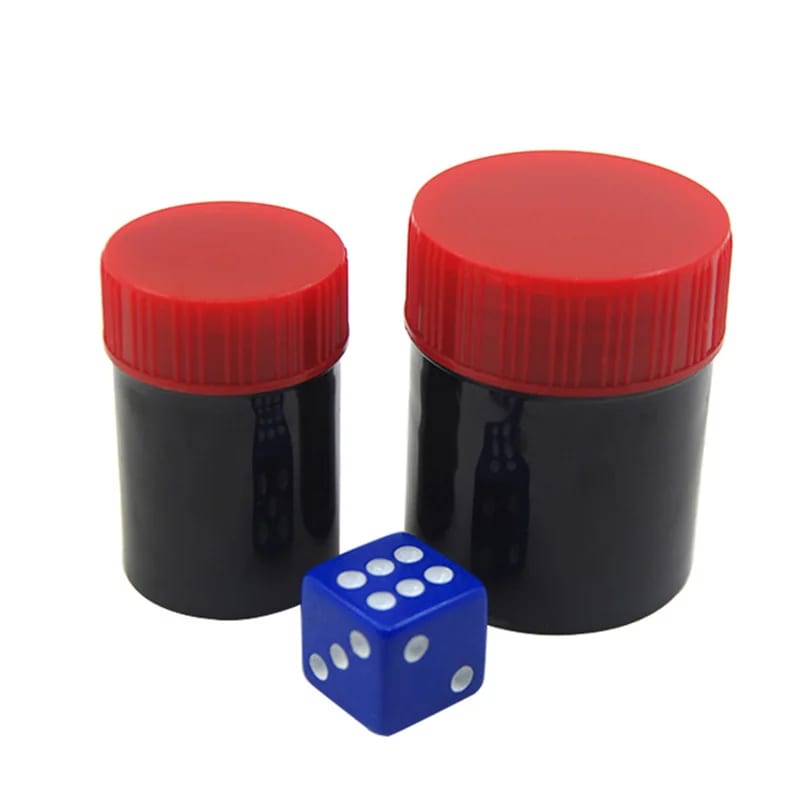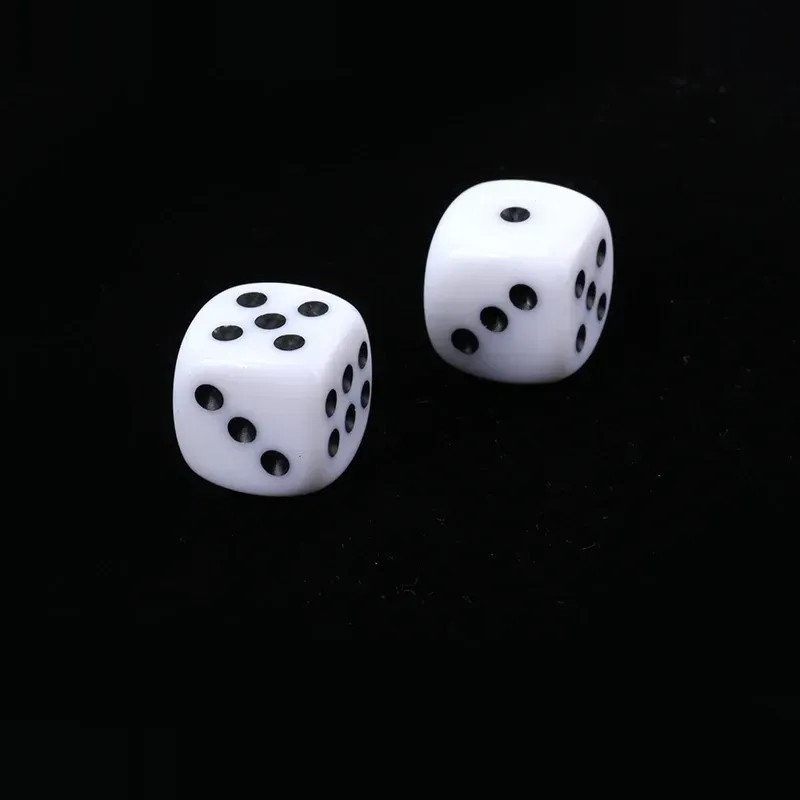
Forcing Dice
$11.99Beginner
Dice that land on the number you need. A prediction written before anything is thrown, matched by a roll the spectator makes themselves.
What they see
A prediction is written and set aside, face down, before the dice are touched.
The spectator throws. They pick the dice up, shake them, throw again, add the faces, do whatever they are asked. The number they arrive at is the number on the paper.
The stronger presentations never mention the dice. The performer is predicting a decision the spectator feels they made — which page they will turn to, which of six objects they will pick — and the dice are simply how the decision got made.
Provenance
Gaffed dice are old and come, like marked cards, from the cheating table rather than from conjuring. Loaded and mis-spotted dice are documented in gambling literature for centuries.
Magic adopted them as mentalism props: where a cheat wants a number nobody notices, a mentalist wants a number everybody sees and nobody doubts, which turns out to need different dice.
Learning it
Nothing to learn mechanically and everything to learn about framing.
The dice do their job the moment you own them. The entire skill is in making a forced number feel like a free choice, which means the spectator must handle them, throw them more than once, and never be hurried.
The common failure is using them twice for the same person. Like every forcing prop, the method is invisible once and obvious twice.
What you need
Next
Mentalism
An ordinary-looking finger ring that makes borrowed metal behave strangely — a utility prop for mentalism rather than a trick of its own.
Vanish
Three cups, a few small balls, and the oldest routine in conjuring — balls vanish, travel between cups, and finish under something far too large to have been hidden.
Vanish
A small ball in a turned wooden or brass vase vanishes, returns, and changes place — the prop that has been in beginners' boxed sets for over a century.