Vanitas Paintings: Meaning, Symbols and Famous Examples
Nov 7, 2026 · The Editors
What a vanitas painting is: the 17th-century Dutch still lifes that remind us life is short, what each symbol means — skulls, hourglasses, candles, flowers, bubbles, books, coins and playing cards — and famous painters.
A vanitas is a still-life painting full of beautiful objects with a single message: all of this will pass. The skull beside the jewels, the guttering candle beside the books, the wilting flowers — each one says that wealth, learning, pleasure and beauty cannot outlast death.
Where the name comes from
Vanitas is Latin for emptiness or futility. It comes from the Book of Ecclesiastes: "Vanity of vanities, all is vanity" — everything people chase is as fleeting as a breath.
When and where
Vanitas painting flourished in the Dutch Republic in the 1600s, especially in the university city of Leiden, where Protestant thought, scholarship and new wealth met. The Dutch were growing rich on trade, and the vanitas was a reminder, hung on the walls of that wealth, not to love it too much.
What the symbols mean
| Symbol | Meaning |
|---|---|
| Skull | Death, the one certainty |
| Hourglass, clock, watch | Time running out |
| Candle, often snuffed or guttering | Life burning down; its sudden end |
| Flowers, sometimes wilting | Beauty that fades |
| Rotting or overripe fruit | Decay |
| Soap bubbles | Life's fragility — gone in a moment |
| Books and writing tools | Knowledge, which death ends |
| Musical instruments | Pleasures of the senses, fleeting as sound |
| Coins, jewels, shells | Wealth and rare possessions |
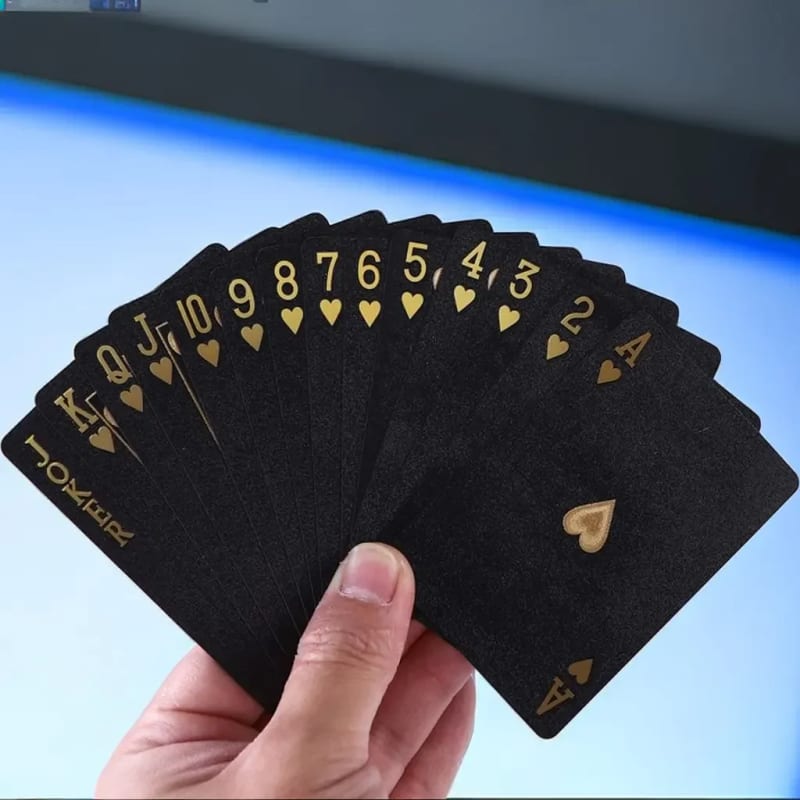
| Playing cards and dice | Chance, gambling and idle pleasure |
| Wine glasses, sometimes tipped over | Indulgence |
| Smoke and pipes | Life as vapour |
Look for playing cards in a vanitas: a scattered hand, often with a high card on top, stood for the gambler's life — chasing fortune with no thought for what really matters.
Famous vanitas painters
- Harmen Steenwijck, whose Allegory of the Vanities of Human Life (around 1640) is in the National Gallery, London.
- Pieter Claesz, master of the quiet, nearly monochrome still life with a skull and a book.
- David Bailly, whose Self-Portrait with Vanitas Symbols (1651) shows the painter surrounded by the objects of his life.
- Willem Claesz Heda and Jan Davidsz de Heem, whose lavish tables carry the same warning.
Vanitas and memento mori
The two ideas are close cousins:
- Memento mori — "remember you must die" — is the message.
- Vanitas is the way of painting it: a still life of worldly things, each a reminder.
Memento mori meaning · Carpe diem meaning.
Vanitas today
The vanitas never went away. Contemporary artists keep returning to it, from diamond-covered skulls to photographs of decaying flowers. And many people keep a small vanitas of their own on a desk: a pocket watch, a skull, a coin with an hourglass on it — something to glance at when the day's worries feel too large.
Mentioned above
Products in this guide
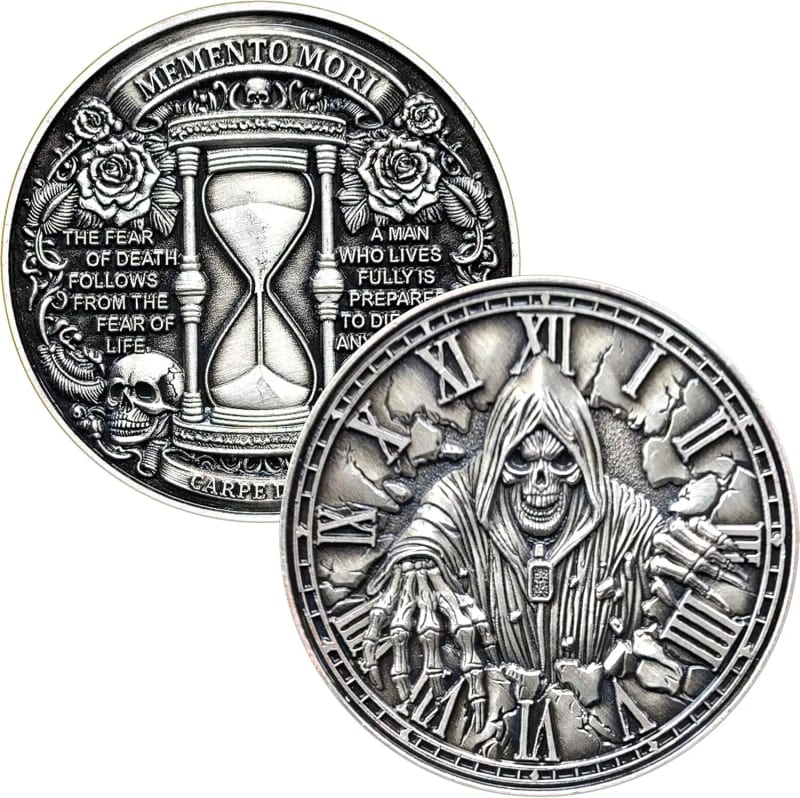
Memento Mori Coin — Hourglass and Reaper, Antique Silver
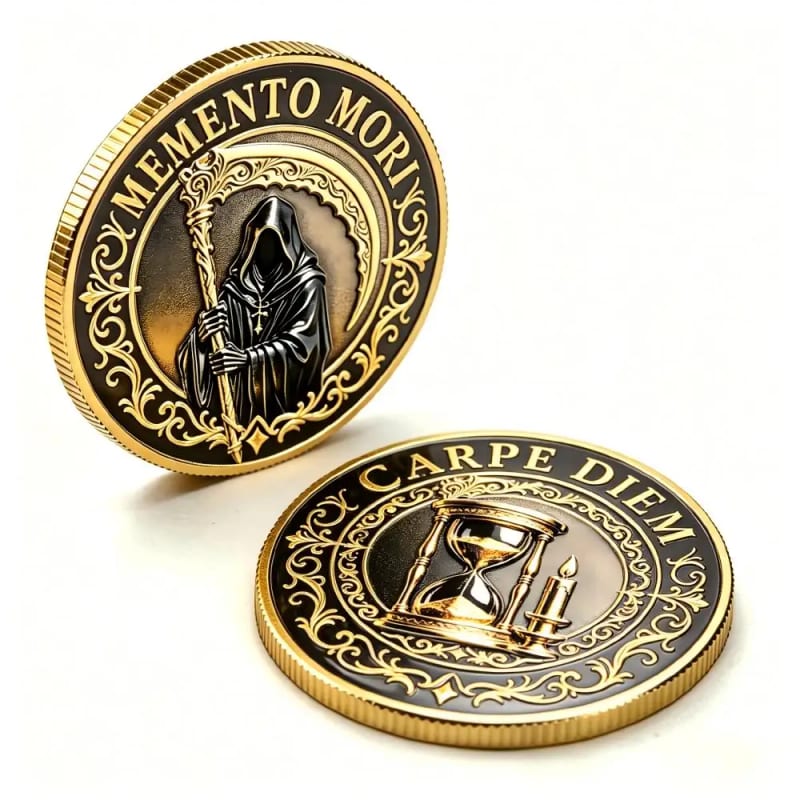
Memento Mori Coin — Grim Reaper, Gold, in Display Case

Steampunk Pocket Watch — Bronze, Roman Numerals, Chain

Feather Quill Pen — Five Nibs, Brown