2 Dice Probability Chart: The Odds of Every Sum (and Rolling a 7)
Nov 15, 2026 · The Editors
Two dice probability chart: all 36 outcomes, the chance of each sum from 2 to 12, why 7 is most likely, doubles, snake eyes, at least one six, and the formula behind it.
With two six-sided dice there are 36 equally likely outcomes, and 7 is the most likely sum: 6 of the 36 outcomes make it, a probability of 1 in 6 (about 16.7%). The least likely sums are 2 and 12, each 1 in 36 (about 2.8%).
Two dice probability chart
| Sum | Ways to roll it | Probability | Percent | Odds against |
|---|---|---|---|---|
| 2 | 1 (1+1) | 1/36 | 2.78% | 35 to 1 |
| 3 | 2 | 2/36 | 5.56% | 17 to 1 |
| 4 | 3 | 3/36 | 8.33% | 11 to 1 |
| 5 | 4 | 4/36 | 11.11% | 8 to 1 |
| 6 | 5 | 5/36 | 13.89% | 6.2 to 1 |
| 7 | 6 | 6/36 | 16.67% | 5 to 1 |
| 8 | 5 | 5/36 | 13.89% | 6.2 to 1 |
| 9 | 4 | 4/36 | 11.11% | 8 to 1 |
| 10 | 3 | 3/36 | 8.33% | 11 to 1 |
| 11 | 2 | 2/36 | 5.56% | 17 to 1 |
| 12 | 1 (6+6) | 1/36 | 2.78% | 35 to 1 |
The 36 outcomes add up: 1+2+3+4+5+6+5+4+3+2+1 = 36.
Why 7 is the most likely sum
Each die is separate, so 3 then 4 is a different outcome from 4 then 3. Seven can be made six ways — 1+6, 2+5, 3+4, 4+3, 5+2, 6+1 — and no other sum has that many. Two can only be 1+1, and twelve only 6+6.
That is why the chart forms a triangle (a "probability curve" that rises to 7 and falls away), and why so many dice games revolve around 7.
The formula for two dice
For two fair six-sided dice, the probability of rolling a sum s (from 2 to 12) is:
P(s) = (6 − |s − 7|) ÷ 36
Check it: for s = 7, (6 − 0) ÷ 36 = 6/36. For s = 2, (6 − 5) ÷ 36 = 1/36. The average (expected) sum is exactly 7.
Other two-dice probabilities
| Event | Probability | Percent |
|---|---|---|
| Any double | 6/36 = 1/6 | 16.67% |
| A specific double (e.g. double six) | 1/36 | 2.78% |
| Snake eyes (double one) | 1/36 | 2.78% |
| At least one six | 11/36 | 30.56% |
| No six at all | 25/36 | 69.44% |
| A 7 or an 11 | 8/36 | 22.22% |
| Sum of 2, 3 or 12 | 4/36 | 11.11% |
| Sum of 8 or more | 15/36 | 41.67% |
| An even sum | 18/36 | 50% |
At least one six catches many people out: it is not 2 in 6. The chance of no six on two dice is 5/6 × 5/6 = 25/36, so at least one six is 1 − 25/36 = 11/36.
Where this matters in dice games
- Casino-style dice. A 7 or 11 on the first roll wins and 2, 3 or 12 loses in the classic casino game — the table above is why. See how to play craps at home.
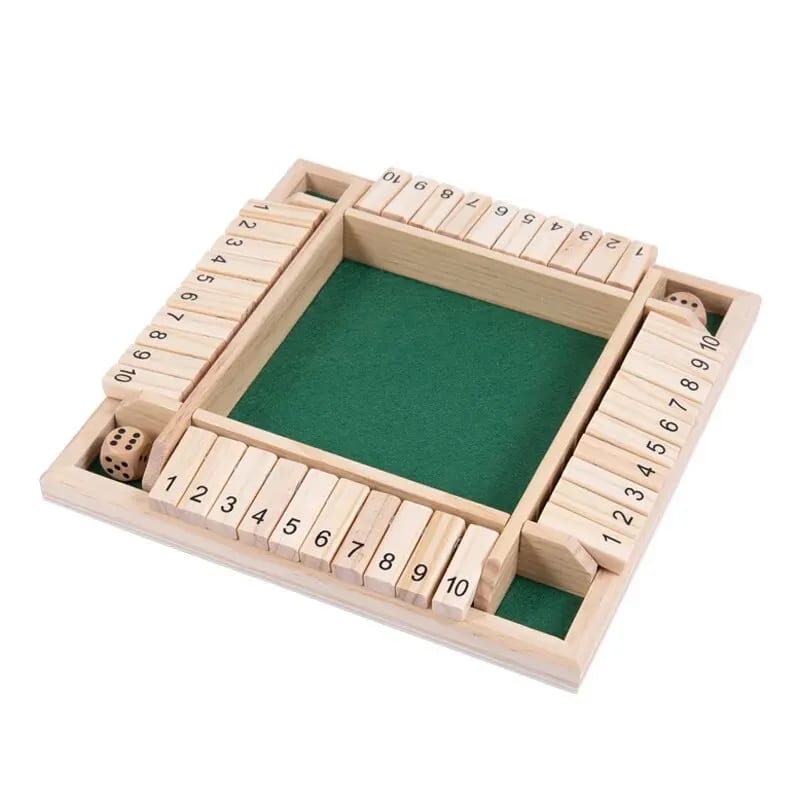
- Shut the box. With two dice, totals of 6, 7 and 8 come up most, so keeping combinations for those totals open is the core of shut the box strategy.
- Backgammon. Doubles come one roll in six, and you move twice as far when you get them. See how to play backgammon.
- Bluffing games. Knowing the odds is the edge in liar's dice.
Roll it yourself
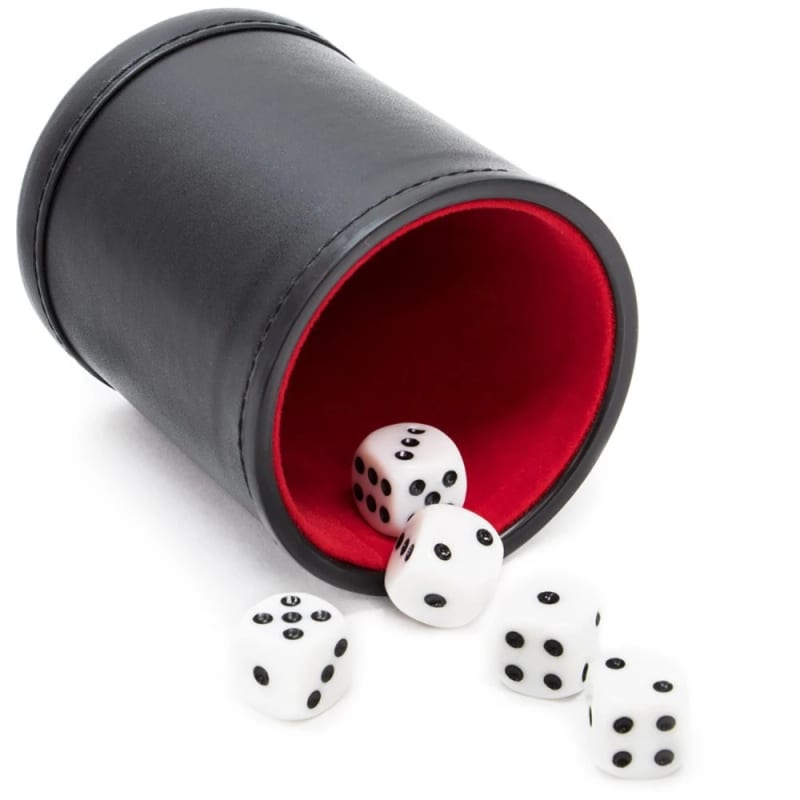
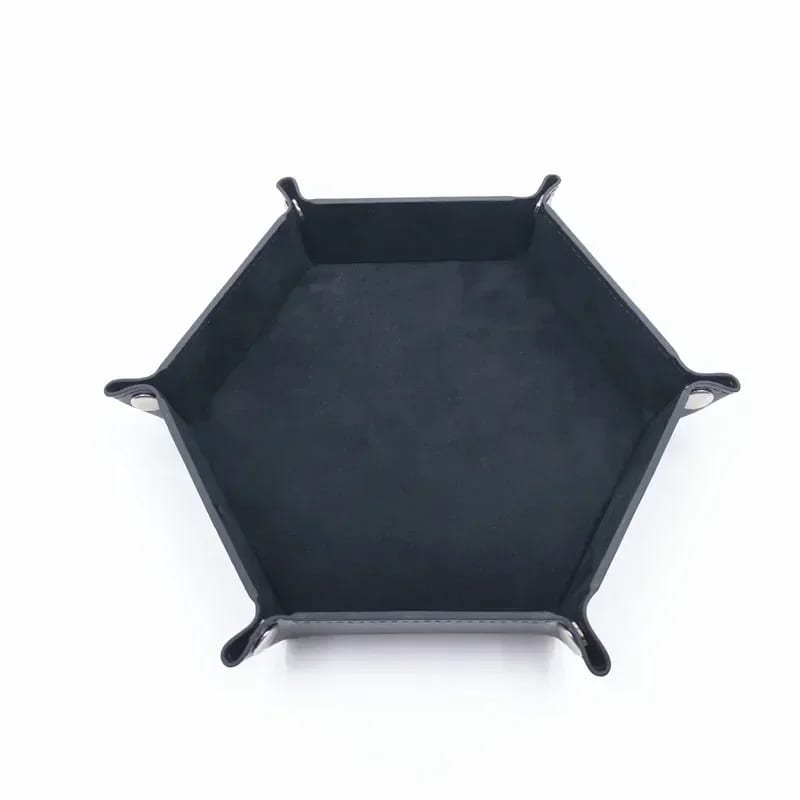
A probability chart is easy to test. Roll two dice 360 times and tally the sums; you should see roughly 60 sevens, 10 twos and 10 twelves, though real results always wander. A folding dice tray keeps the dice on the table, and a leather dice cup gives a fair, well-mixed throw. For a game built on these numbers, try shut the box.
Frequently asked questions
What is the probability of rolling a 7 with two dice?
1 in 6, or about 16.7%. Six of the 36 possible outcomes add up to 7.
What is the most common roll with 2 dice?
Seven. It can be made six ways, more than any other sum.
What are the odds of rolling doubles with two dice?
1 in 6 for any double, and 1 in 36 for a particular double such as double six.
What is the probability of getting at least one six with two dice?
11 in 36, about 30.6%, because the chance of no six is 25 in 36.