Liar's Dice Rules: How to Play the Bluffing Dice Game
Nov 4, 2026 · The Editors
Five dice, a cup each, and a bid on what's under everyone's cups. How to play liar's dice, with the common house rules.

Liar's dice is a bluffing game played with dice hidden under cups. Everyone can see their own dice and nobody else's, and each player in turn makes a bid about what is under all the cups. It is part maths, part poker face, and it is the best game there is for a table of four to six with a drink in hand.
What you need
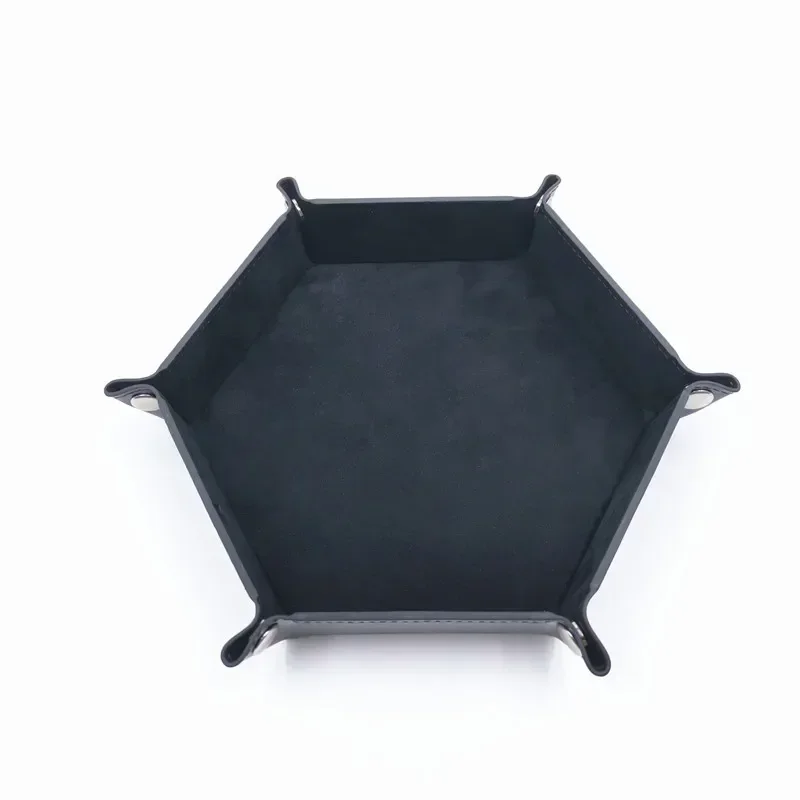
Five dice and a cup for each player. The cup is the whole game: it has to be opaque, it has to be big enough to shake five dice quietly, and you need to be able to tilt it to peek at your own roll without anyone else seeing. Felt-lined leather cups are the traditional choice.
Setup
Everyone shakes their dice under their cup and slams it down. Each player peeks at their own dice. Decide who starts.
Bidding
A bid names a quantity and a face: "four threes" means "I think there are at least four threes among all the dice on the table".
The next player must either:
- raise the bid — bid more dice of any face ("five twos"), or the same number of a higher face ("four fives"), or
- call "liar" — challenge the previous bid.
Calling
When someone calls, everyone lifts their cups and the dice are counted.
- If there are at least as many of the face as was bid, the bid stands: the caller loses a die.
- If there are fewer, the bidder loses a die.
Everyone rerolls the dice they have left and a new round begins, usually started by the player who lost a die.
Ones are wild
In the most common version, ones count as every face: a bid of "four sixes" counts sixes and ones together. Because that makes ones powerful, bidding on ones is treated specially — in many houses a bid on ones only needs to be about half the quantity of the bid before it.
Winning
A player with no dice left is out. The last player with any dice wins.
House rules worth agreeing
- Spot on: instead of raising or calling, a player can claim the last bid is exactly right. If it is, everyone else loses a die (or the claimer wins one back); if not, the claimer loses one.
- No wild ones, for a purer game of probability.
- Palifico: when a player is down to their last die, nobody may change the face of the bid that round.
The maths, roughly
Each die has a one in three chance of showing a given face once ones are wild. So with 20 dice on the table, about seven of any face is the expected count. Bids well above that are bluffs or brave; below it, nearly safe.
Where it comes from
Dice bluffing games go back centuries in South America and Spain — the version known as Perudo or Dudo is often linked to Peru — and liar's dice reached a wide new audience as the pirates' game in the second Pirates of the Caribbean film.
Mentioned above