How to Host a Poker Night at Home
Nov 7, 2026 · The Editors
How to host a poker night at home: how many to invite, cash game or tournament, buy-ins and chips, a blind structure, the table, food and drink, house rules — and a checklist for the night.
A good poker night is mostly about the hosting, not the poker. Get the table, the chips and the pace right and people will ask when the next one is.
Who and how many
- Six to eight players is the sweet spot for one table. Fewer and it feels thin; more and players wait too long between hands.
- Mix experience levels if you like, but tell beginners the format in advance.
- Invite one or two more than you need — someone always drops out.
Cash game or tournament?
- Cash game: chips are worth money (or nothing). Players can join late, leave early and buy more chips. Relaxed, and good for mixed groups.
- Tournament: everyone starts with the same stack and plays until one player has every chip. Blinds rise on a timer. Exciting and has a clear finish — but players knocked out early sit and watch.
For a first night, a tournament with one rebuy or a low-stakes cash game both work well.
Chips and buy-ins
Decide the buy-in in advance, keep it low enough that nobody minds losing, and check your state's rules on social gaming if money is involved. Plenty of groups play for nothing but bragging rights.
Allow about 30–50 chips per player. How many chips you need · Chip values by colour.
A simple tournament blind structure
Starting stacks of 10,000, levels of 20 minutes:
| Level | Small blind | Big blind |
|---|---|---|
| 1 | 25 | 50 |
| 2 | 50 | 100 |
| 3 | 75 | 150 |
| 4 | 100 | 200 |
| 5 | 150 | 300 |
| 6 | 200 | 400 |
| 7 | 300 | 600 |
| 8 | 500 | 1,000 |
Take a short break after level 4. With seven or eight players, this usually finishes in about three hours.
The table
- A felt topper turns a dining table into a poker table: cards slide, chips stay put and nothing scratches the wood. Measure first.
- A dealer button and blind buttons keep track of who deals and who posts. How blinds work.
- Two decks with different backs: one is shuffled while the other is dealt.
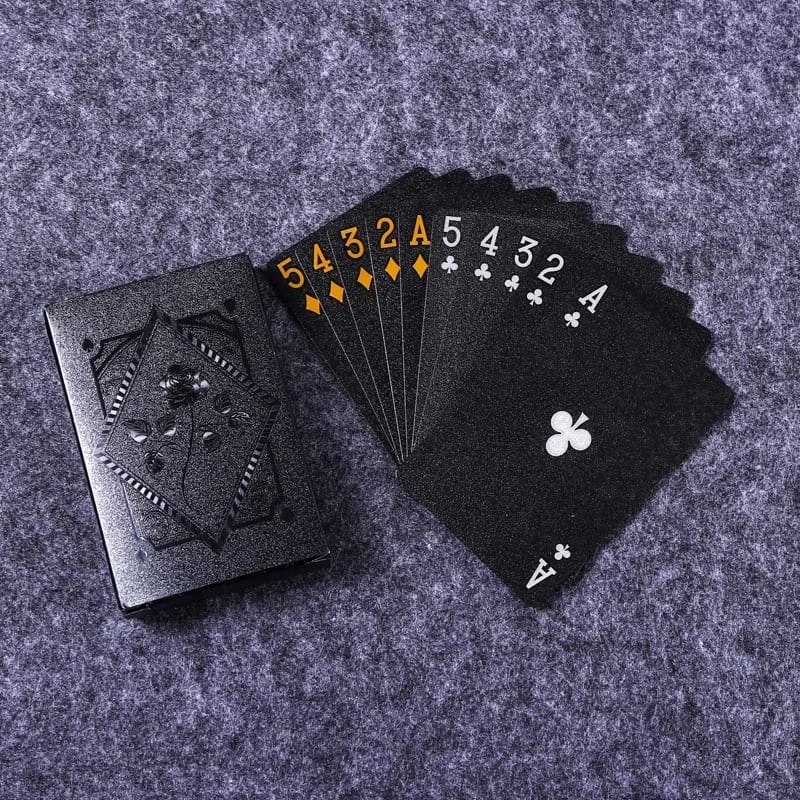
- Plastic cards. Paper cards get marked, bent and sticky by the third hour.
- Good light over the middle of the table.
Food and drink
Keep it clean-handed: things on sticks, sandwiches, bowls of nuts. No wings, no greasy chips near the cards. Put drinks on a side table or in holders, not on the felt.
House rules to agree first
- Buy-in, rebuys and when they close.
- Blind levels and timings.
- No-limit or limit.
- Who deals — a rotating dealer is normal at home.
- Showing cards: show one, show all. Poker etiquette.
Checklist
- Chips counted into stacks before people arrive
- Felt, dealer and blind buttons
- Two plastic decks
- Blind timer (a phone works)
- Pen and paper for buy-ins
- Food that doesn't need a fork
- A printed hand-rankings chart for beginners — here is one
Mentioned above
Products in this guide
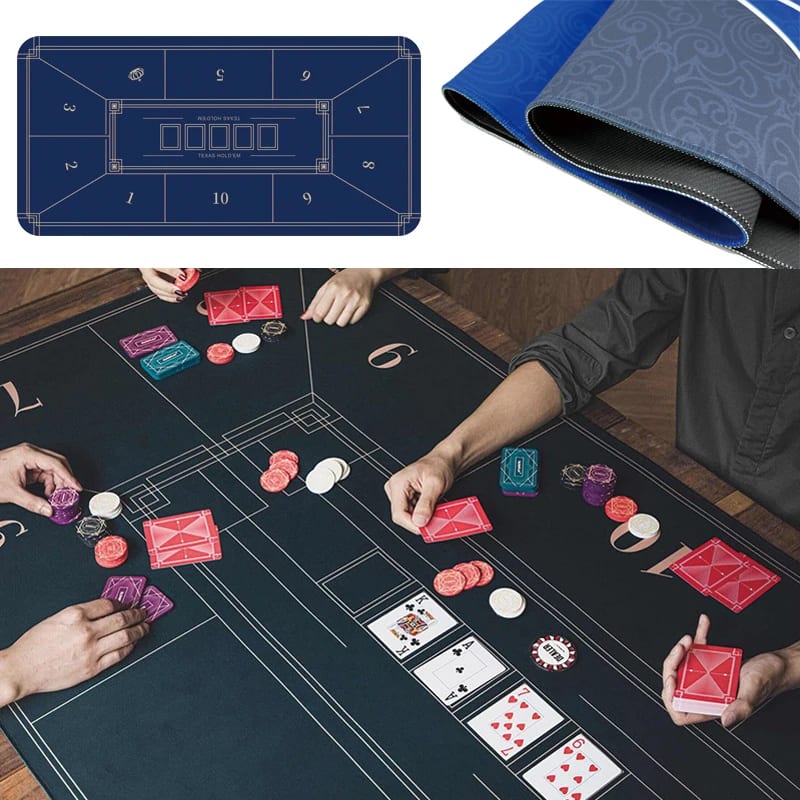
Poker Table Topper — 8 Players, 71 × 35 in
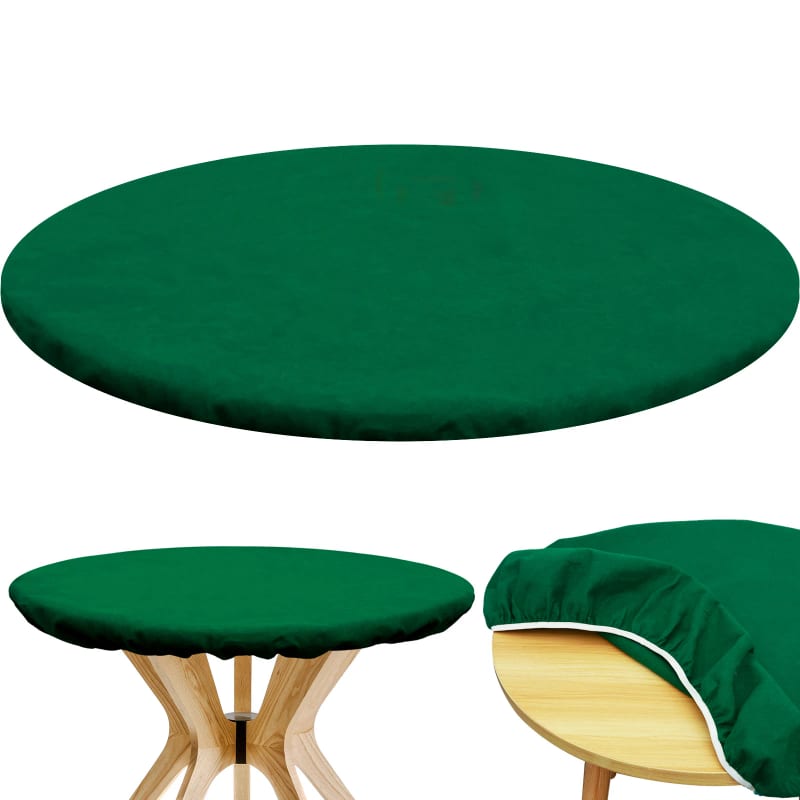
Poker Table Cover — Round, Fits 36–48 in Tables
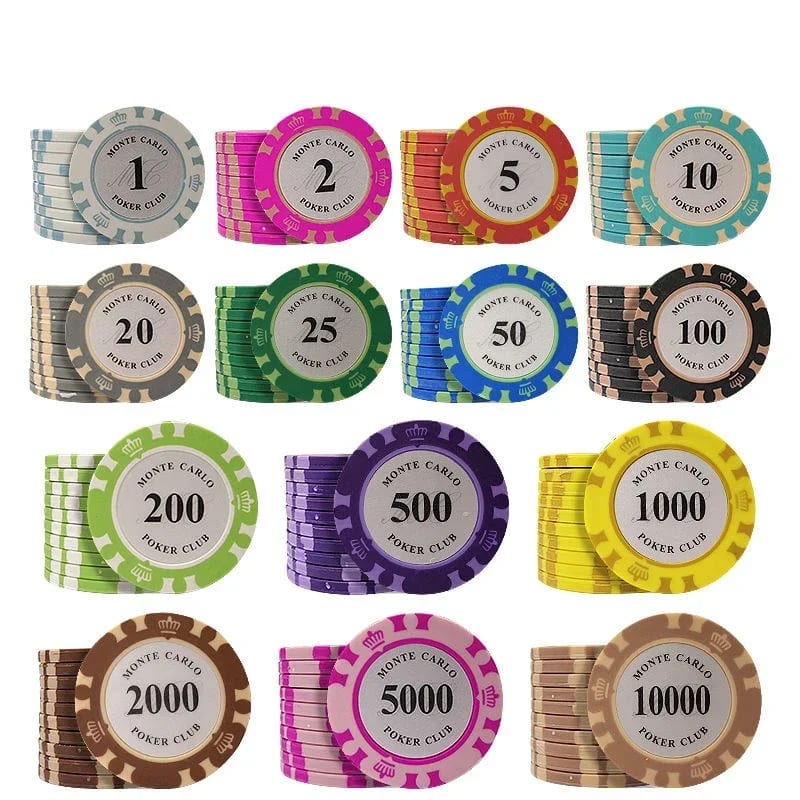
Clay Poker Chips — 10 Piece Set
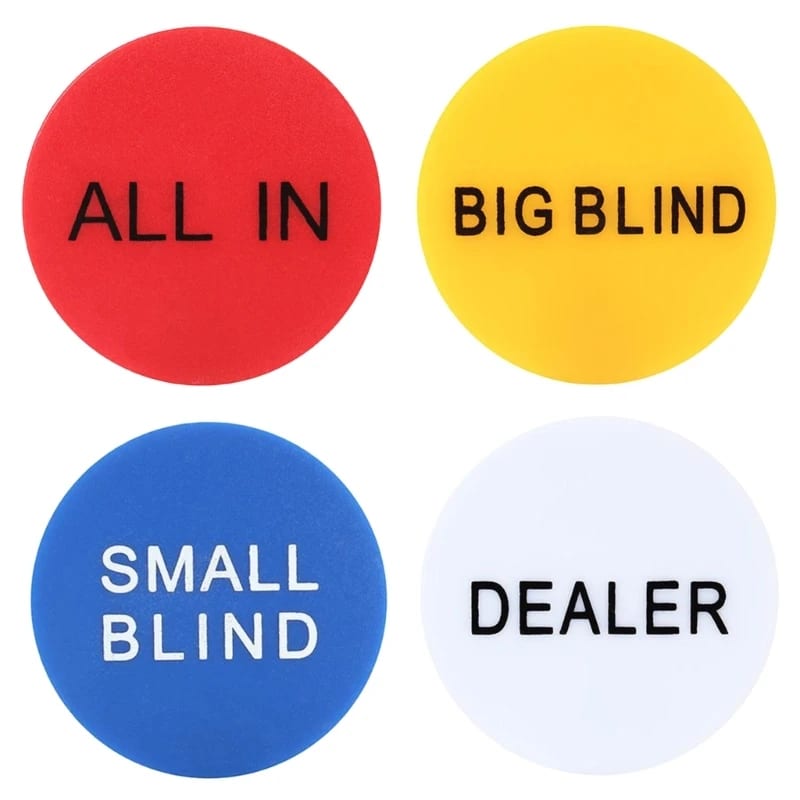
Dealer and Blind Button Set
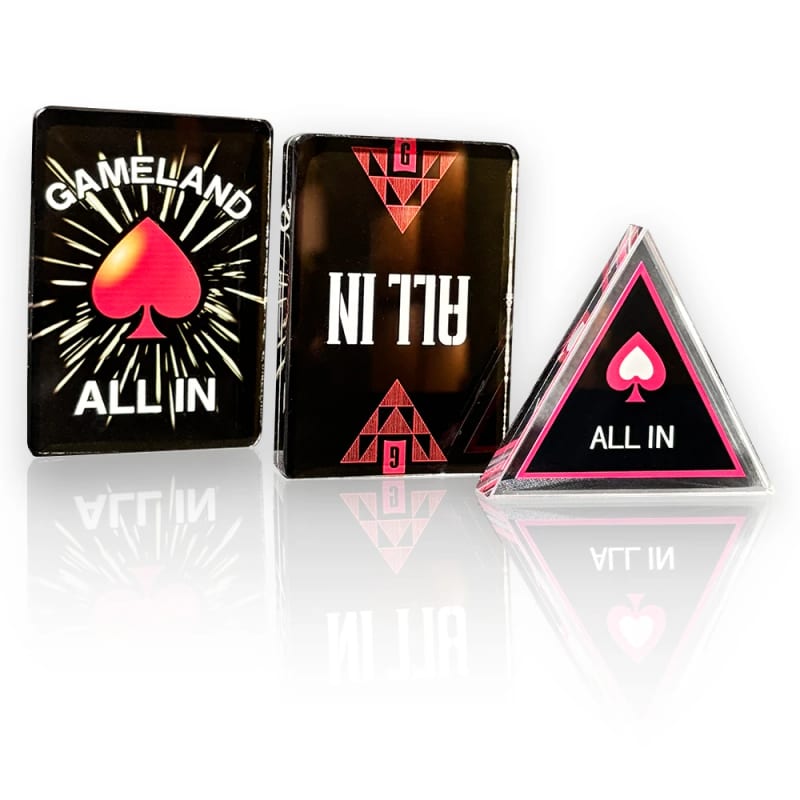
Acrylic Dealer Button — All In
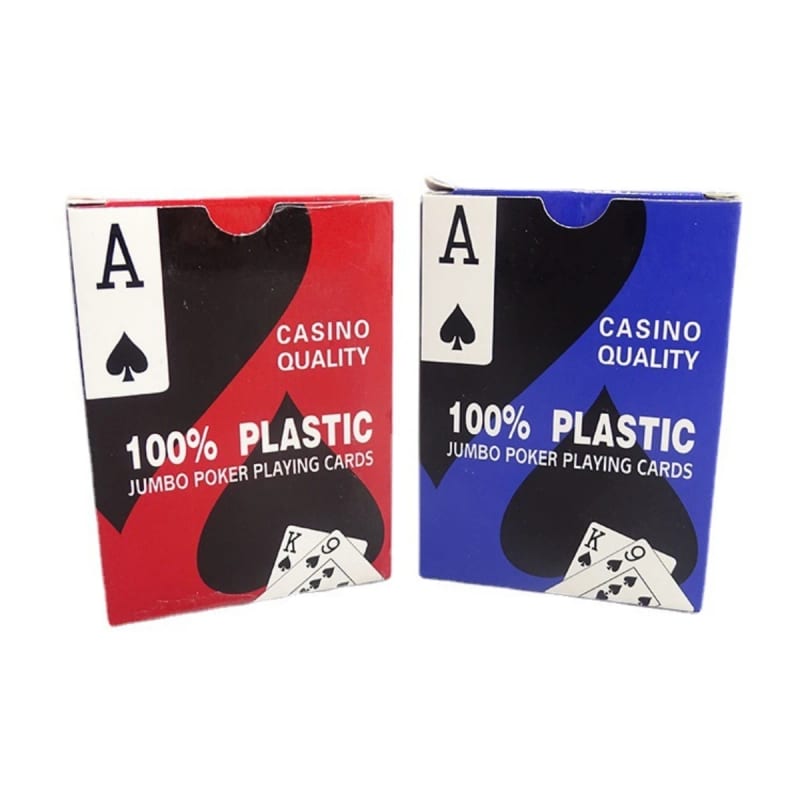
Jumbo Index Poker Deck