Poker Etiquette: The Unwritten Rules of the Table
Nov 7, 2026 · The Editors
Poker etiquette for home games and casinos: acting in turn, showing cards, slow rolling, string bets, splashing the pot, talking about hands, tipping the dealer, and the habits that make you welcome at any table.

Poker has rules, and then it has etiquette — the habits that keep a game pleasant and fair. Break the rules and you lose a hand. Break the etiquette and you lose your invitation.
Act in turn
Wait until the action reaches you before you fold, bet or even reach for chips. Acting early gives information to players who have not acted yet, and it is the most common beginner's mistake.
Make your bets clear
- Say it, then do it. "Raise to 300" — then put the chips out.
- No string bets. Putting some chips out, then going back for more, is a string bet and in most games counts only as a call. Announce a raise or put it all out in one motion.
- Don't splash the pot. Place your chips in front of you, not into the middle. The dealer needs to see what you bet.
Protect your cards
Keep your cards on the table, in front of you, with a hand, a chip or a card protector on top. A dealer can muck an unprotected hand by accident, and once it touches the discards, it is dead. More on card protectors.
Showing cards
- Show one, show all. If you show your hand to one player, everyone at the table is entitled to see it.
- At the showdown, show promptly. If you have the winning hand, turn it over.
- Don't slow roll. Waiting, knowing you have won, while your opponent shows first — then revealing the winner slowly — is the worst breach of poker manners there is.
- You can muck a losing hand without showing, though anyone who paid to see it may ask in a casino.
Talking
- Don't discuss a hand in progress, even if you have folded. "I folded a 7, so there go your straights" changes the hand for the players still in it.
- No advice to other players during a hand.
- No needling after a bad beat. Everyone gets them.
Pace
- Pay attention so you are ready when it is your turn.
- Take your time on a big decision, but not on every decision.
- Phones away while you are in a hand.
Money and chips
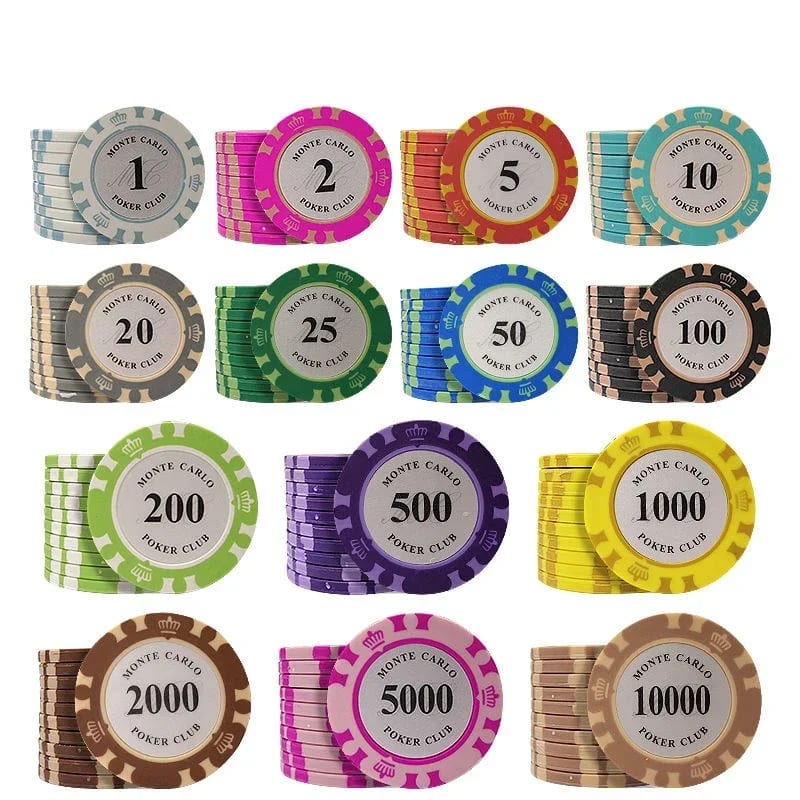
- Keep your chips visible and stacked, high-value chips in front, so others can see roughly what you have.
- Don't hide chips or take them off the table during a cash game.
- In a casino, tip the dealer when you win a decent pot — a small chip is customary.
Winning and losing
Win quietly. Lose politely. Never blame the dealer, the deck or the player who called with a bad hand and hit — that player is the reason poker is profitable. And at a home game, help clear the table at the end of the night.