How to Clean a Speed Cube, With or Without Taking It Apart
Nov 24, 2026 · The Editors
How to clean a speed cube: a quick wipe without taking it apart, a deep clean of the pieces, what to avoid with stickers and magnets, and how to re-lube it afterwards.

To clean a speed cube, wipe the outside with a slightly damp cloth and brush the dust out of the gaps for everyday dirt. For a deep clean, take the cube apart, wash the plastic pieces in lukewarm soapy water, dry them completely, then reassemble and re-lube. Keep water away from the core, the springs and any magnets.
Quick clean: without taking it apart
Most cubes only need this:
- Brush out the gaps. A soft, dry toothbrush or a small paintbrush lifts dust and hair from the edges of each face.
- Turn and brush. Turn each face 45 degrees to open the gaps, and brush again.
- Wipe the faces. Use a microfibre cloth, very slightly damp with water and a drop of mild soap.
- Dry at once with a clean cloth.
- Leave it to air for an hour before solving.
A short blast of air from a can of compressed air also clears dust, held a little away from the cube.
Deep clean: taking the cube apart
When a cube feels gritty, sticky or slow even after re-lubing, it is time for a deep clean.
- Turn the top face 45 degrees. Gently lever out one edge piece with a fingernail or a plastic pick. The other pieces then come out by hand.
- Keep the core and centres together. Do not wash the core or springs; wipe them with a dry cloth.
- Wash the corners and edges in a bowl of lukewarm water with a little washing-up liquid. Hot water can warp the plastic.
- Rinse and dry thoroughly. Lay the pieces on a towel and leave them until completely dry, ideally several hours.
- Reassemble in the solved state. Put each piece back so the colours match. A piece put back wrong can leave the cube impossible to solve.
- Re-lube. Washing removes the lubricant. See how to lube a speed cube.
- Retension if needed. See speed cube tension.
What to avoid
| Avoid | Why |
|---|---|
| Soaking a stickered cube | Water lifts stickers |
| Soaking a magnetic cube | Magnets and metal parts can rust or come loose |
| Hot water, dishwashers | Plastic can warp |
| Alcohol or solvents | Can cloud or crack some plastics |
| Household oils (cooking, WD-40) | Gum up the mechanism and can damage plastic |
For a magnetic cube, keep to the quick clean, or wash only the pieces that hold no magnets, and dry them completely. See magnetic vs non-magnetic speed cubes.
How often should you clean a cube?
There is no fixed schedule. A cube that is solved daily might get a quick brush every week or two and a deep clean only when it starts to feel rough. Wash your hands before solving; it keeps cubes clean far longer than any cleaning routine.
Cleaning a stickerless cube
Stickerless cubes use coloured plastic, so they can be washed more freely. They still need drying fully before reassembly, and the same rule about hot water applies.
The cube worth keeping clean
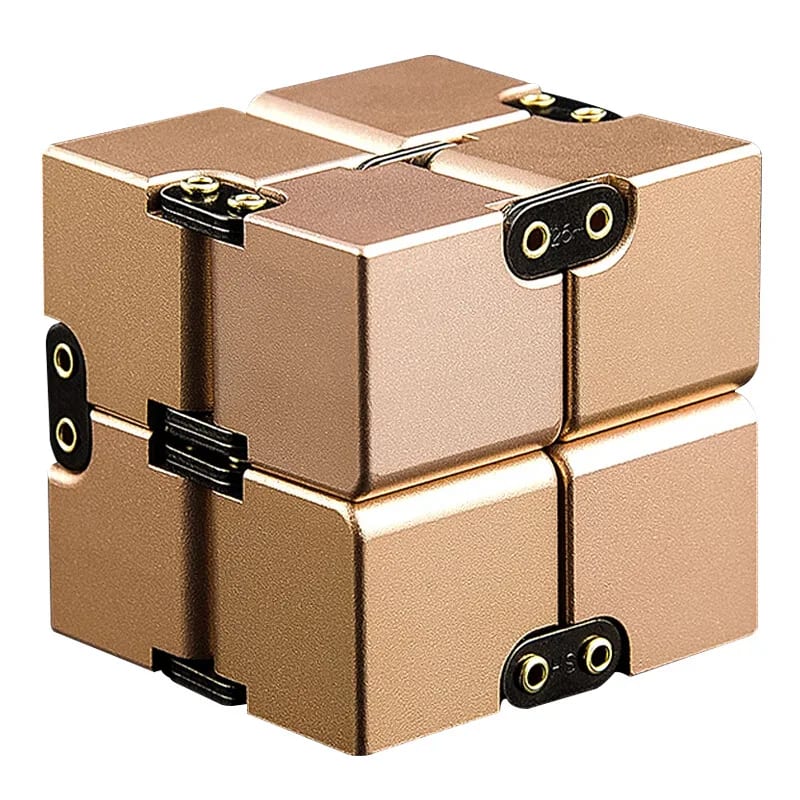
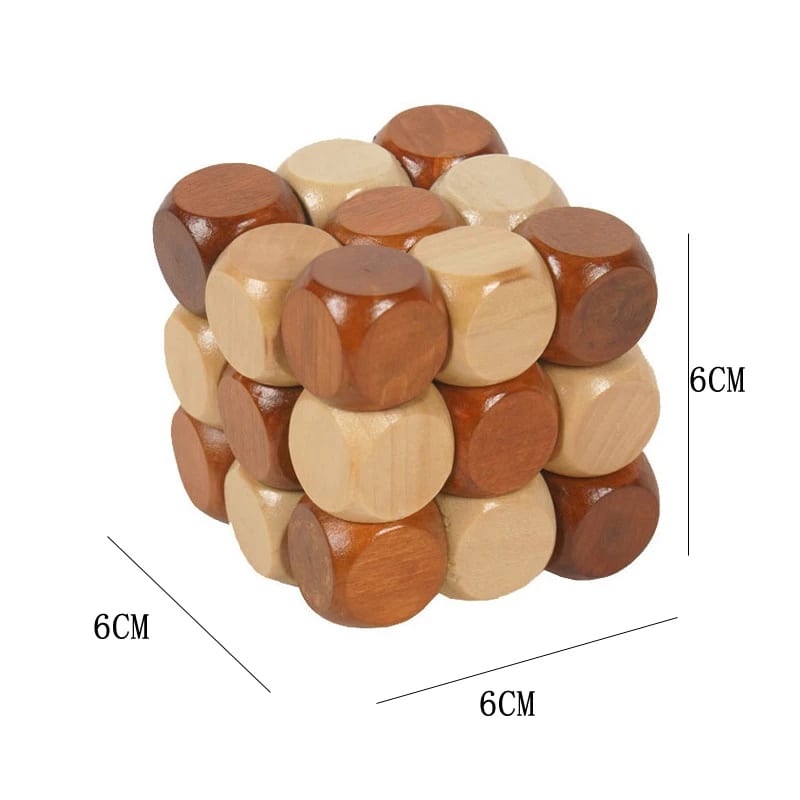
Our magnetic speed cube is a 3×3 with magnets that help it settle into place on every turn. For a desk-sized fidget that needs no lubricant at all, the aluminium infinity cube folds endlessly in the hand, and a wooden burr cube needs nothing but a dry cloth. To learn the solve, see how to solve a 3x3 cube.
Frequently asked questions
Can you wash a speed cube in water?
You can wash the plastic corner and edge pieces in lukewarm soapy water, but keep water away from the core, the springs, stickers and magnets, and dry everything fully.
How do you clean a cube without taking it apart?
Brush the gaps with a soft dry brush, turning each face to open them, then wipe the faces with a barely damp cloth and dry at once.
Do you need to re-lube a cube after cleaning?
Yes, after a deep clean. Washing removes the lubricant, so add fresh lube before you solve again.
Can you put a speed cube in the dishwasher?
No. The heat can warp the plastic, and the water can damage stickers, springs and magnets.