Okito
1875–1963 · Netherlands

The stage name of Theo Bamberg, from a long Dutch family of magicians, who performed in an elegant Asian-styled act. Several classic props carry his name, including the Okito coin box.
From the shop
Okito was the stage name of Theo Bamberg (1875–1963), a Dutch magician from one of the longest family lines in the history of magic. He performed a silent, elegant act in Asian-styled costume and gave his name to the Okito box, a small coin prop magicians still use.
The Bamberg dynasty
Tobias Leendert Bamberg was born in the Netherlands in 1875 to David Tobias Bamberg, a magician who held the post of court conjuror to King William III. Theo, as he was later known, was the sixth generation of a Dutch Jewish family of magicians stretching back to the eighteenth century. His son David Bamberg continued the line, touring Latin America as Fu Manchu.
As a boy he nearly drowned in an accident on the ice, and the injury left him almost completely deaf. He built his act accordingly: Okito performed in pantomime, without speaking.
The making of Okito
In 1893, aged about eighteen, he created a Japanese-styled act in Berlin and took the name Okito, an anagram of Tokio, the old Western spelling of Tokyo. Later he moved to a Chinese-styled presentation. Silk robes, lacquered props and slow, graceful movement made the act look like nothing else on the variety bill.
From 1908 he worked in America with Howard Thurston, who billed him as Europe's greatest shadowist for his hand-shadow pictures. Around 1909 he helped open a magic business in New York, and it was about then that he designed the small brass coin box that bears his name.
What audiences saw
On stage audiences saw a figure in rich costume producing silks, bowls and objects from nowhere, making things float and vanish, all in silence and to music. It belonged to the same fashion for Orientalist stagecraft as Chung Ling Soo, a style that looks dated today but was enormously popular then. How any of it was done is the magician's secret.
Later life and legacy
Okito returned to the Netherlands after a tour in 1932. The German invasion in 1940 cost him much of what he owned. He later lived in North America and spent his last years in Chicago, and he died in 1963. With the writer Robert Parrish he published Okito on Magic (1952), a book of his methods and memories for magicians.
His name lives on most in his props. The Okito box is made in brass by many makers and is one of the standard pieces of coin magic; see coin magic for beginners and silk magic. For his era, see the history of magic.
Frequently asked questions
What does Okito mean?
It is an anagram of Tokio, an old spelling of Tokyo, chosen by Theo Bamberg for the Japanese-styled act he created in 1893.
What is an Okito box?
A small round box, usually brass, used in coin magic. It is named after Okito, who designed it around 1909.
Who was Okito's son?
David Bamberg, who performed as Fu Manchu and became one of the best-known magicians in Latin America.
Coming soon
Want to learn magic properly?
We're preparing lessons that teach classic tricks step by step, for members. Leave your email and we'll write once, when they open. Nothing else.
See also
From the shop
Props for this kind of magic
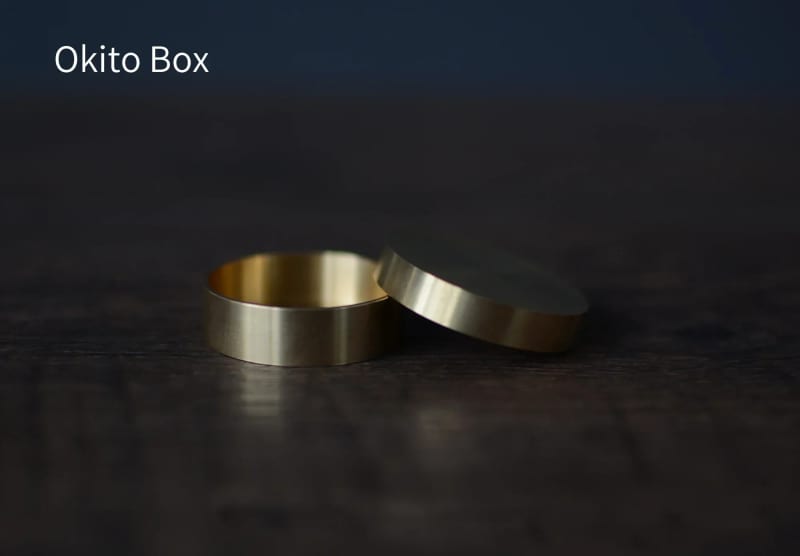
Brass Okito Coin Box — Half Dollar Size
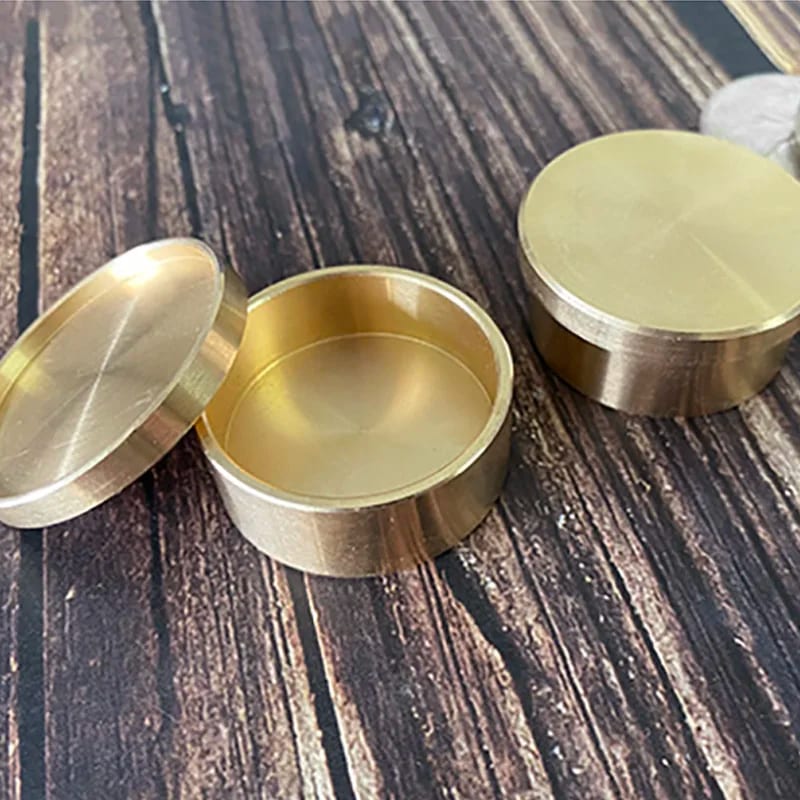
Brass Okito and Boston Box Set — Half Dollar Size
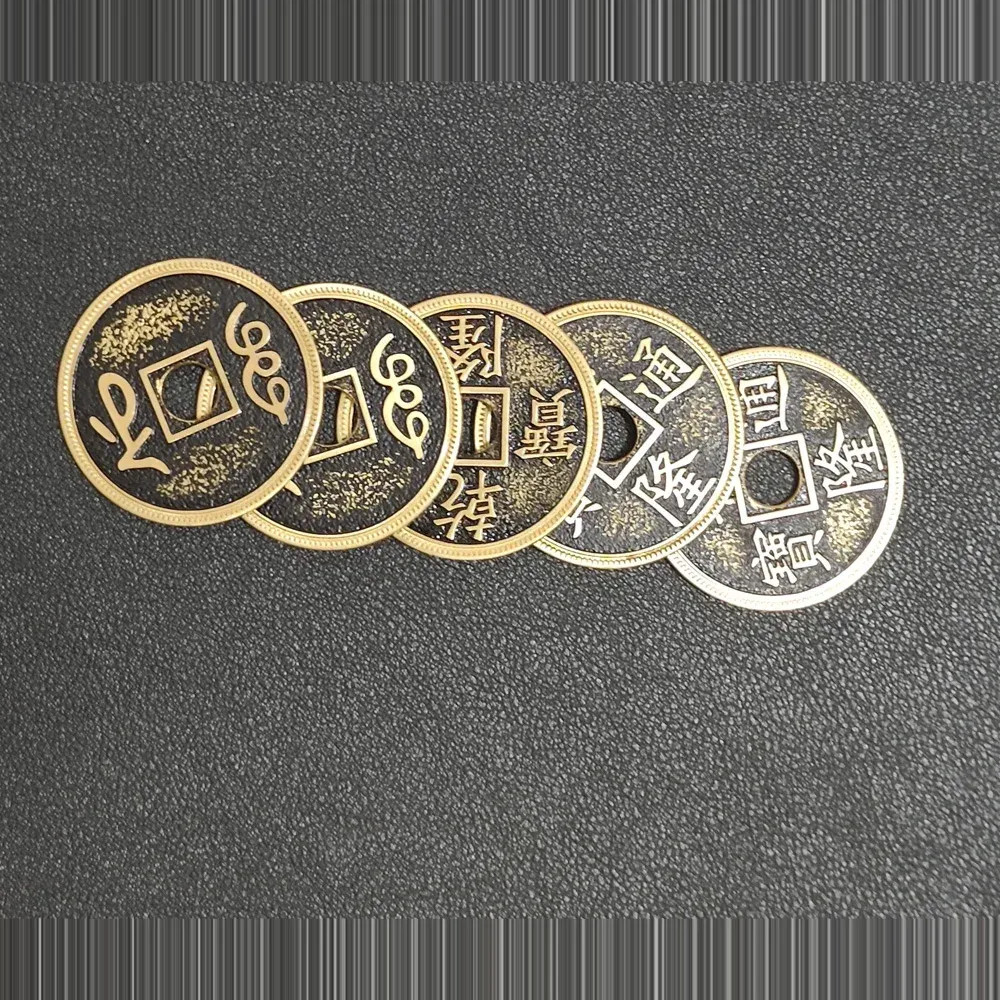
Chinese Palace Coin Set — Four Coins and a Shell

Magic Silk — 30cm Square