Theodore Hardeen
1876–1945 · Hungary / United States

Escape artist and illusionist, born Ferencz Dezső Weisz, the younger brother of Harry Houdini. Billed as 'Hardeen, the Handcuff King', he toured Britain, Europe and America with his own escape act, and after Houdini's death in 1926 he carried on many of his brother's famous feats.
From the shop
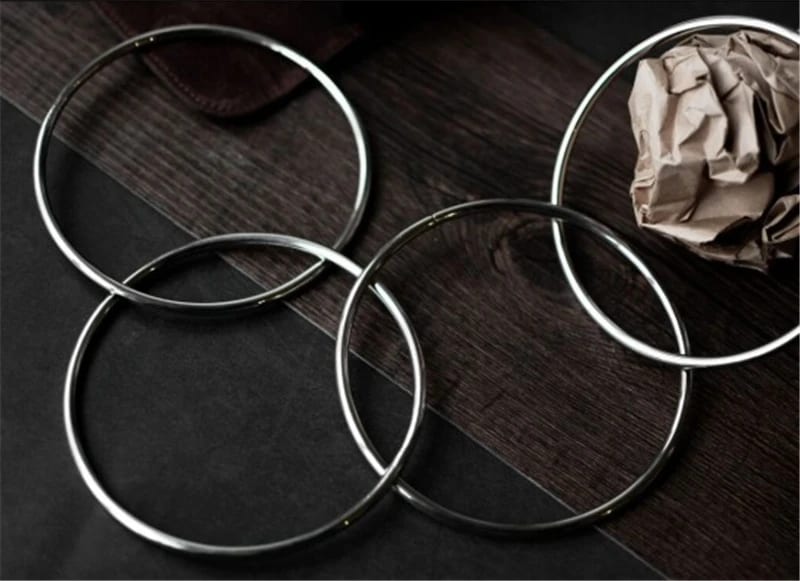

Theodore Hardeen (1876–1945) was an escape artist and the younger brother of Harry Houdini. Working as "Hardeen, the Handcuff King", he built a successful escape act of his own in Britain, Europe and America, and after Houdini died in 1926 he became the keeper of his brother's props, papers and reputation.
Life
He was born Ferencz Dezső Weisz in Budapest on 4 March 1876, and grew up in the United States after the family emigrated. As teenagers he and his older brother Ehrich (the future Houdini) performed together, and for a time they billed themselves as the Brothers Houdini. According to most accounts it was Theo who first courted Bess Rahner, the young performer who instead married Harry in 1894 and became Bess Houdini.
In the early 1900s, as Houdini's handcuff act made him famous in Europe, Theo went abroad with an escape act of his own under the name Hardeen. The brothers were billed as rivals, and the rivalry sold tickets, but they stayed close for life. Hardeen worked steadily in variety theatres and vaudeville for decades. From 1938 to about 1941 he appeared on Broadway in Olsen and Johnson's long-running revue Hellzapoppin. He died in New York on 12 June 1945, aged 69.
What audiences saw
Hardeen's act followed the pattern of the handcuff challenge: local police officers and members of the public brought their own cuffs, leg irons and restraints, locked him in, and watched him come free. Posters called him "the king of handcuff kings and jail breakers".
He is often credited with the idea of doing the straitjacket escape in full view of the audience, rather than hidden behind a curtain, so that people could watch the whole struggle. Accounts disagree about where this first happened, and Houdini made the full-view straitjacket one of his own signature feats; the suspended straitjacket escape took it out into the street.
After 1926 Hardeen performed versions of his brother's best-known pieces, including Metamorphosis, and spoke widely about Houdini's life.
Legacy
Hardeen inherited much of Houdini's apparatus under the terms of his brother's will, and for years he was the living link to the most famous name in escapology. Later biographers drew on his recollections of the brothers' early years. He is a reminder that Houdini's act was a family business, and that the Handcuff King billing was shared by more than one Weisz brother.
Frequently asked questions
Who was Hardeen?
Theodore Hardeen was Harry Houdini's younger brother, an escape artist who toured as "Hardeen, the Handcuff King" from the early 1900s until the 1940s.
Was Hardeen as good as Houdini?
He was a successful headliner in his own right, but he never matched his brother's fame. Contemporary posters billed them as rivals, which helped both acts.
What happened to Houdini's props?
Many passed to Hardeen under Houdini's will. After Hardeen's death in 1945 much of the collection went to private collectors.
When did Hardeen die?
He died in New York City on 12 June 1945, aged 69.
Coming soon
Want to learn magic properly?
We're preparing lessons that teach classic tricks step by step, for members. Leave your email and we'll write once, when they open. Nothing else.