The Handcuff Challenge
1890s

The escape act that made Harry Houdini famous: a performer invited police and the public to lock him in their own handcuffs and leg irons, and freed himself while the crowd waited. From about 1899 it filled theatres across America and Europe and spawned dozens of rival 'Handcuff Kings'.
From the shop
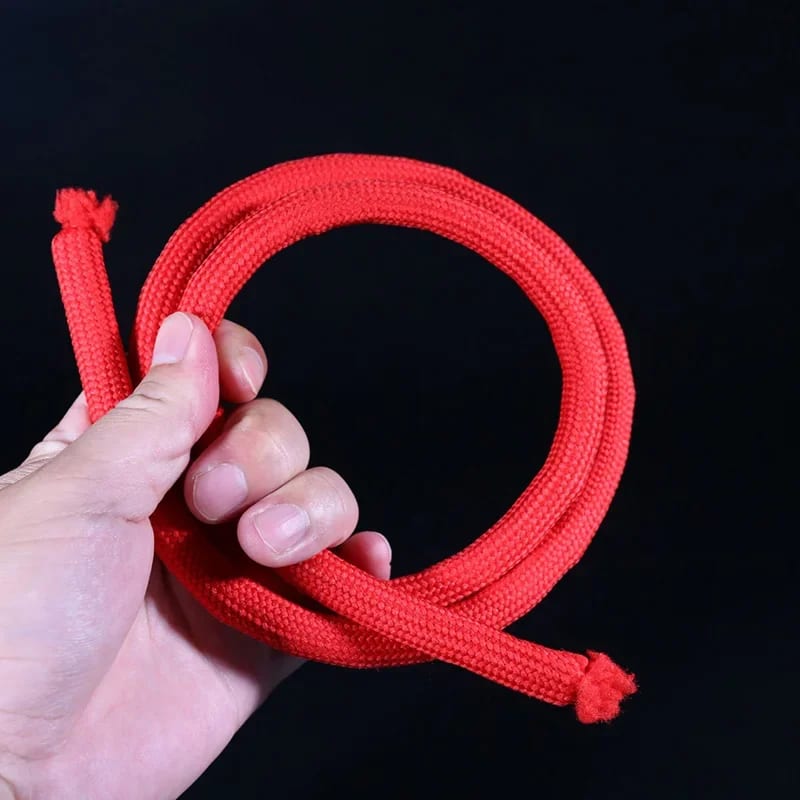

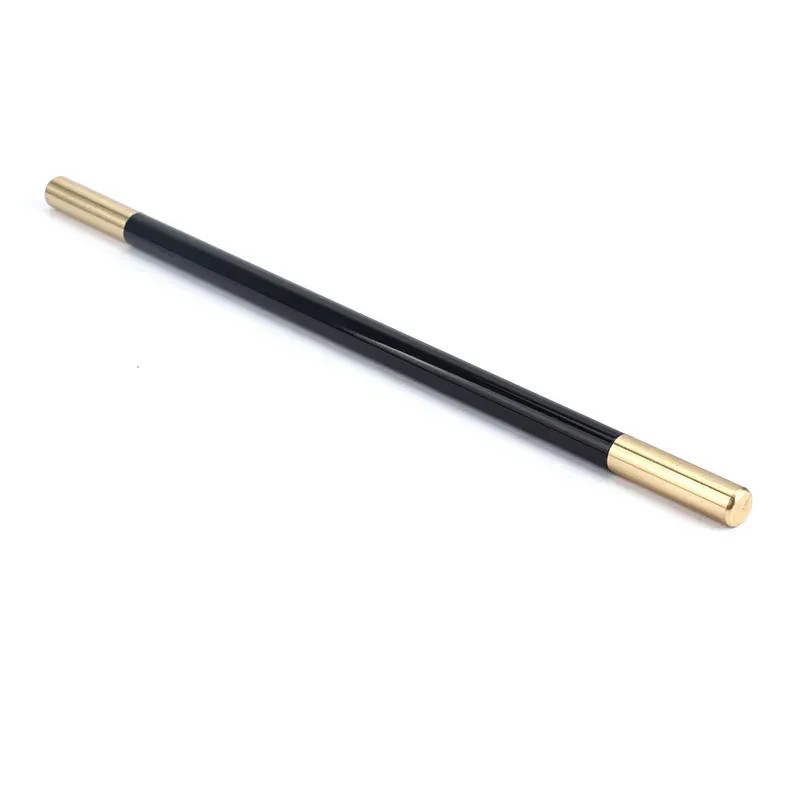
The handcuff challenge was an escape act in which a performer let police officers and members of the public lock him in their own handcuffs, leg irons and restraints, then freed himself in front of the audience. Harry Houdini built his fame on it from 1899, and for the next decade theatres everywhere advertised a "Handcuff King".
Who first presented it
Escapes from ropes and restraints are much older than Houdini; spirit mediums such as the Davenport brothers were tied up in their cabinets in the 1860s, and other performers did handcuff escapes before him. What Houdini added was the challenge: the cuffs belonged to the audience, the police were invited on stage, and the newspapers were told in advance.
In 1899 the vaudeville manager Martin Beck saw Houdini in St. Paul, Minnesota, and advised him to concentrate on escapes. Beck booked him on a major circuit and then sent him to Europe in 1900, where the act became a sensation. Houdini told a famous story about a challenge at Scotland Yard in London; historians now doubt that it happened as he described it.
What the audience saw
A typical challenge began with an announcement inviting anyone to bring restraints. Officers and locksmiths came up, examined the performer and locked him in, sometimes with several pairs of cuffs at once. Then the band played while the audience waited. Minutes later, or sometimes much longer, he reappeared free, holding up the locked cuffs. The tension of the wait was part of the show.
Outside the theatre, the same idea became publicity: performers were locked into police cells, jails and prison vans, and the next day's papers reported the escape.
Famous performances
- In 1904 a London newspaper challenged Houdini with a specially made pair of cuffs, and his long escape at the London Hippodrome became one of the most famous nights of his career; see the Mirror handcuff challenge.
- His brother Hardeen toured Britain and Europe as a rival Handcuff King, and the two were billed against each other.
- Dozens of imitators appeared in variety theatres across Europe and America. Houdini publicly challenged some of them to prove they were genuine.
Why it endures
By around 1908 audiences had seen too many handcuff acts, and Houdini moved on to bigger escapes such as the Milk Can and the Water Torture Cell. But the challenge format, in which the audience supplies the restraint and the performer bets his reputation on getting out, is still at the heart of escapology.
Frequently asked questions
Why was Houdini called the Handcuff King?
Because his early fame came from the handcuff challenge: he invited police and the public to lock him in their own cuffs, and escaped every time on stage.
Who was the first Handcuff King?
Several performers did handcuff escapes before Houdini, but he made the title famous from 1899 onward. His brother Hardeen and many rivals used it too.
How did Houdini escape from handcuffs?
That is the escape artist's secret, and the methods are not described here. What is documented is how the act was staged and how audiences reacted.
Coming soon
Want to learn magic properly?
We're preparing lessons that teach classic tricks step by step, for members. Leave your email and we'll write once, when they open. Nothing else.
See also
From the shop