The Miser's Dream
1890s

A classic coin routine in which the magician plucks coin after coin from the empty air and drops each one, clinking, into a hat or bucket. Older versions were called the Aerial Treasury; T. Nelson Downs made it famous around 1895.
From the shop
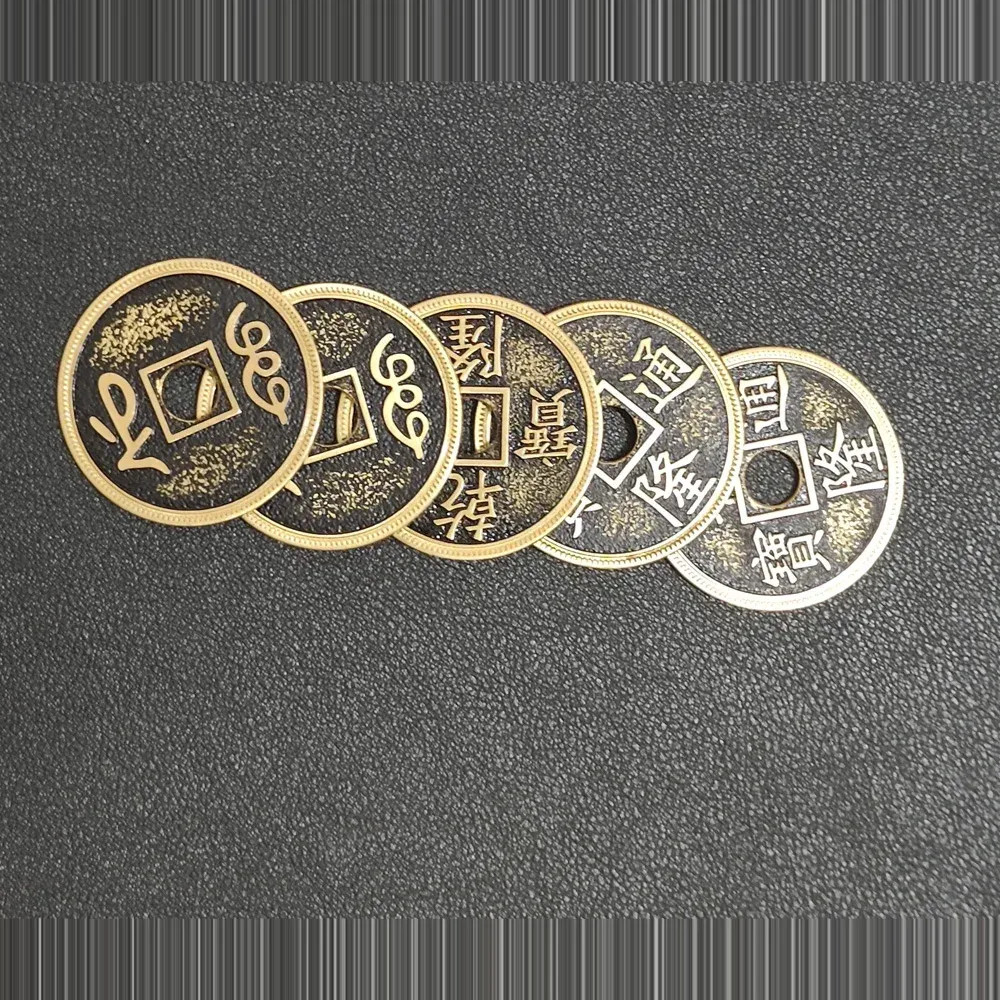
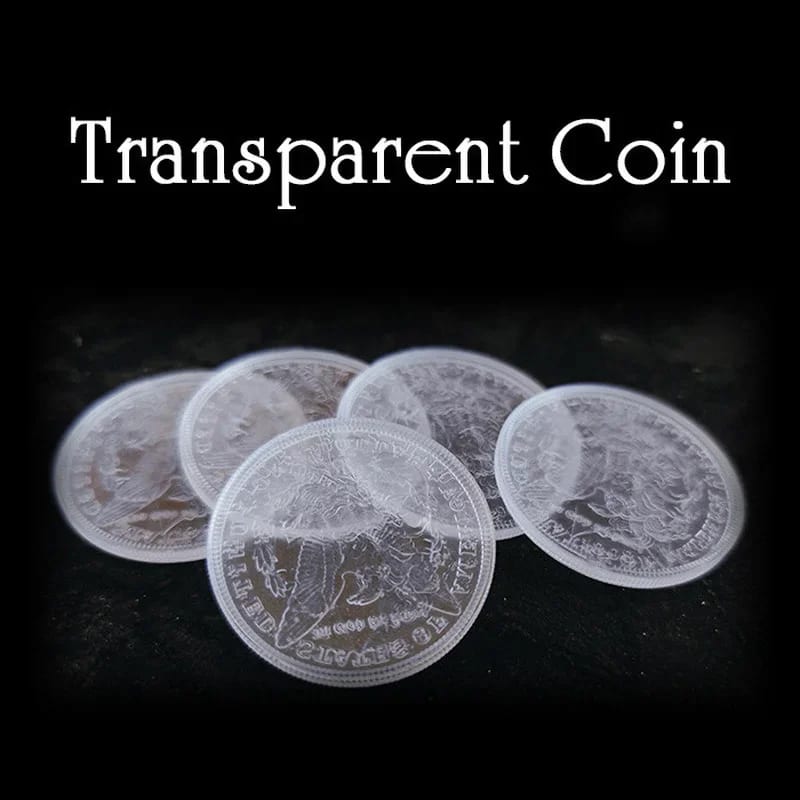


The Miser's Dream is a coin routine in which a magician reaches into the empty air, catches a coin, drops it with a satisfying clink into a hat or bucket, and then does it again and again until the container seems full of money. It was popularised by T. Nelson Downs in the 1890s and is still one of the most popular routines in magic.
Who first presented it
Producing coins from the air is much older than its famous name. Nineteenth-century conjurors presented versions under titles such as "the Aerial Treasury" and "the Shower of Money", and historians treat the plot as part of the common stock of the period rather than the invention of one person.
The name "the Miser's Dream" belongs to the American performer T. Nelson Downs, "the King of Koins", who made the routine his signature from around 1895. Downs claimed it as his own creation; most historians say instead that he took an old idea and turned it into a showpiece. He toured with it in America and Europe, and his books on coin magic around 1900 made coin work a speciality in its own right.
What the audience sees
The magician shows an empty hat or bucket and an empty hand. A coin appears at the fingertips and is dropped in, ringing as it lands. More follow: from the air, from behind a spectator's ear, from a beard, a pocket or a borrowed hat, from anywhere that gets a laugh. Some performers end by pouring a great stream of coins out of the container to show they were real.
How it is done is the magician's secret. What makes it work for an audience is rhythm and sound: every clink lands like a punchline.
Famous performances
After Downs, the routine passed through many hands. Al Flosso, the "Coney Island Fakir", made it his trademark in New York and performed it on television. In more recent decades Jeff McBride has performed his own version, and Penn & Teller staged a version built around a large tank of water. The coins across and the coin vanish come from the same family of coin magic.
Why it endures
The Miser's Dream needs no explanation and no language: money appearing from nowhere is a fantasy everyone understands. It can be played close up for a few people or on a large stage, it invites the audience in, and its structure can stretch to fit the time available. For anyone starting out, coin magic for beginners explains where coin magic begins.
Frequently asked questions
Who invented the Miser's Dream?
Coin productions under names like "the Aerial Treasury" were performed in the nineteenth century. T. Nelson Downs made the routine famous as "the Miser's Dream" around 1895.
Why is it called the Miser's Dream?
Because the magician seems to find money everywhere, the dream of a miser who cannot have enough coins.
How is the Miser's Dream done?
That is the magician's secret. The history, and the many performers who have made it their own, are told above.
Who performs the Miser's Dream today?
Many magicians do, including Jeff McBride and Penn & Teller, each with their own version.
Coming soon
Want to learn magic properly?
We're preparing lessons that teach classic tricks step by step, for members. Leave your email and we'll write once, when they open. Nothing else.