The Dancing Handkerchief
1880s
A classic piece of stage magic in which a borrowed handkerchief comes to life, climbs out of a small cabinet or bottle and dances around the stage. Harry Blackstone Sr. made it famous in the twentieth century.
From the shop
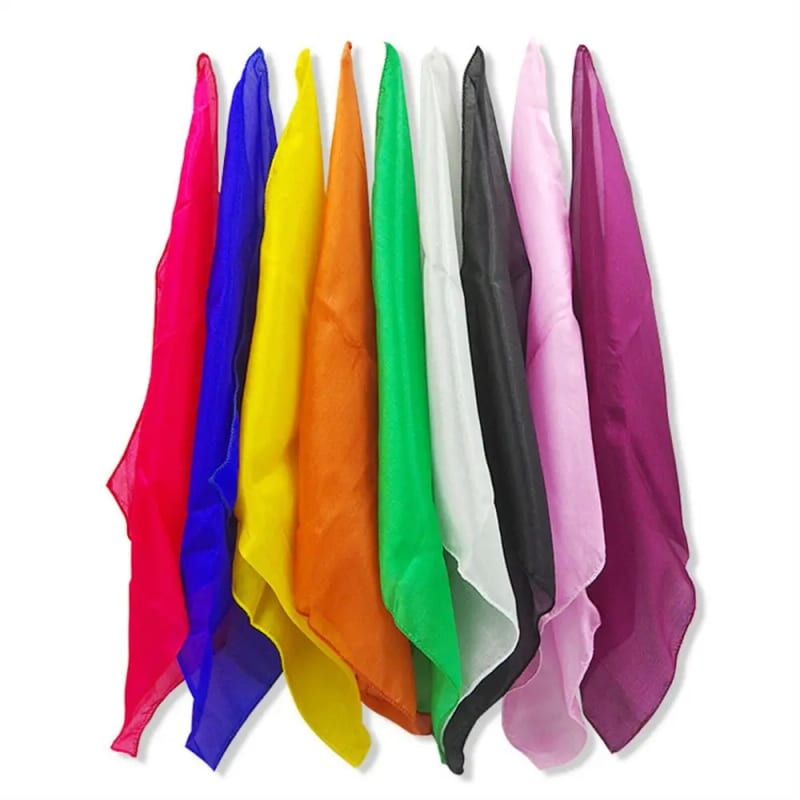
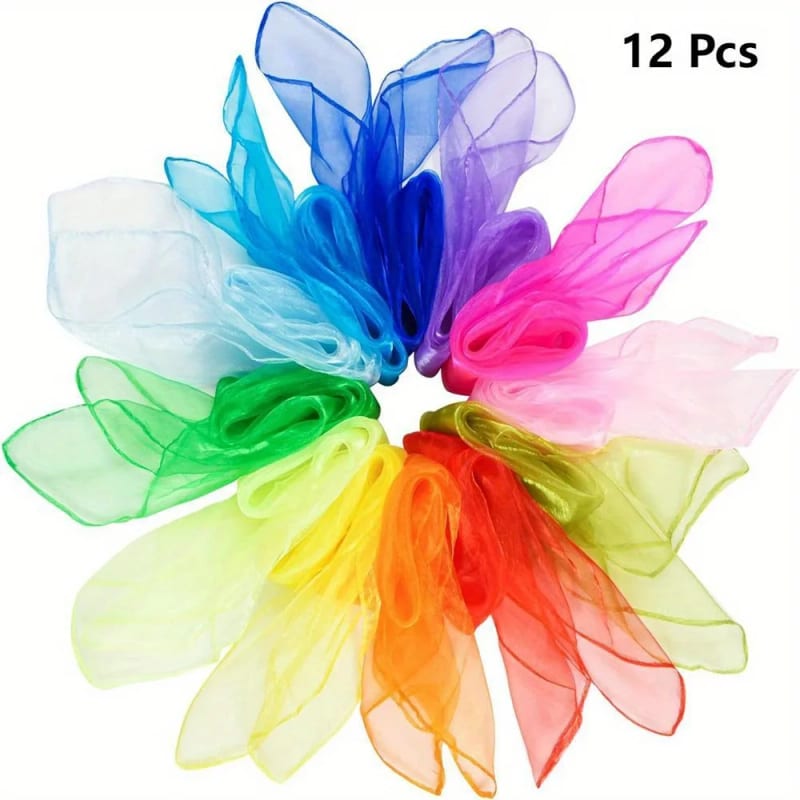
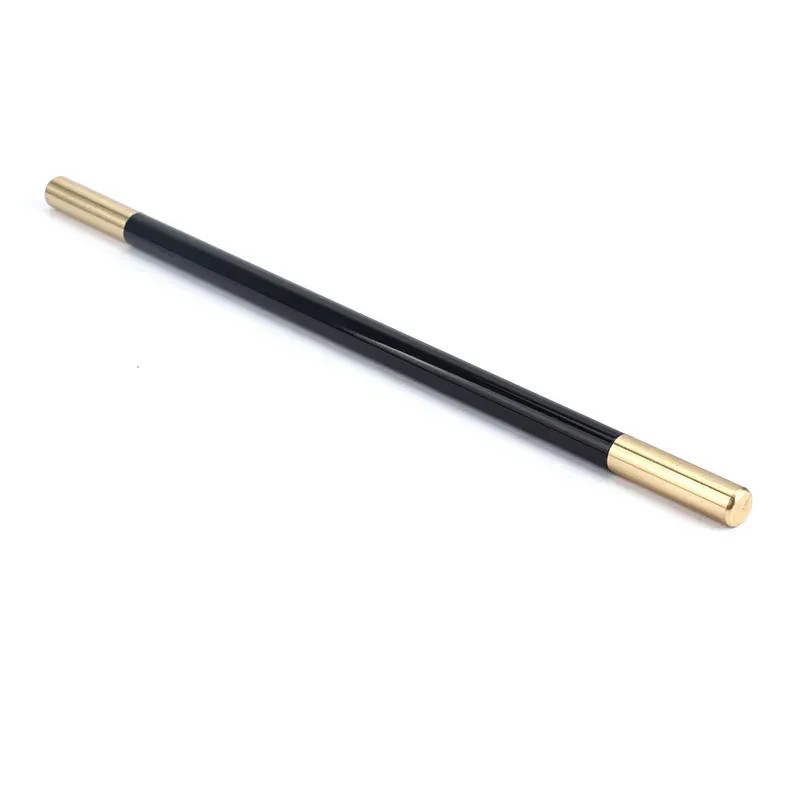
The Dancing Handkerchief is a classic of stage magic in which an ordinary handkerchief, often borrowed from someone in the audience and knotted at one corner, seems to come alive: it creeps out of a small cabinet or bottle, dances across the stage, teases the magician and finally returns to its owner. Harry Blackstone Sr. made it one of the best-loved pieces in American magic.
Who first presented it
Its history is older than Blackstone. Accounts of the effect go back to the late 1880s in London, where a handkerchief that moved by itself was linked with the spirit-cabinet shows of the Maskelyne family, and versions were being performed in America by the early 1890s. Harry Kellar is also said to have presented a dancing handkerchief in his show. As with many classics, historians disagree about exactly who did it first.
What the audience sees
In the version made famous by Blackstone, a handkerchief is borrowed and a knot is tied in one corner to make a little head. It is dropped into a small glass-fronted cabinet on a stand. After a pause, the knot peeks over the edge, the handkerchief wriggles out, slides to the floor and begins to dance: hopping, bowing, darting away when the magician reaches for it, and climbing up his leg. In the end it is caught and handed back to its owner.
The piece is short, silent apart from music, and works on charm rather than astonishment; audiences laugh as much as they gasp.
Famous performances
Blackstone Sr. performed it for decades in his touring show, and his son, Harry Blackstone Jr., carried it on. In 1985 the younger Blackstone gave the Smithsonian Institution the cabinet his father had used, together with the floating light bulb. Later stars, among them Doug Henning and David Copperfield, presented their own versions on stage and television.
Why it endures
The Dancing Handkerchief turns a simple piece of cloth into a character, which is why it still appears in stage shows today. It belongs to the family of silk magic, where scarves appear, vanish, change colour and, here, come to life. Like the floating ball known as the Zombie, it gives an object a personality of its own.
The method, as always, belongs to the magician.
Frequently asked questions
Who made the dancing handkerchief famous?
Harry Blackstone Sr., who performed it for many years in his touring show; his son Harry Blackstone Jr. continued it.
Who invented the dancing handkerchief trick?
No one is certain. Versions were performed in London in the late 1880s and in America by the early 1890s, long before Blackstone.
Where is Blackstone's dancing handkerchief cabinet?
In 1985 Harry Blackstone Jr. gave his father's cabinet to the Smithsonian Institution, along with the floating light bulb.
Is the dancing handkerchief still performed?
Yes. Many stage magicians still present versions of it.
Coming soon
Want to learn magic properly?
We're preparing lessons that teach classic tricks step by step, for members. Leave your email and we'll write once, when they open. Nothing else.
See also
From the shop