The Floating Light Bulb
20th century
Harry Blackstone Sr.'s signature illusion, in which a glowing electric bulb leaves its lamp and floats out over the audience. His son Harry Blackstone Jr. continued it and gave the original bulb to the Smithsonian Institution in 1985.
From the shop
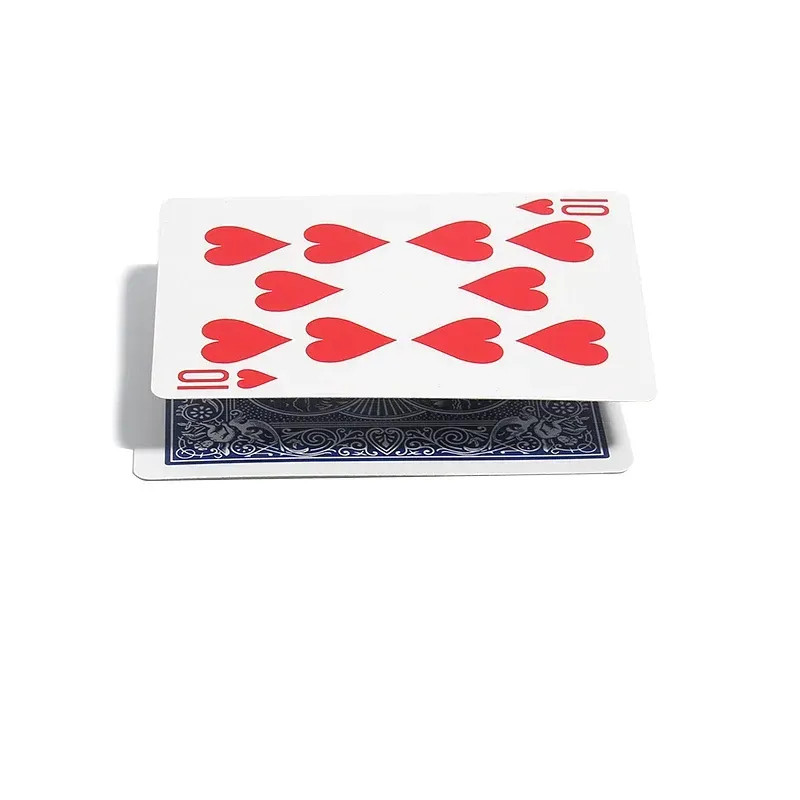

The floating light bulb is the signature illusion of Harry Blackstone Sr., the Great Blackstone. An ordinary electric bulb, glowing in its lamp, rises into the air, drifts out over the heads of the audience and returns to the stage, still shining. His son Harry Blackstone Jr. continued to perform it, and in 1985 gave the original bulb to the Smithsonian Institution.
Who first presented it
The illusion is linked above all to Blackstone Sr., who presented it during his years as one of America's leading touring magicians in the middle of the twentieth century. Family tradition, repeated in many accounts, holds that the original bulb was made by Thomas Edison or in his workshop. That story is often told and hard to confirm, but it has become part of the illusion's legend. The exact year Blackstone first performed it is not well documented.
What the audience sees
The stage lights dim. On a table stands a lamp with an ordinary bulb, which the magician lights. He lifts the bulb out of its socket and it keeps glowing, alone, in the air. Then it floats away from him, out across the footlights and over the front rows of the audience, sometimes passing within reach of people in their seats, before it drifts back to the stage and settles into his hand. Accompanied by soft music, the whole piece is quiet and slow, a moment of wonder rather than shock. It belongs to the long family of levitation effects.
Famous performances
Blackstone Sr. made it one of the best-remembered moments of his full evening show, and his son made it a centrepiece of his own show in the 1970s and 1980s, including on Broadway in Blackstone! in 1980. In 1985, the hundredth anniversary of his father's birth, Blackstone Jr. gave the original bulb to the Smithsonian Institution, together with his father's Casadega cabinet. The gift is usually described as the first piece of magic apparatus the Smithsonian accepted. Since his death in 1997 other illusionists have presented the floating light bulb under licence from the Blackstone family.
Why it endures
The floating light bulb is built around something everyone has at home, a lamp and a bulb, and that is its power. A thing that should sit still in a socket wanders through the air and comes close enough to touch, and the audience feels the mystery travel out to them. How it is done is the magician's secret. A smaller cousin of the illusion, an object that rises from the hand, can be seen on our floating card effect page.
Frequently asked questions
Who did the floating light bulb trick?
It is the signature illusion of Harry Blackstone Sr. (1885–1965), and his son Harry Blackstone Jr. performed it after him.
Did Thomas Edison make Blackstone's light bulb?
That is the family tradition and is widely repeated, but it is hard to confirm. The bulb itself is now in the Smithsonian.
Where is the original floating light bulb now?
Harry Blackstone Jr. gave it to the Smithsonian Institution in Washington in 1985.
Coming soon
Want to learn magic properly?
We're preparing lessons that teach classic tricks step by step, for members. Leave your email and we'll write once, when they open. Nothing else.
See also
From the shop