How to Choose D&D Dice: Metal, Resin or Acrylic
Nov 7, 2026 · The Editors
How to choose dice for D&D and other tabletop RPGs: what a set contains, metal versus resin versus acrylic, readability, weight and size, matching dice to a character, fairness, and looking after them.
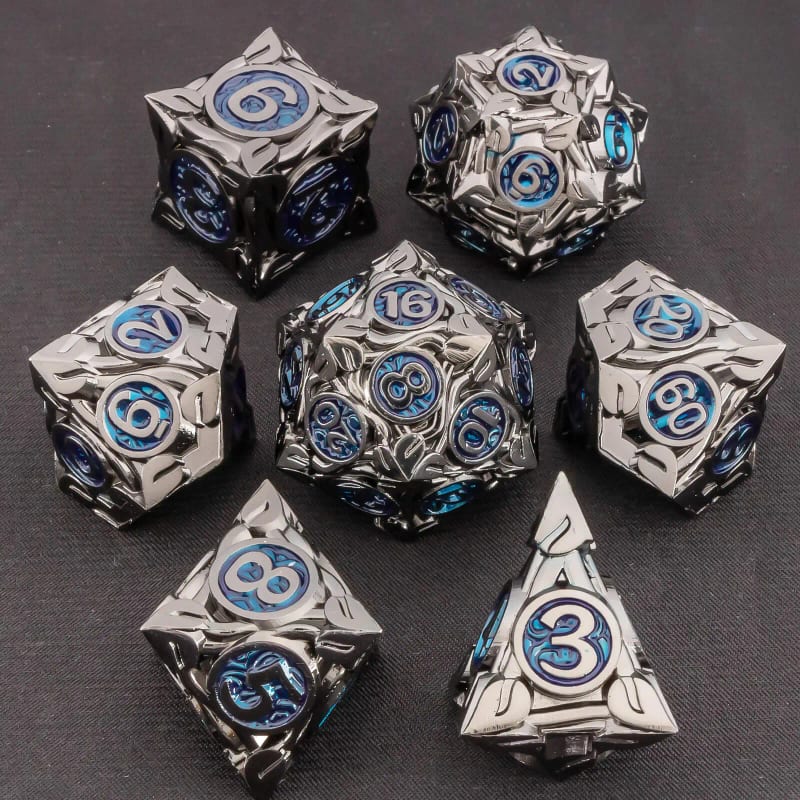
Every roleplayer ends up with more dice than they need. Choosing a set is part of the fun — and part of building a character. Here is what to look for.
What a set contains
A standard set is seven dice: d4, d6, d8, d10, percentile d10, d12 and d20. That covers every roll in Dungeons & Dragons and most similar games. What each die is for.
Some sets add extra d6s for big damage rolls, or a second d20 for rolling with advantage.
Metal, resin or acrylic?
| Acrylic | Resin | Metal | |
|---|---|---|---|
| Weight | Light | Medium | Heavy |
| Look | Solid colours, swirls | Inclusions — glitter, flowers, colour clouds | Polished, plated, sculpted or enamelled |
| Durability | Tough | Can chip | Very tough — but can damage tables and other dice |
| Feel | Rattly | Smooth | A satisfying thud |
| Best for | A first set, lots of extra d6s | Collectors, display | A centrepiece set, a gift |
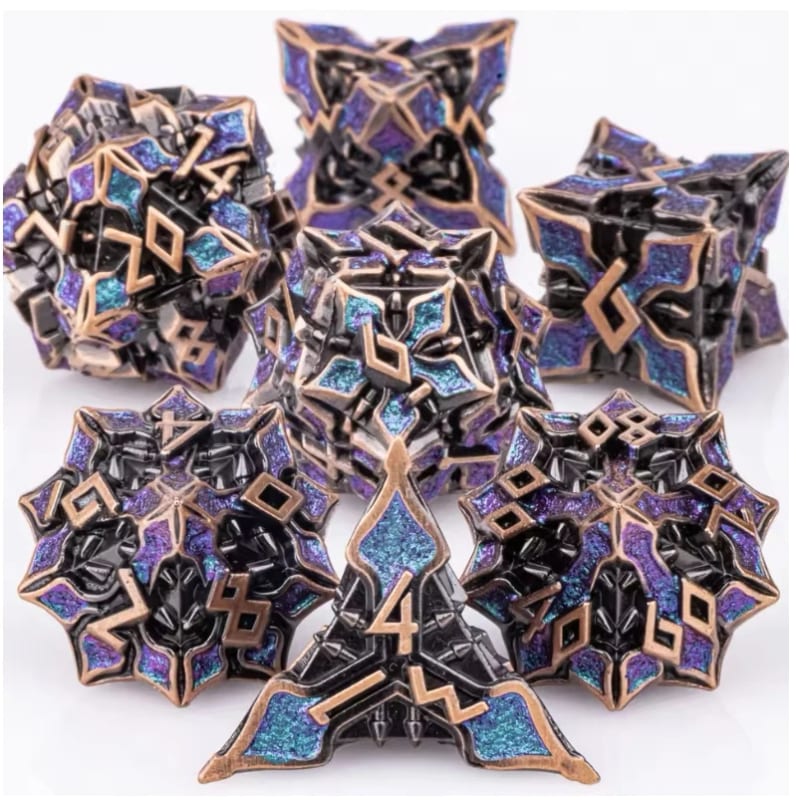
Metal dice are the ones that feel like an occasion. They are heavy, roll a short distance and land with a solid sound. They can dent a wooden table and chip softer dice, so roll them into a tray or onto a mat.
Readability
Beautiful dice are not always readable dice. Check:
- Contrast between numbers and faces. Dark numbers on dark dice disappear in dim light.
- Number size, especially on the d4 and the percentile die.
- Openwork and sculpted dice — numbers inside cutouts can be harder to read at a glance; look for clear numerals on the d20 above all.
If the dungeon master cannot read your roll from across the table, expect to show every d20.
Size and weight
Standard dice are around 16–20 mm across the d20. Larger dice are easier to read; very large or heavy dice roll less randomly on a small table and are tiring to carry in bulk.
Matching dice to a character
Many players choose dice to suit a character: deep red for a fire sorcerer, green and gold for a druid, black and silver for a rogue, sculpted vines for a ranger. A set picked for a character becomes part of them — and retiring the set when the character dies is a tradition at many tables.
Are my dice fair?
No dice are perfectly balanced, but most are more than fair enough for a game. If a die seems cursed:
- The saltwater test (for resin and acrylic dice): float the die in water with enough salt to make it bob, spin it a few times, and see whether the same number keeps floating up. Not for metal dice.
- Roll it a hundred times and tally the results. Some variation is normal.
Most "cursed" dice are simply remembered for their bad rolls.
Looking after dice
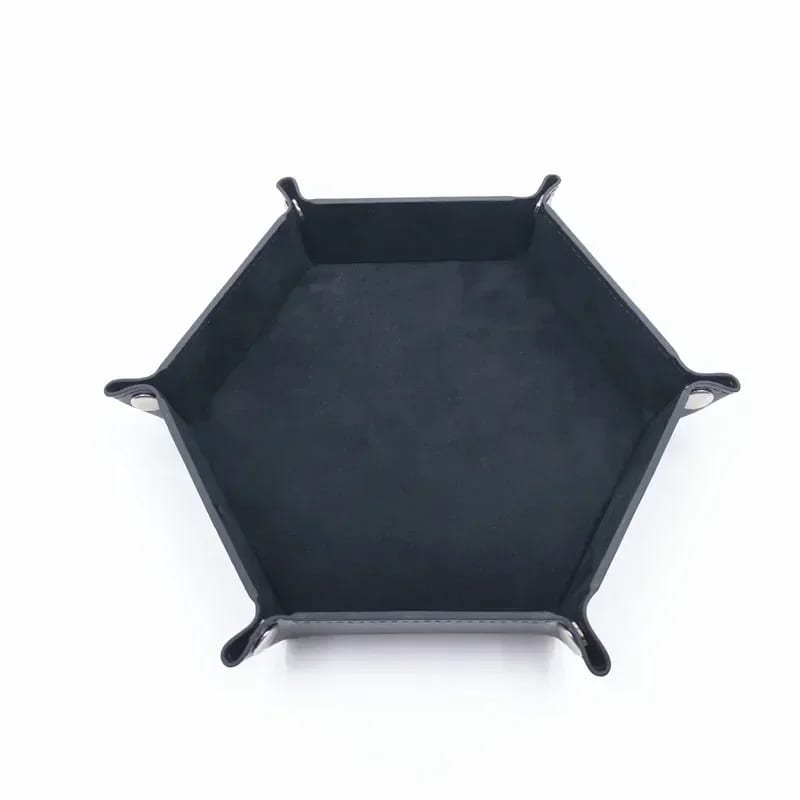
- Roll in a tray — it protects the dice, the table and everyone's patience when dice fly off.
- Store sets in a case or a pouch.
- Keep metal dice apart from resin, so they don't chip each other.
Dice as a gift
A good set of dice is one of the safest gifts for a roleplayer: everyone uses them, nobody ever has too many, and a metal set in a proper box feels far more special than its size. More gifts for dungeon masters.